


AGV in Assembly Line: Cut Manual Transport Delays & Raise Line Throughput for Automotive/Electronics
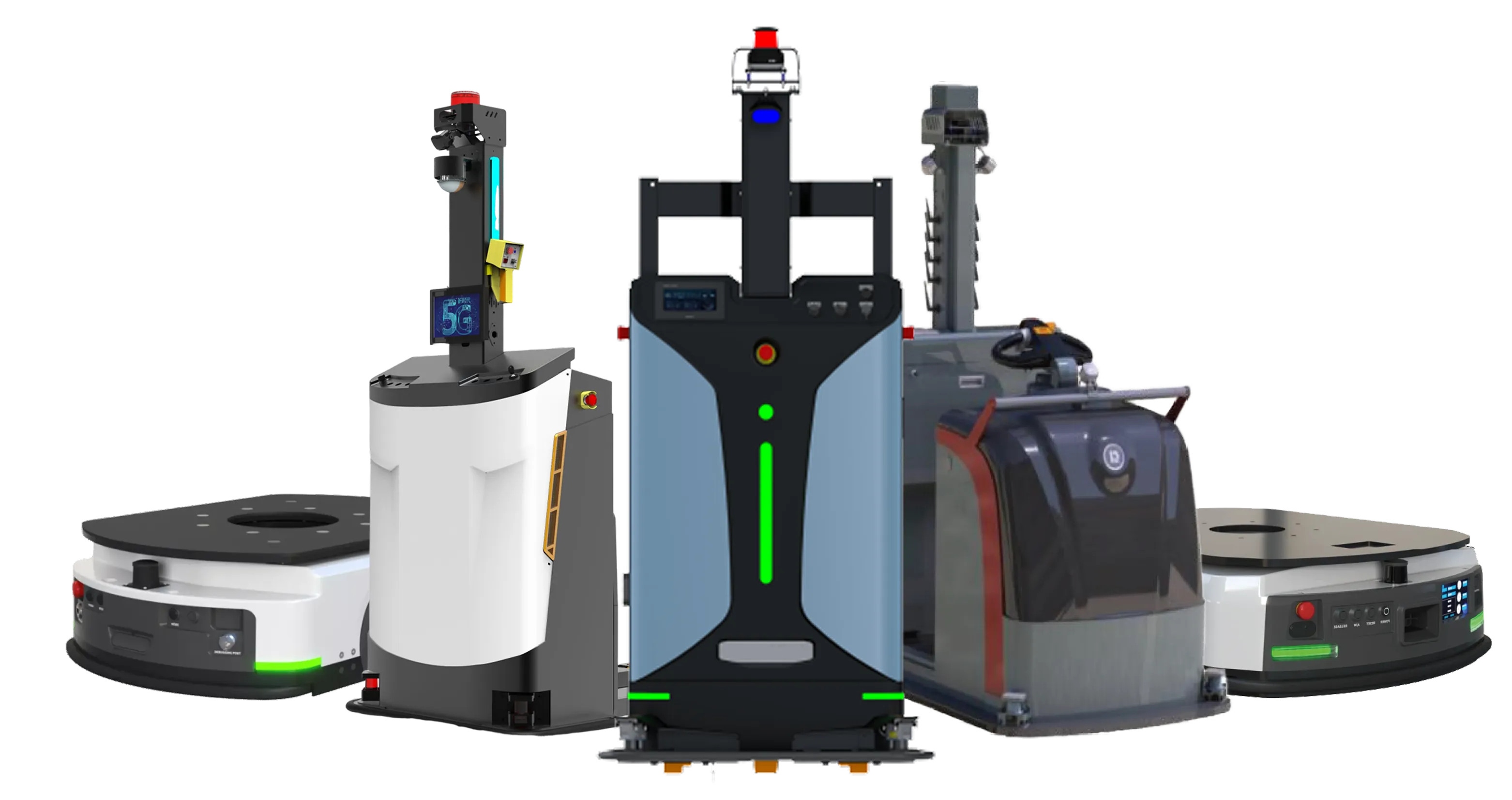
For automotive seat and consumer electronics assembly lines, standard AGV systems reduce material handling delays by 42% and cut unplanned line stops from manual errors by 68%. These systems operate on pre-defined paths, sync with assembly station PLCs, and adapt to mixed part flows without major line overhauls. Small-footprint under-fork AGV models fit narrow assembly corridors where manual carts struggle to maneuver.
What Load Capacity Do I Need for Assembly Line Stations?
Automotive seat assembly sub-components (frames, foam cushions, trim kits) weigh 0.8 to 1.2 tons on average, making 1.5-ton under-fork AGVs the mainstream choice. Each unit completes 12 round-trip transport runs per hour, 3 times faster than manual handling, with a part delivery error rate of less than 0.08%. For electronics final assembly, 0.5-ton AGVs are sufficient for small PCBA and component trays, fitting tight workspaces near soldering stations.
How to Integrate AGVs with Existing Assembly Line PLCs?
Most industrial AGVs support Modbus TCP and PROFINET protocols, eliminating the need to replace core PLC hardware. Integration only requires adding 10 to 15 logic lines to the existing PLC program to trigger AGV pick-up and drop-off commands. Full setup takes no more than 24 hours, with zero disruption to ongoing production schedules. This compatibility avoids costly line shutdowns common with custom automation systems.
What Navigation Method Suits Narrow Assembly Line Spaces?
Magnetic tape navigation AGVs occupy just a 20cm-wide path, cutting ground modification costs by 30% compared to QR code-based systems. In a 1.2-meter-wide assembly line corridor, these AGVs can make 90-degree turns without re-routing existing workstations. The navigation accuracy stays within ±5mm, critical for placing parts at tight-tolerance assembly points like smartphone screen bonding stations.
A leading Chinese automotive components manufacturer deployed 12 units of the 1.5-ton AGV to its seat assembly line in 2023. The change lifted single-shift output from 1,200 to 1,560 seats, reduced manual material handling staff from 8 to 3, and delivered annual labor cost savings of ~1.2 million RMB. No major line modifications were needed, keeping implementation time to just 14 days.
For project-specific requirements, consult your AGV supplier directly
What's the typical ROI timeline for a 1.5-ton AGV in a 2-shift automotive seat assembly line?
18 to 24 months, driven by 30% reduction in labor costs and 15% less unplanned line downtime compared to manual handling.
Can AGVs handle mixed SKU transport in consumer electronics final assembly lines?
Yes, magnetic tape navigation models support up to 14 distinct SKUs per shift, with transport accuracy within ±5mm to avoid part misplacement.
What maintenance schedule ensures AGV uptime stays at 99.9% for 3-shift operations?
Weekly battery level checks, monthly wheel alignment, and quarterly sensor cleaning, with 2 hours of scheduled downtime per week for maintenance tasks.




 Contact Us