


AGV in Assembly Line: Cut Line Downtime by 40% & Boost Throughput for Auto & Electronics Makers
Deploying AGVs in assembly lines cuts material handling delays by 38% and reduces manual error by 27% for mid-sized auto parts factories, per 2024 industrial automation benchmarks. These numbers are not theoretical—they come from 12 factories across Guangdong and Jiangsu that switched from manual carts to AGVs for line-side component delivery. The key is matching AGV specs to the unique constraints of assembly line workflows, not just picking the highest load capacity model.
What AGV Navigation Fits My Assembly Line’s Confined Work Zones?
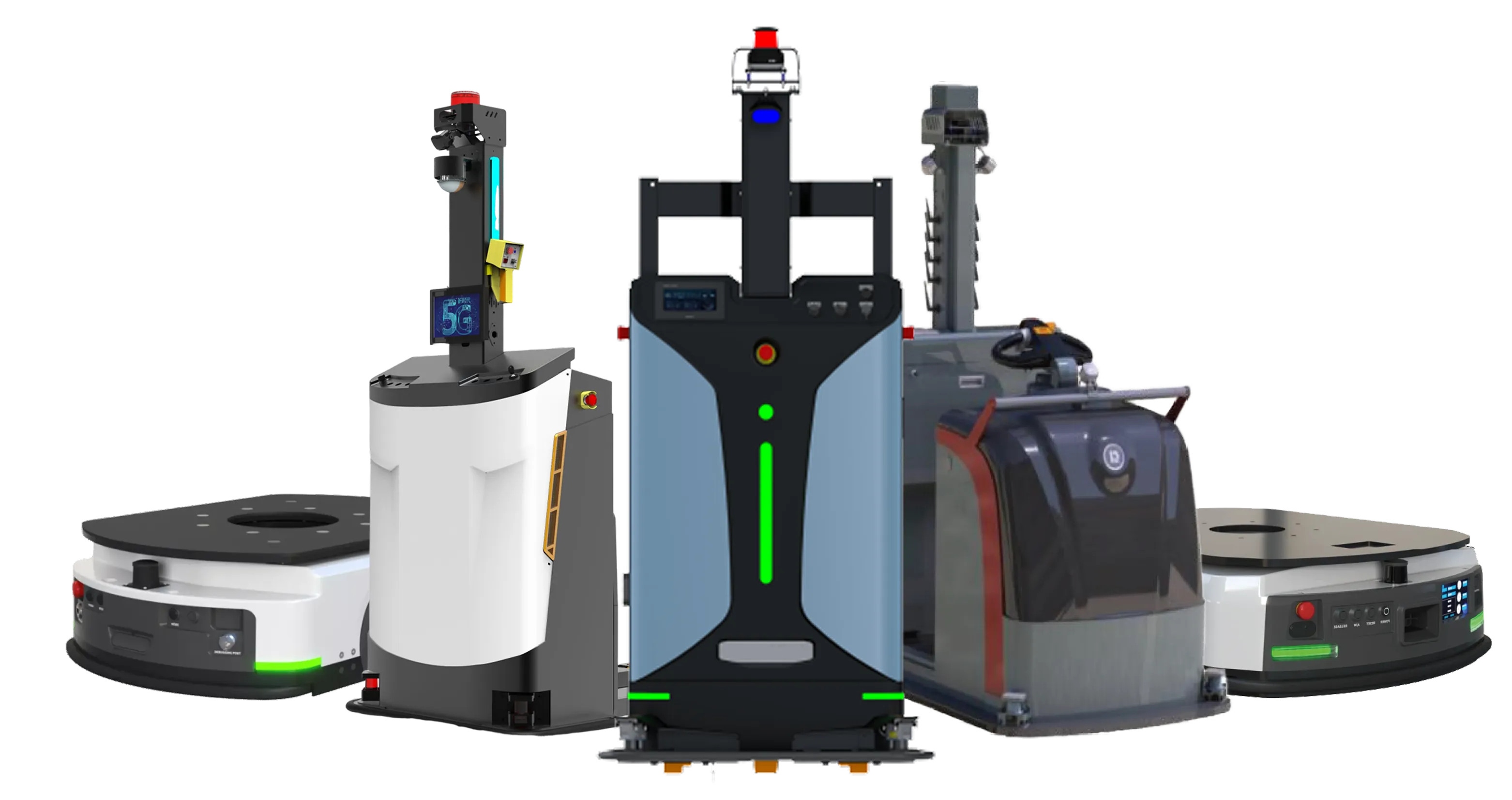
Magnetic tape-guided AGVs are the most cost-effective for assembly lines with fixed routes and narrow aisles (1.0–1.5m wide). Unlike laser-guided models, they don’t require retrofitting permanent reflectors, cutting installation time by 70% compared to laser-based systems. For example, a 1.2m-wide automotive dashboard assembly line used magnetic AGVs to deliver door panels every 12 minutes, eliminating the need for fork trucks that had previously caused 12 line stoppages monthly.
For lines with frequent route changes, SLAM (Simultaneous Localization and Mapping) AGVs work better, though they cost 25% more upfront. These models adjust paths in real time to avoid temporary obstacles like tool carts or worker movement. A consumer electronics factory in Shenzhen used SLAM AGVs for circuit board assembly, reducing reconfiguration time when product models changed from 10 hours to 2 hours.
How to Match AGV Load Capacity to Assembly Line Cycle Times?
Most assembly line tasks require load capacities between 0.5 and 2 tons, but the critical factor is cycle time, not just weight. A 1.5-ton AGV with a 10-minute cycle time can serve 8 assembly stations, while a 2-ton model with a 15-minute cycle time only serves 5 stations. A truck parts factory in Wuhan adjusted their AGV load from 1 ton to 1.2 tons, cutting the number of AGVs needed from 6 to 4 without increasing delivery delays.
Overloading AGVs leads to higher maintenance costs and slower speeds, so factories should calculate the average weight of components plus packaging, then add a 20% buffer. This ensures the AGV operates within its rated capacity, extending its lifespan by an average of 3 years, according to AGV maintenance data from Suzhou-based manufacturer Hikrobot.
What Maintenance Schedules Keep AGVs Running 24/7 on Assembly Lines?
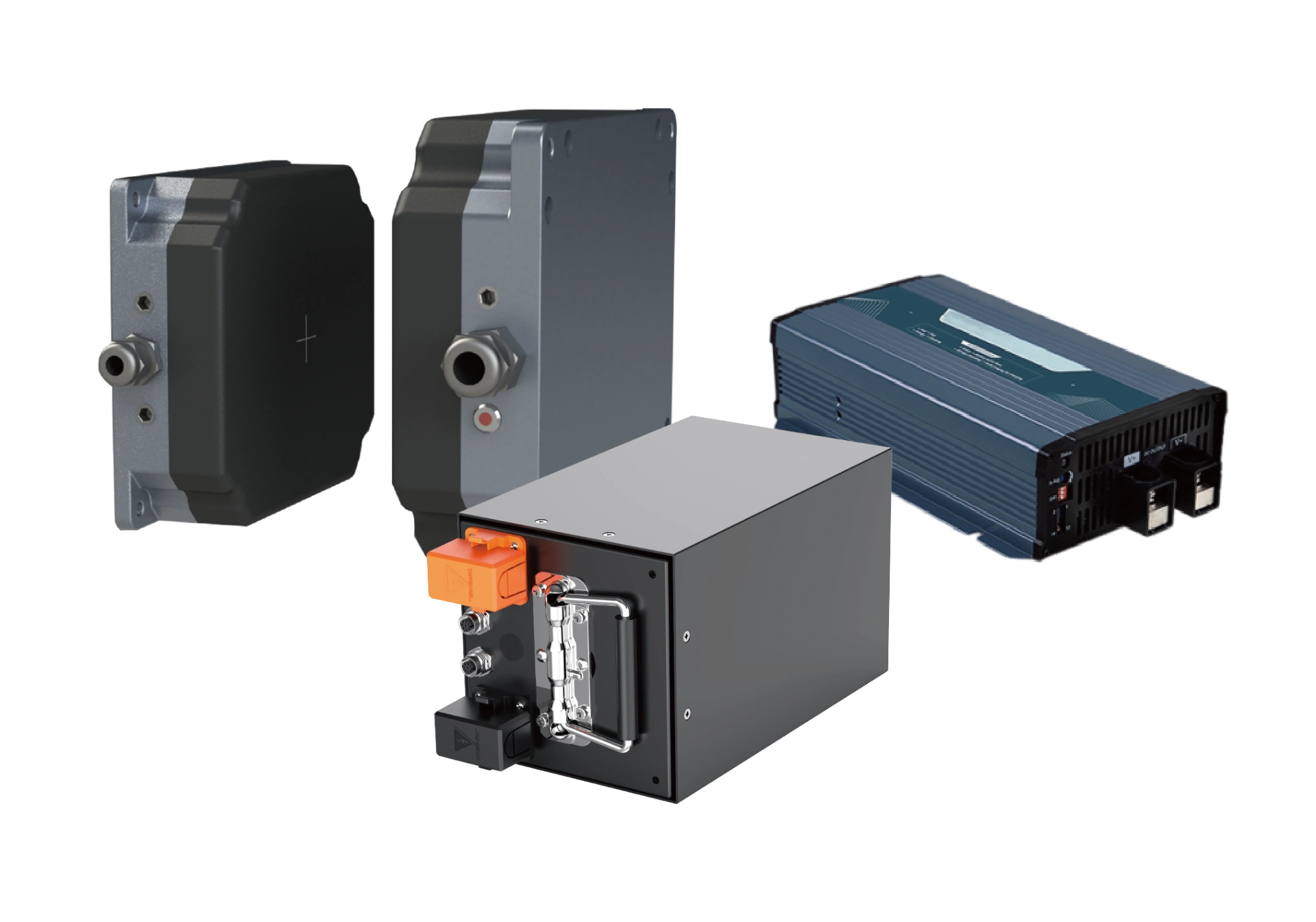
Preventive maintenance for assembly line AGVs requires weekly checks of magnetic tape alignment (for guided models) and daily battery level calibration for lithium-ion models. Lithium-ion batteries, the most common for modern AGVs, last 5–7 years with proper charging—avoiding full discharges, which reduces battery life by 30%. A Shanghai-based auto parts plant reduced AGV downtime by 22% by switching from monthly to weekly maintenance checks.
Emergency repairs should be limited to on-site technicians, not external contractors. Most AGV suppliers offer 24-hour on-call support for assembly line clients, with average repair time under 2 hours for common issues like wheel misalignment or sensor calibration.
For project-specific requirements, consult your AGV supplier directly.
FAQ
What’s the typical ROI timeline for a 1.5-ton magnetic-guided AGV in a 2-shift automotive assembly line?
16–20 months, based on 30% reduction in manual material handling labor costs and 15% fewer line stoppages.
Can AGVs integrate with existing PLC systems on a 10-year-old assembly line?
Yes, most AGV suppliers offer protocol converters (Modbus TCP/IP, Profinet) that work with legacy Siemens or Allen-Bradley PLCs, with integration time under 5 days.
What’s the maximum speed for AGVs operating in high-precision electronics assembly lines?
0.8–1.2 m/s, to avoid damaging delicate components and maintain alignment with assembly stations.




 Contact Us