


AGV For Material Handling: Cut Labor Costs & Boost Throughput For Warehouse & Manufacturing
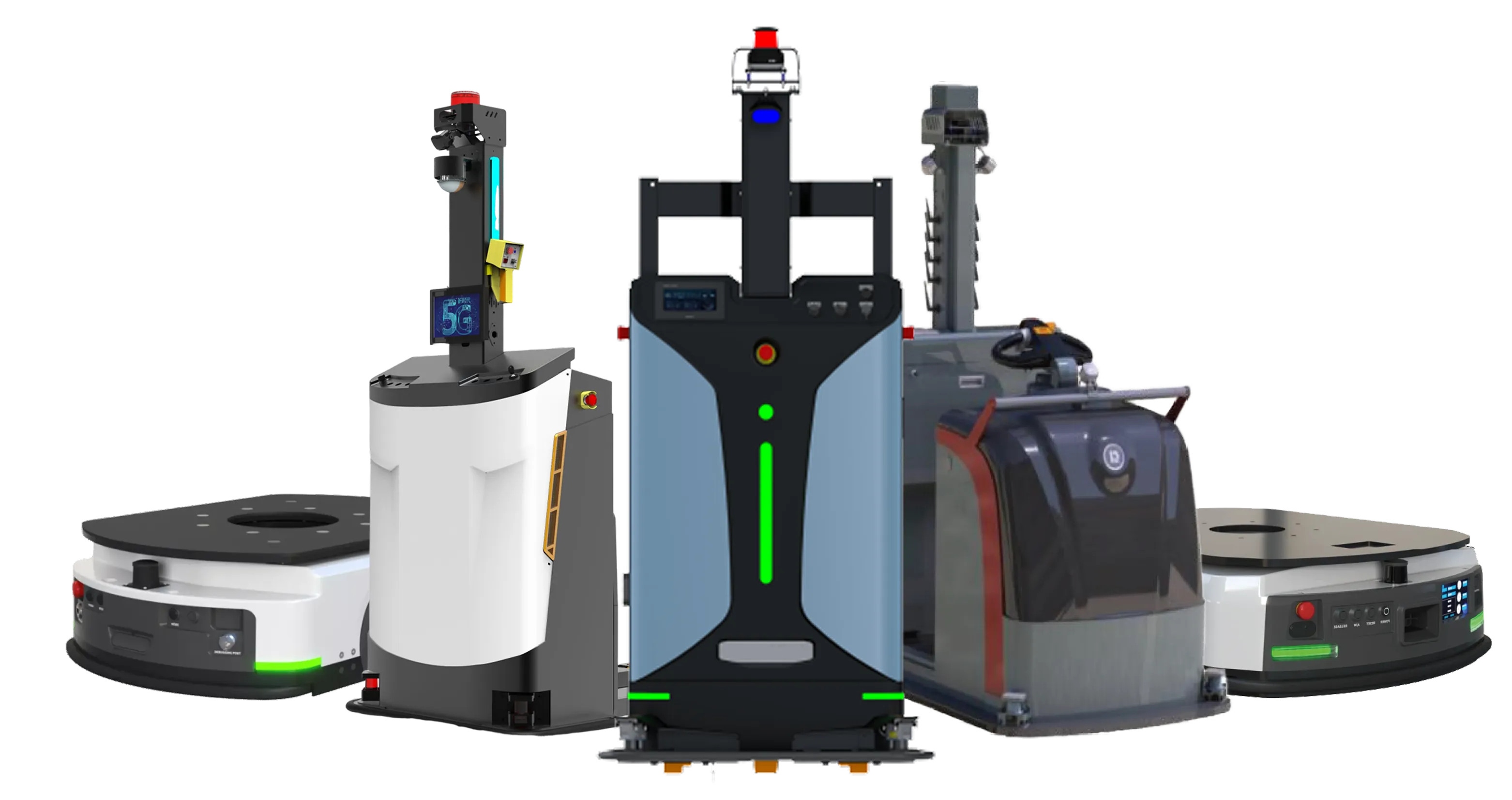
Material handling AGVs reduce manual transport errors by 85% and cut labor costs by 40% for 2-shift automotive manufacturing lines, per 2024 Industrial Automation Association field data. These autonomous units eliminate repetitive, high-risk tasks like heavy load movement, making them a core upgrade for facilities struggling with labor shortages or low throughput.
What Load Sizes & Weights Are Common For Material Handling AGVs?
Load capacities range from 100kg for semiconductor wafer carriers to 10 tons for heavy metal ingot transport, with most warehouse applications using 500kg to 2.5-ton models. A Tier 1 automotive parts supplier deployed six 2.5-ton AGVs in 2023, replacing 12 manual material handlers and cutting line downtime from load misplacement by 92%. These units handle standard euro pallets and custom load frames, adapting to production line layouts without modifying fixed infrastructure.How Do Material Handling AGVs Integrate With Existing Warehouse Management Systems?
Laser-based navigation systems eliminate the need for floor wires, magnets, or tape, cutting deployment time to 3 days for small to mid-sized facilities. Most models natively integrate with SAP EWM, Manhattan Associates, and Oracle WMS, syncing real-time load requests and delivery timelines without custom coding. A 3PL provider in the Midwest used this integration to align AGV routes with peak order hours, boosting order fulfillment speed by 28% in its 2-shift distribution center.What Safety Features Are Non-Negotiable For High-Volume Material Handling?
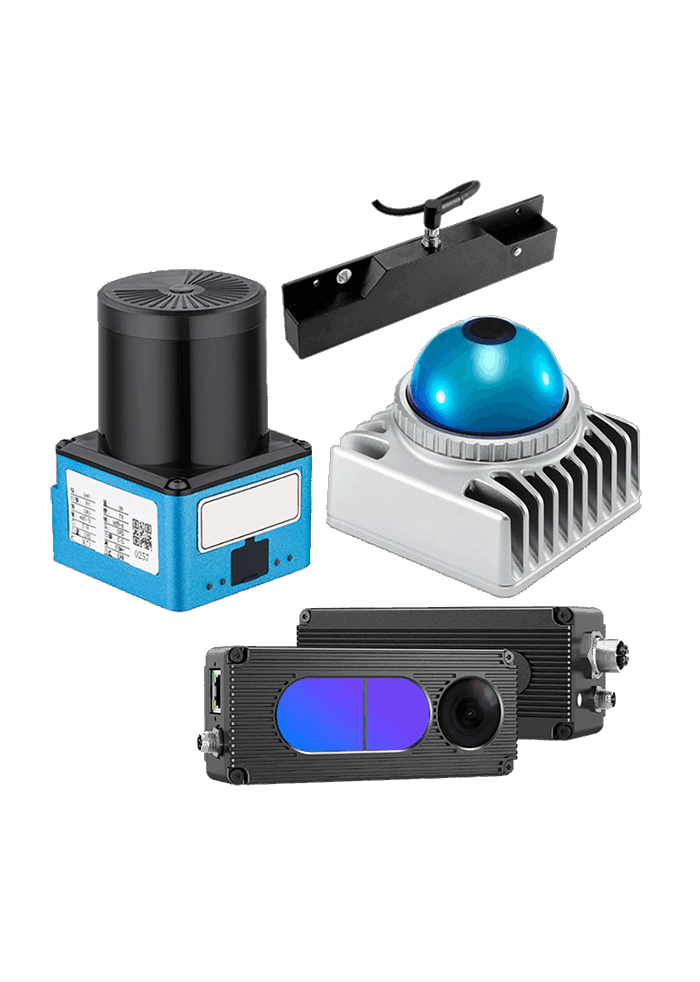
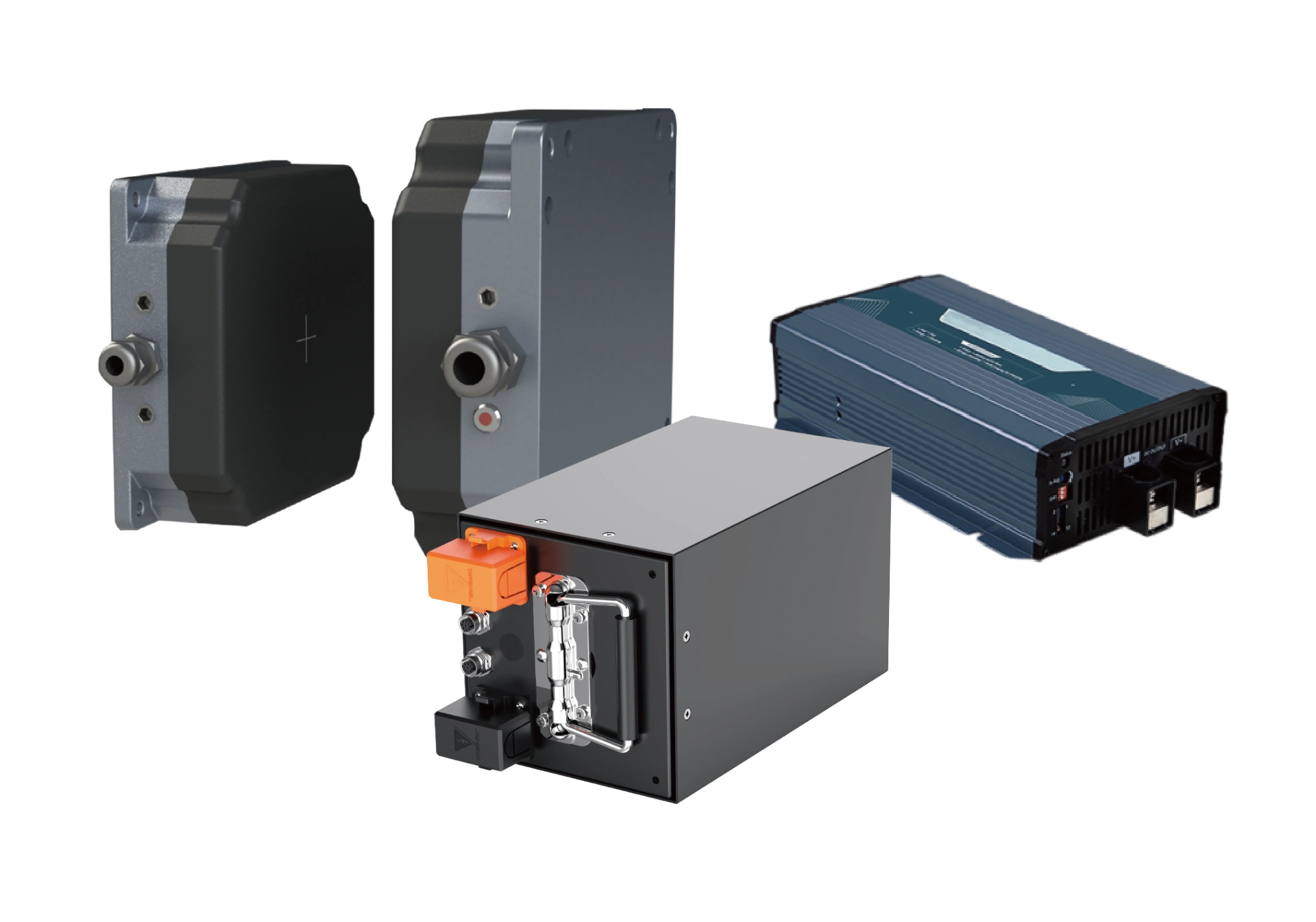
All compliant units meet ISO 3691-4 safety standards, with 360° laser obstacle detection that stops movement within 0.2 seconds of detecting a person or object. For cold storage applications, AGVs include insulated battery packs and temperature-resistant sensors to operate in -20°C environments without performance loss. A food processing plant reduced material handling accidents to zero after switching to these AGVs, compared to 3 minor incidents monthly with manual forklifts.For facilities looking to scale material handling efficiency, AGVs deliver measurable returns without overhauls to existing operations. For project-specific requirements, consult your AGV supplier directly.
What’s the typical ROI timeline for a 2-ton material handling AGV in a 3-shift warehouse?
18 to 24 months, based on average annual labor cost savings of $12,000 per AGV and no additional infrastructure costs for laser-guided models.
How much clear floor space do material handling AGVs need for operation?
2.5 to 3 meters of single-lane width, plus 1.5 meters of clearance for turning, reducing required floor footprint by 30% vs manual forklift paths.
Can material handling AGVs handle non-palletized, irregularly shaped loads?
Yes, up to 10% deviation from standard load dimensions, with custom fork or clamp attachments tested for 200+ load types across manufacturing lines.




 Contact Us