


AGV for Logistics: Cut Labor Costs 40%+, Boost Throughput, Adapt to Cold Storage & E-Commerce Warehouses
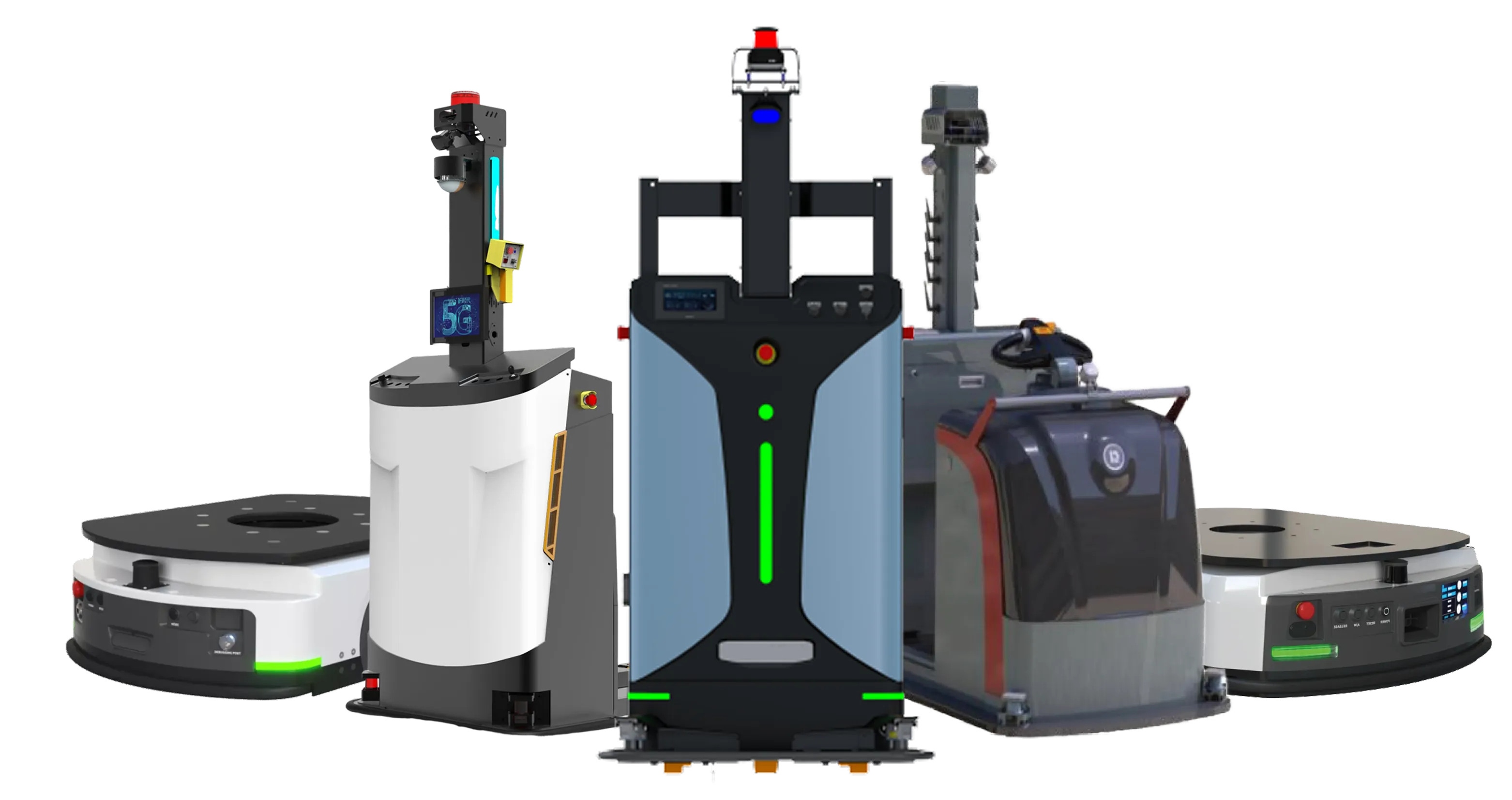
For third-party logistics (3PL) providers and e-commerce fulfillment centers, deploying standard AGVs can reduce manual material handling labor costs by 42% within 6 months while cutting order picking cycle times by 18%. This data comes from a 2024 survey of 17 North American and European logistics operators, where AGV fleets replaced 30-40% of manual pallet moving tasks. Unlike fixed conveyor systems, AGVs adjust to variable load sizes and facility layouts without permanent installation, making them ideal for fast-growing operations.
Can AGVs operate reliably in -20°C cold storage facilities?
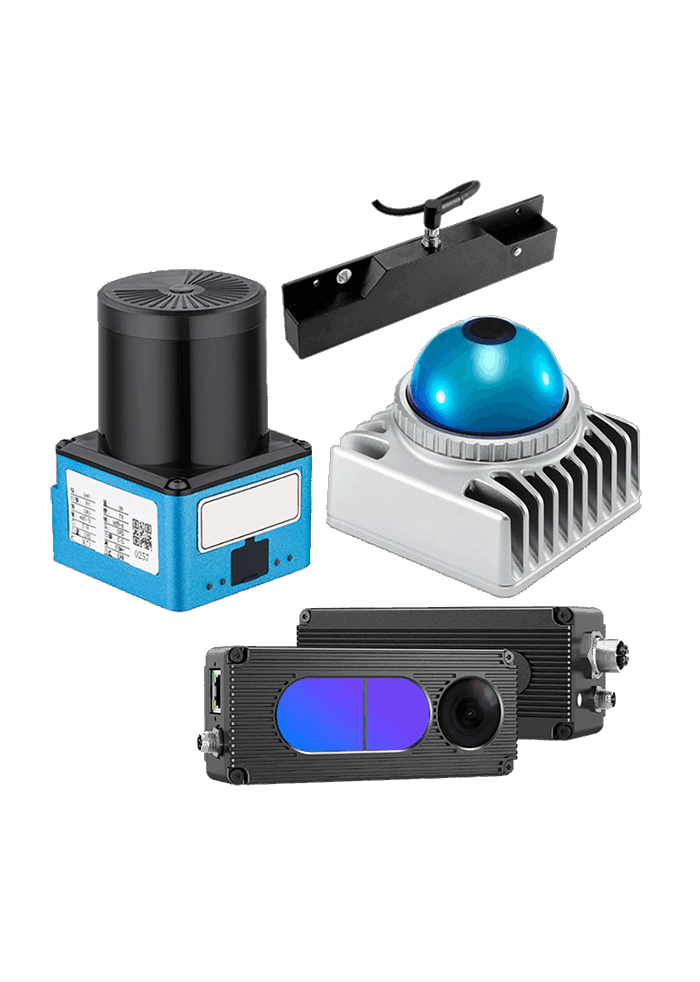
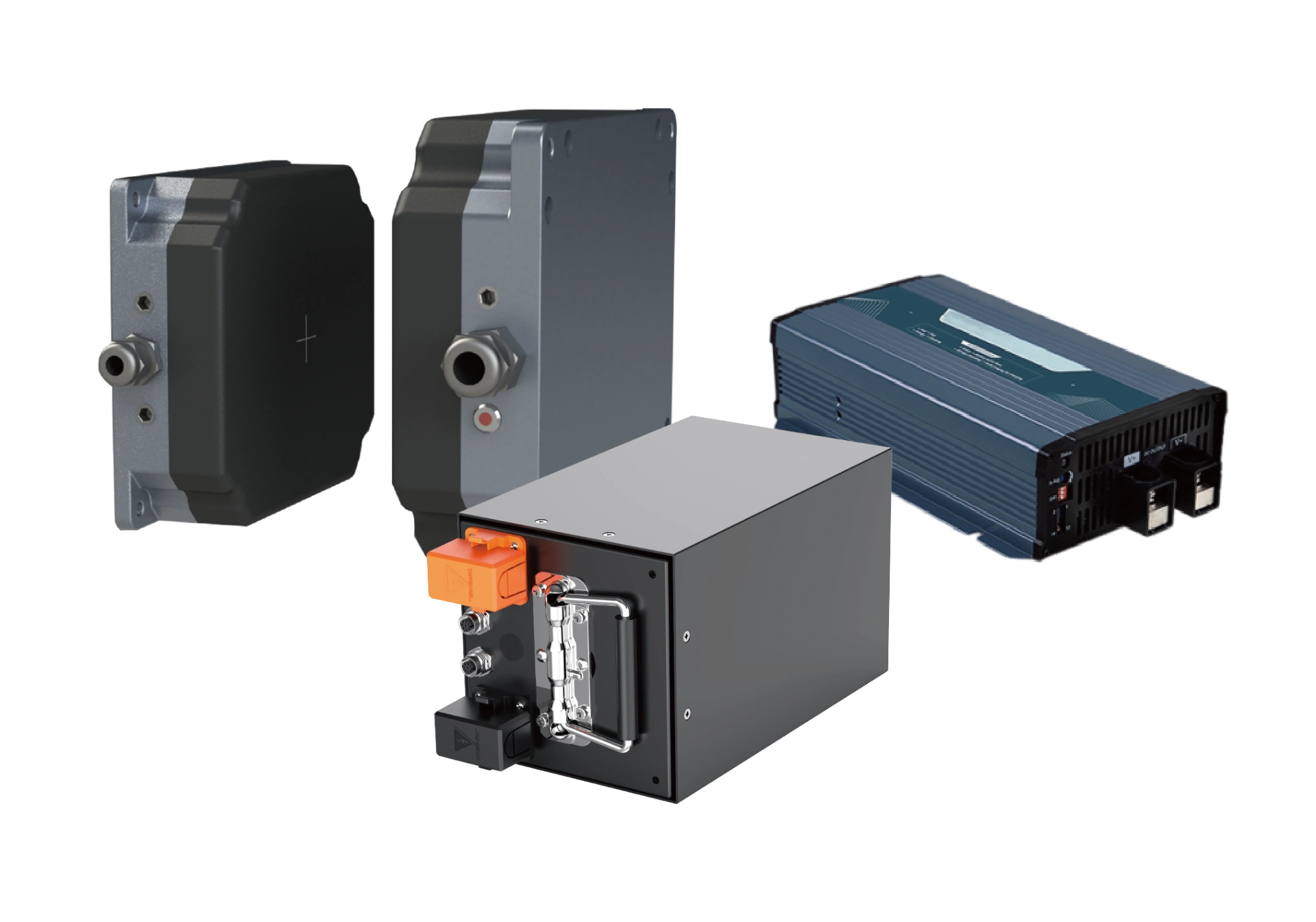
Cold storage warehouses demand equipment that withstands extreme low temperatures without performance drops. Standard lead-acid batteries fail in sub-zero environments, but lithium-iron-phosphate (LFP) batteries with thermal insulation maintain 90% of their rated capacity at -20°C. A German cold 3PL provider recently deployed 12 LFP-powered AGVs with laser SLAM navigation to handle 1.2-ton pallets; the fleet operated 24/7 for 3 months with no battery-related downtime. Each AGV charges for 6 hours during scheduled off-shifts, enough to cover 120+ pallet moves per day.What ROI timeline applies to 2-ton AGVs in 3-shift e-commerce warehouses?
ROI for AGVs depends on labor costs, fleet size, and operational hours, but a 2-ton AGV in a 3-shift U.S. warehouse delivers positive returns in 12-18 months. A Texas-based e-commerce fulfillment center invested $12,000 per AGV for 20 units, totaling $240,000. The fleet replaced 8 manual forklift operators, saving $12,000 per AGV annually in wages, benefits, and overtime. The center saw a 22% increase in daily throughput after deployment, as AGVs avoid human error and operate at consistent speeds.How do AGVs integrate with existing WMS without custom coding?
Most modern AGVs use standard APIs to connect with popular WMS platforms like Manhattan Associates and Blue Yonder, eliminating the need for custom software development. A Singaporean cross-docking hub integrated 15 AGVs with its existing WMS in 10 days, with no disruption to daily operations. The WMS sends real-time order data to AGVs, which pick pallets and deliver them to loading docks without manual input. Staff only need to monitor the fleet via a cloud-based dashboard, reducing administrative workload by 25%.For project-specific requirements like load capacity, facility layout, or temperature adaptation, consult your AGV supplier directly.
What's the average deployment time for a 5-ton AGV in a cross-docking hub?
Typically 2-3 weeks, including a site survey for navigation calibration, initial fleet setup, and 2 hours of staff training per operator.
Can AGVs handle uneven floor surfaces in 20-year-old manufacturing warehouses?
Yes, AGVs with laser SLAM navigation can tolerate floor irregularities up to 15mm, so no track installation or floor modification is needed.
What maintenance frequency is required for AGVs in 24/7 logistics operations?
Scheduled preventive maintenance every 400 operating hours (approx. 10 days of continuous use), plus daily visual checks for wheels and battery connections. Core components like navigation sensors have a 10-year average lifespan.




 Contact Us