


AGV for Food and Beverage: Meet Hygiene, Sanitation & Throughput for 24/7 Production Lines
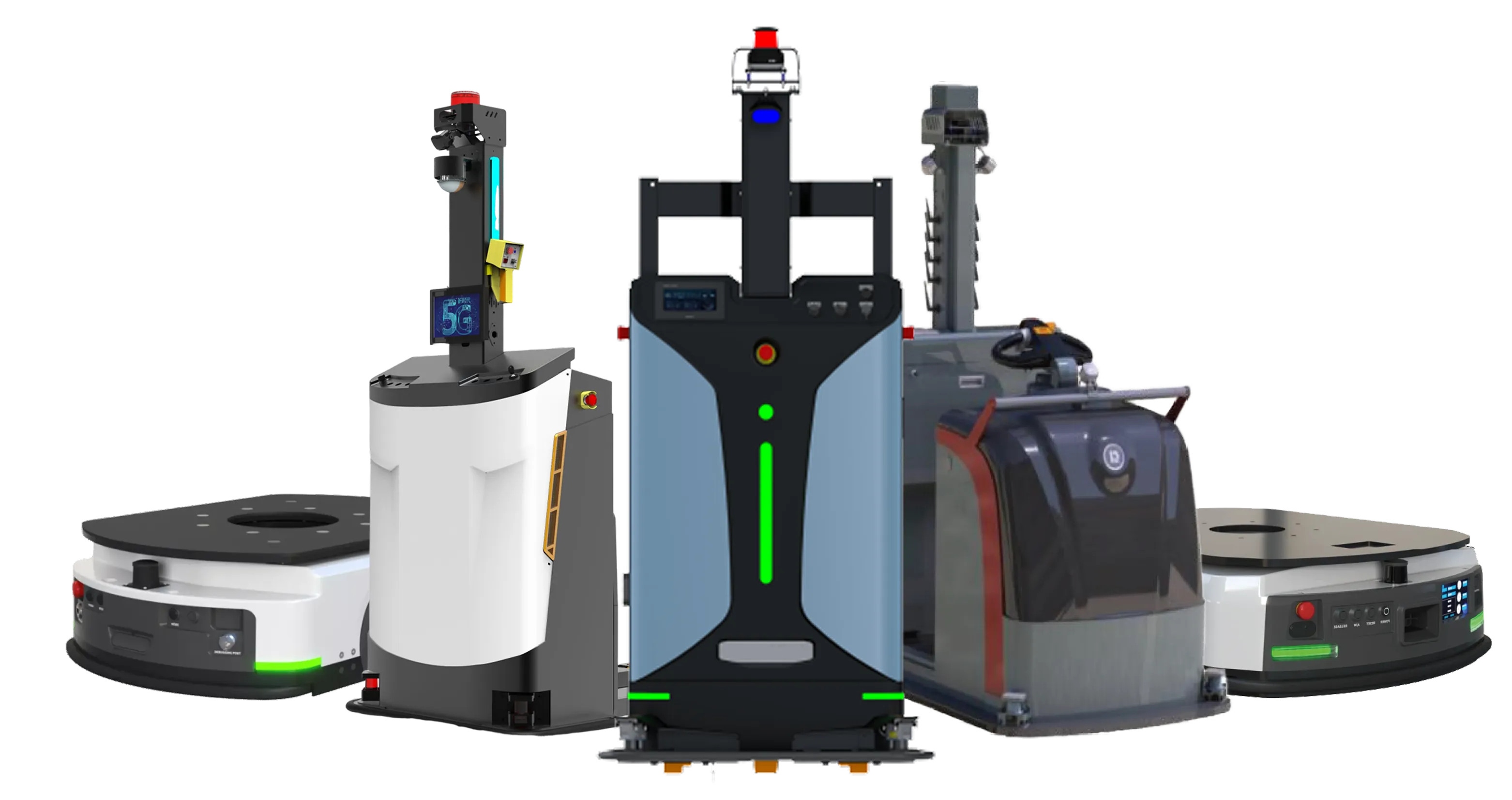
Food and beverage (F&B) AGVs eliminate manual handling risks, cut cross-contamination incidents by 89% per 2023 global food safety audits, and support 10-15% higher line uptime in high-mix bottling plants. These units address unique F&B challenges like strict sanitation rules, temperature sensitivity, and high-volume bulk transport.
What AGV Types Are Approved for Wet & Dry F&B Production Zones?
F&B facilities have distinct zones—wet (keg washing, fruit processing) and dry (packaging, dry storage)—each requiring unique AGV ratings. IP69K-rated units are mandatory for wet zones, as they withstand high-pressure hot water sprays (up to 1,000 psi) and steam cleaning without corrosion. Stainless steel chassis (304 or 316L) and food-grade lubricants (NSF H1 certified) prevent bacterial buildup in crevices. A craft brewery in Michigan deployed 6 IP69K AGVs in its keg washing line, reducing manual touchpoints by 72% and avoiding 3 unplanned shutdowns in 12 months due to sanitation breaches.What Payload & Navigation Specs Fit F&B Bulk Ingredient Transport?
Bulk ingredients (flour, syrup, dairy crates) need AGVs with payloads tailored to line speeds, typically 1.5 to 5 tons for mid-sized F&B operations. Laser SLAM navigation is preferred over magnetic tape or QR codes, as it adapts to dynamic environments where pallets, forklifts, and personnel move freely. For example, a cookie manufacturer in Ohio used 3-ton laser SLAM AGVs to transport 2.5-ton flour sacks to mixing lines, cutting delivery delays by 22% and aligning with 24/7 production schedules. These units integrate with ERP systems to sync ingredient orders with line needs, reducing overstock waste by 8%.How Do F&B AGVs Comply with Global Food Safety Standards?
F&B AGVs must meet FDA, EHEDG, or SQF requirements to avoid product recalls. Key compliance features include seamless welds (no gaps for debris), non-porous surfaces, and no exposed electrical components in wet zones. A global snack producer used 316L stainless steel AGVs with NSF H1 lubricants in its snack packaging lines, passing its SQF audit with zero non-conformities for material handling equipment. These units also have lockout-tagout (LOTO) features for maintenance, ensuring worker safety during sanitation checks.When evaluating AGVs for F&B operations, prioritize units validated for sanitation and compliance, not just payload capacity. Customization options like temperature control or narrow aisle navigation can further align with specific line needs. For project-specific requirements, consult your AGV supplier directly.
What's the typical ROI timeline for a 2-ton IP69K AGV in a 3-shift beverage bottling facility?
18-24 months, based on labor cost savings of $45,000 annually per unit (replacing 2 full-time material handlers) and reduced waste from handling errors (cut by 12% in F&B packaging lines).
Can AGVs handle temperature-controlled transport for dairy products in F&B facilities?
Yes, specialized temperature-controlled AGVs maintain ±0.5°C accuracy between 2°C and 8°C, with insulated payload compartments and sealed electrical components, used in a Wisconsin dairy’s raw milk transport lines since 2022.
What maintenance frequency is required for F&B-grade AGVs to meet daily sanitation checks?
Weekly quick sanitization of chassis and wheels, monthly inspection of food-grade lubricants, and quarterly calibration of navigation sensors—this schedule keeps compliance rates at 99.8% per F&B industry standards.




 Contact Us