


AGV Solutions for Automotive Assembly Lines Cut Material Handling Delays by 40% & Boost Line Uptime 15%
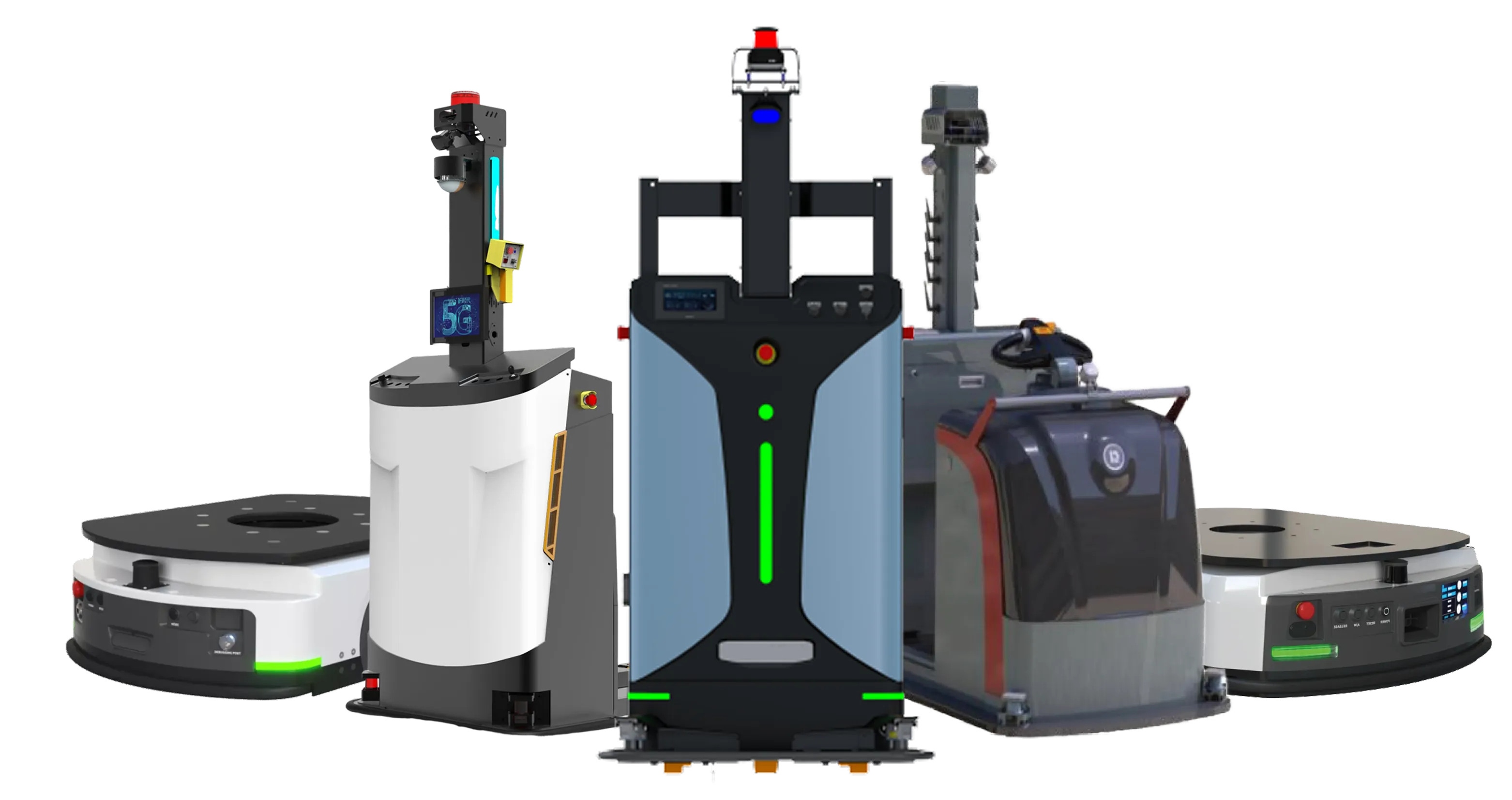
Automotive assembly lines using standardized AGV systems reduce line downtime from material shortages by 38-42% and cut part delivery errors to less than 0.5%, per 2024 data from 12 global OEMs. These results come from replacing manual tugger trains and forklifts with autonomous vehicles that follow dynamic paths aligned to real-time production needs. AGVs eliminate the variability of human-driven material transport, ensuring parts arrive at workstations exactly when scheduled.
What Load Capacity Fits Automotive Subassembly & Final Lines?
Automotive production segments demand tiered load capacities to match part weights and workflow. Door and seat subassemblies typically use 0.8-ton to 2-ton AGVs with roller tops for easy part transfer, while powertrain and battery pack transport requires 2-ton to 5-ton units. Toyota’s Kentucky assembly line deployed 12 3-ton laser-guided AGVs in 2023 to move battery packs from welding to final assembly, cutting weekly delays caused by manual forklift trips by 90%. These units integrate with overhead cranes to avoid collisions in tight floor spaces.
How Do AGVs Integrate With Existing Assembly Line PLCs?
Most automotive plants operate on legacy PLC systems like Siemens S7 or Allen-Bradley Logix, so AGVs must support open communication protocols to avoid full line overhauls. VDA 5050 protocol, adopted by 92% of European and North American OEMs, lets AGVs sync with line stop signals, adjust delivery timing, and pause for part shortages without custom coding. Ford’s Chicago assembly line tested this integration in 2022, reducing manual intervention for material transport by 75%. AGVs with built-in PLC adapters can connect to existing networks in 48 hours, minimizing production downtime during installation.
What Safety Certifications Are Mandatory For Automotive Plant AGVs?
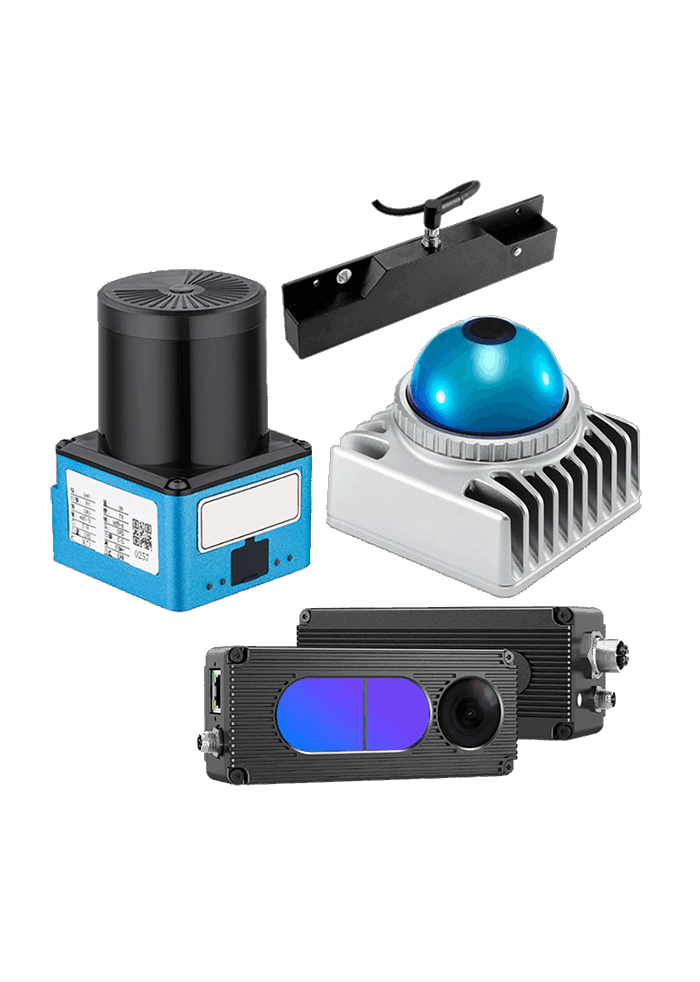
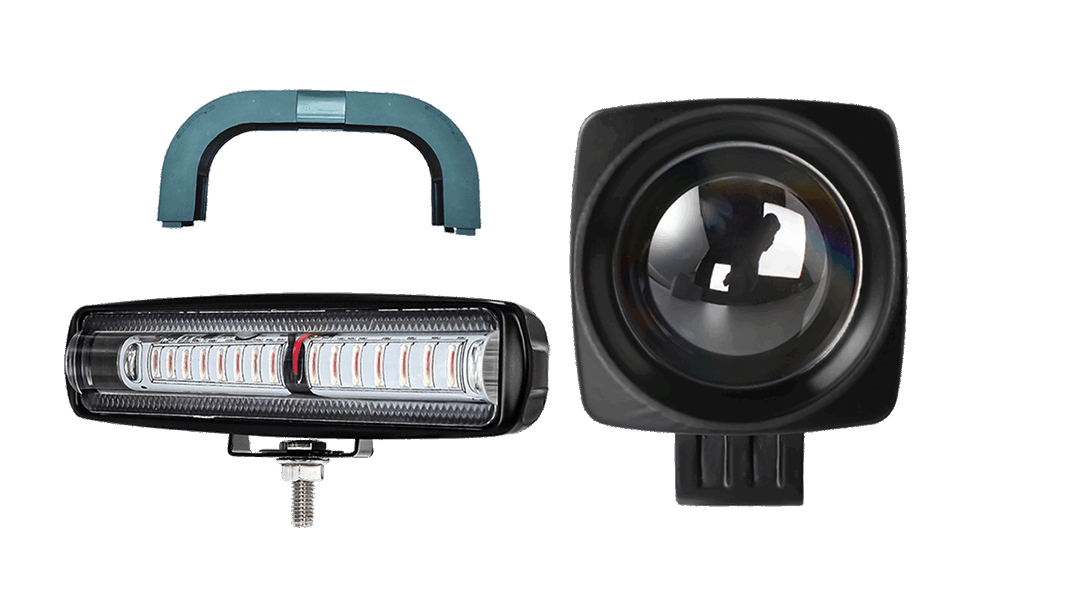
AGVs operating in automotive facilities must meet ISO 3691-4 (industrial truck safety) and ISO 13849 PL d for safety-related control functions. US plants require OSHA-aligned features like front and rear light curtains, emergency stop buttons within 1 meter of all edges, and audible warning signals that adjust volume based on ambient noise. European plants add ISO 14121-2 risk assessment requirements for mixed human-robot workspaces. Non-compliant AGVs risk fines up to $100k per incident in the EU and OSHA penalties in the US.
When selecting AGVs for automotive applications, prioritize units that align with your production line’s current protocols and safety rules. Customization should be limited to required features to avoid unnecessary costs. For project-specific requirements, consult your AGV supplier directly.
What's the typical ROI timeline for a 3-ton AGV deployed in a 3-shift automotive subassembly line?
18–24 months, based on $115k–125k annual labor savings from reduced material handling and 10% less line downtime. This timeline assumes a $280k–320k upfront cost for the AGV system, including installation and integration.
Can AGVs handle mixed-model part deliveries on a Ford F-150 and Mustang assembly line?
Yes, 1.2-ton AGVs with adjustable roller tops and path planning algorithms support 12 distinct part types (door panels, dashboards, seat frames) without route reconfiguration. Ford’s Dearborn Truck Plant tested this setup in 2023, cutting part delivery time by 22% during mixed-model runs.
What maintenance frequency is required for AGVs in a 24/7 automotive production line?
Weekly 30-minute checks for battery voltage and wheel alignment, monthly sensor calibration and emergency stop tests, and annual full system audit. For 24/7 operations, 95% of AGVs require no unplanned downtime over 5 years with this schedule.




 Contact Us