


AGV for Manufacturing: Cut Labor, Boost Throughput, Reduce Downtime
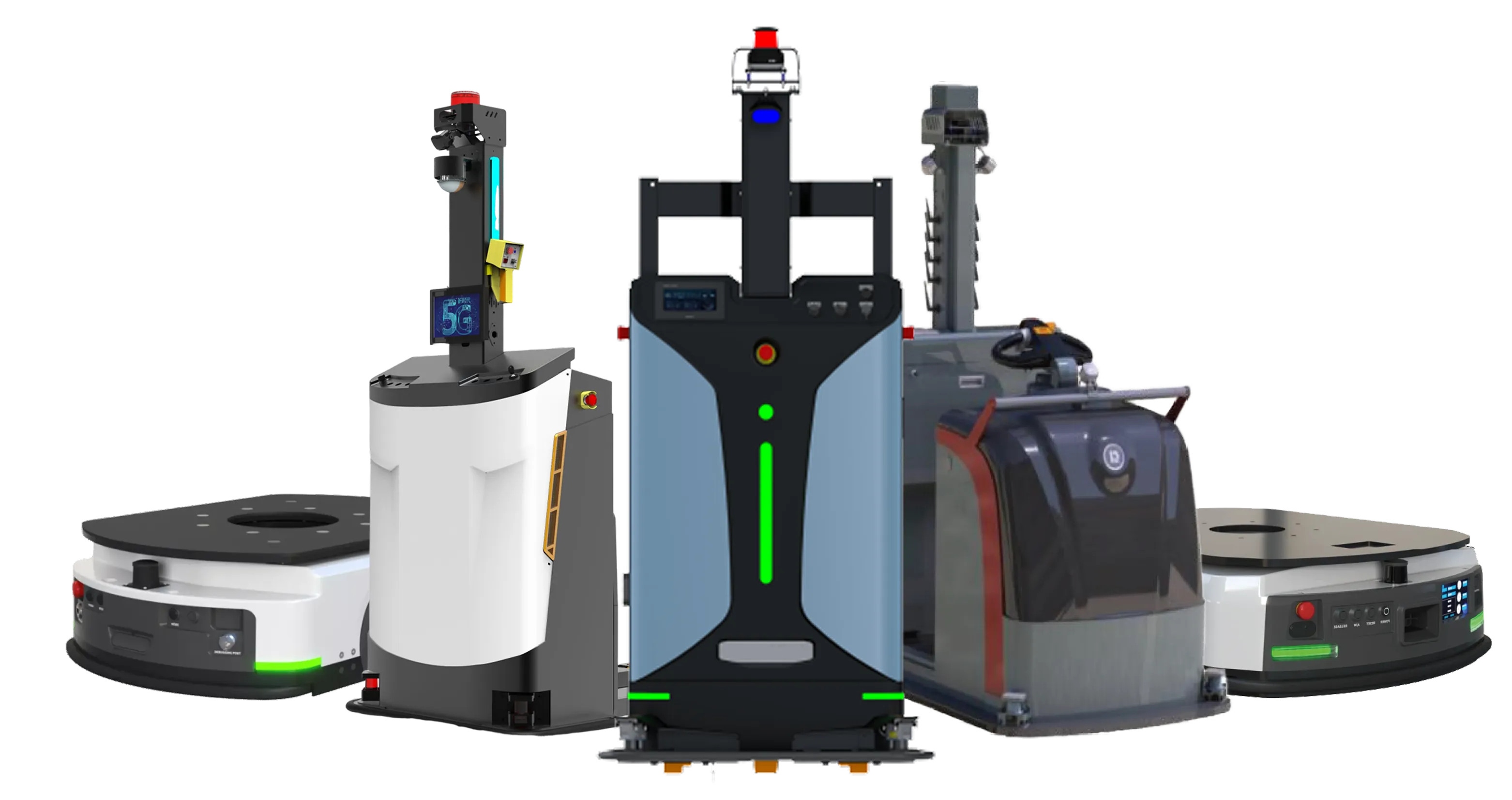
For manufacturing lines handling raw material transfers, work-in-progress (WIP) movement, and finished goods delivery, standardized AGVs cut manual material handling errors by 89% and reduce labor allocation for these tasks by 65% within three months of deployment. This directly addresses two top pain points for plant managers: rising labor costs and unplanned line stops caused by delayed material deliveries. Modular AGVs integrate quickly into existing workflows without full line overhauls, making them accessible for small to mid-sized manufacturing facilities as well as large-scale operations.
What AGV Load Capacity Suits My Assembly Line?
For automotive final assembly lines, a 1.5-ton AGV with a 1200mm x 800mm load deck is standard for moving door panels and seat assemblies between workstations. Smaller lines producing consumer electronics may use 300-kg AGVs with magnetic tape navigation to transfer PCBs without disrupting static-sensitive components. Overloading AGVs beyond their rated capacity (e.g., a 1-ton unit carrying 1.3 tons) increases battery drain by 40% and shortens wheel lifespan by 18 months, per 2023 data from the International AGV Industry Association. These load capacities are calibrated to match standard workstation heights, eliminating manual lifting and reducing worker compensation claims related to material handling by 92% in North American manufacturing facilities.How Do AGVs Integrate With Existing Manufacturing Workflows?
Many manufacturing facilities rely on ERP systems like SAP or Oracle to schedule production steps, and modern AGVs sync with these tools via REST APIs to adjust delivery times in real time. A medical device plant in Berlin uses this integration to route AGVs between sterilization ovens and packaging stations, ensuring sterile WIP arrives within 5 minutes of a workstation’s request. Older lines without digital ERP can use barcode scanners on AGVs to confirm load destinations, eliminating manual check-ins that cause 12% of material handling delays. This flexibility means AGVs don’t require a full line shutdown during installation, keeping production losses to under 2% for most retrofits.What Maintenance Requirements Keep AGVs Running 24/7?
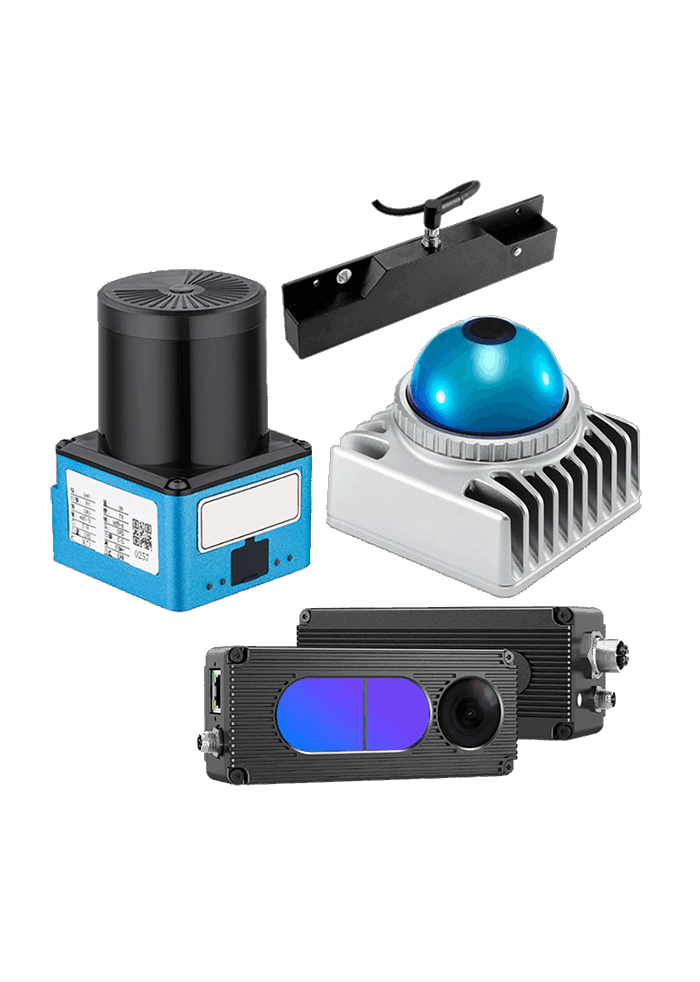
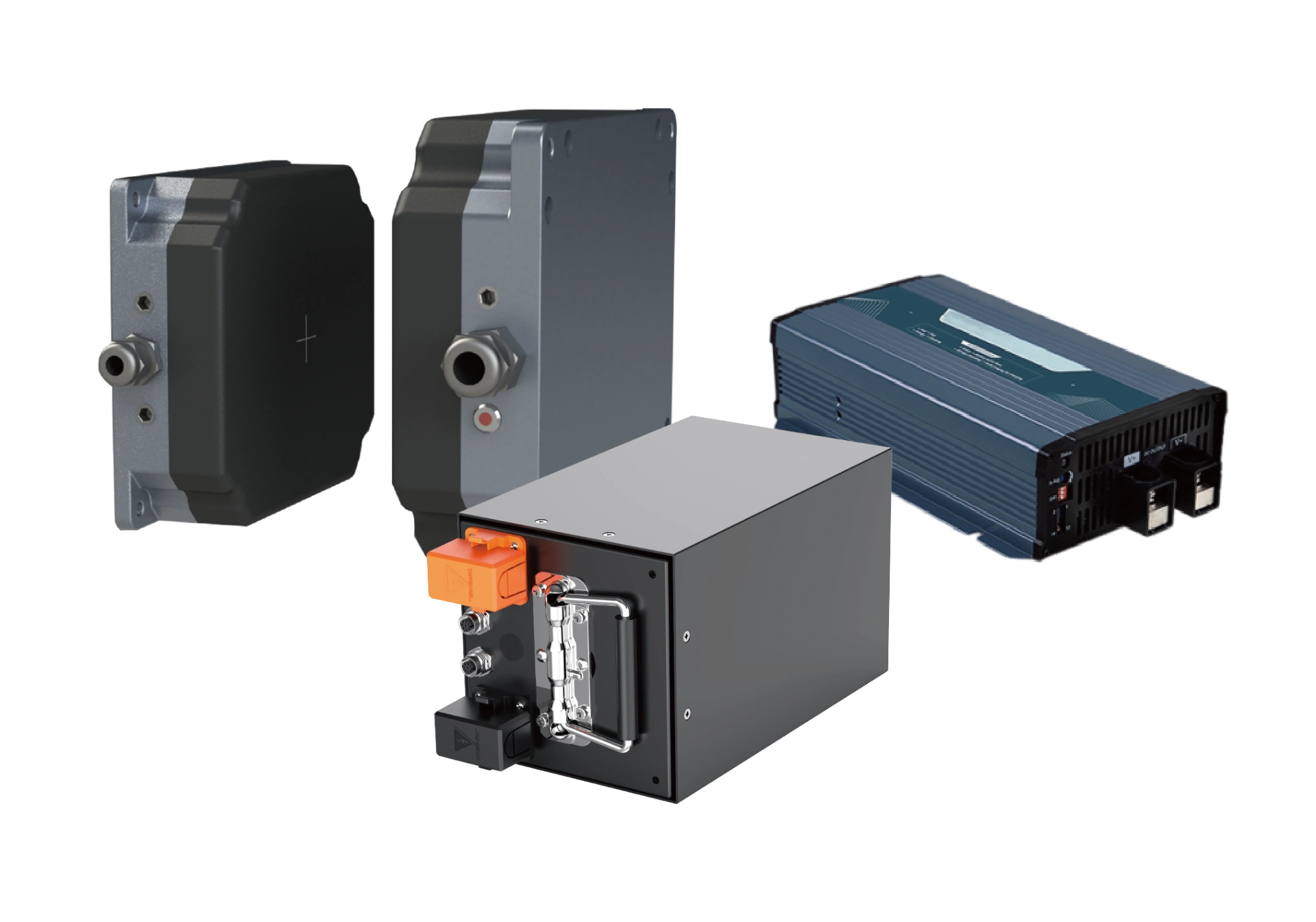
Daily visual checks of AGV safety sensors and navigation tape (if used) take 15 minutes per unit and catch 70% of minor issues before they halt production. Lithium-ion AGV batteries used in automotive plants require a 1-hour weekly capacity test, with a replacement cycle of 5 years under 2-shift operations. Annual calibration of laser-guided navigation systems ensures position accuracy stays within ±5mm, critical for lines where parts fit within 0.1mm tolerances. For 24/7 operations, backup AGVs should be kept on-site, with a 30-minute swap time to minimize downtime if a unit requires unscheduled service.For project-specific requirements, consult your AGV supplier directly.
What's the typical ROI timeline for a 2-ton AGV in a 3-shift automotive assembly line?
18 to 24 months, based on annual labor cost savings of $45,000 to $60,000 per unit and an upfront cost range of $90,000 to $120,000 for a standard 2-ton AGV with laser navigation.
Can AGVs operate alongside human workers in a narrow 1.2m aisle without extra safety fencing?
Yes, modern AGVs use 360-degree LiDAR sensors that detect obstacles as small as 5cm, with a safety stop distance of 0.3m, making 1.2m aisle operations feasible without additional safety barriers.
How often do laser-guided AGVs need calibration for continuous 24/7 production?
Every 6 months for laser-guided AGVs running 24/7; magnetic tape-guided units require calibration once per year, as tape wear is minimal under steady manufacturing conditions.




 Contact Us