
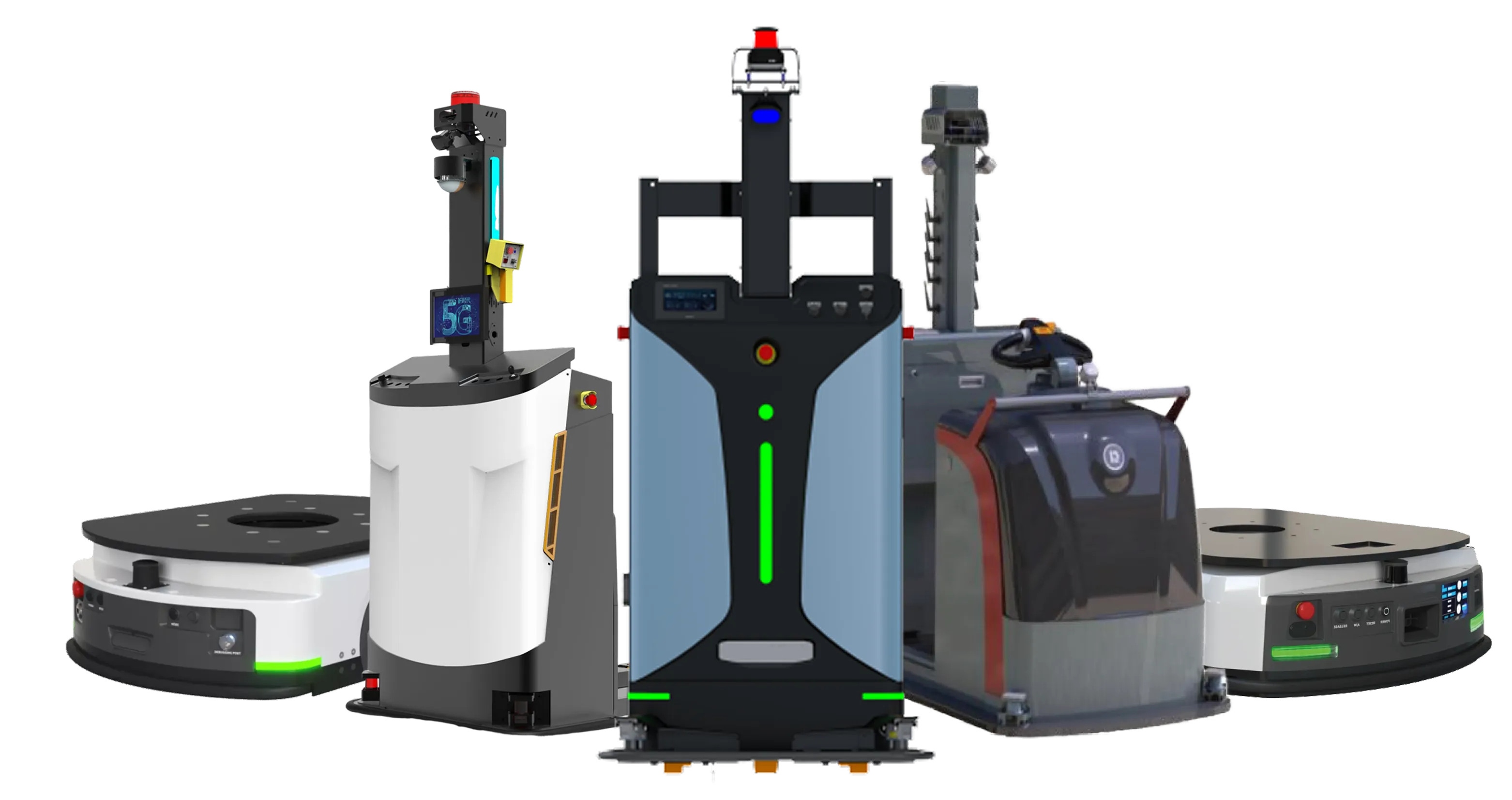


Vision Guided AGVs: High Precision, Low Deployment Cost, No Infrastructure Overhauls for Industrial Logistics
Vision-guided AGVs cut industrial logistics error rates by 92% and reduce on-site deployment time by 70% compared to laser-guided systems for standard warehouse workflows. Unlike traditional navigation methods that require permanent infrastructure modifications, these systems leverage visual data to navigate existing spaces, making them ideal for fast-growing facilities with frequent layout changes.
What’s the Positioning Accuracy for Vision-Guided AGVs in Dynamic Warehouses?
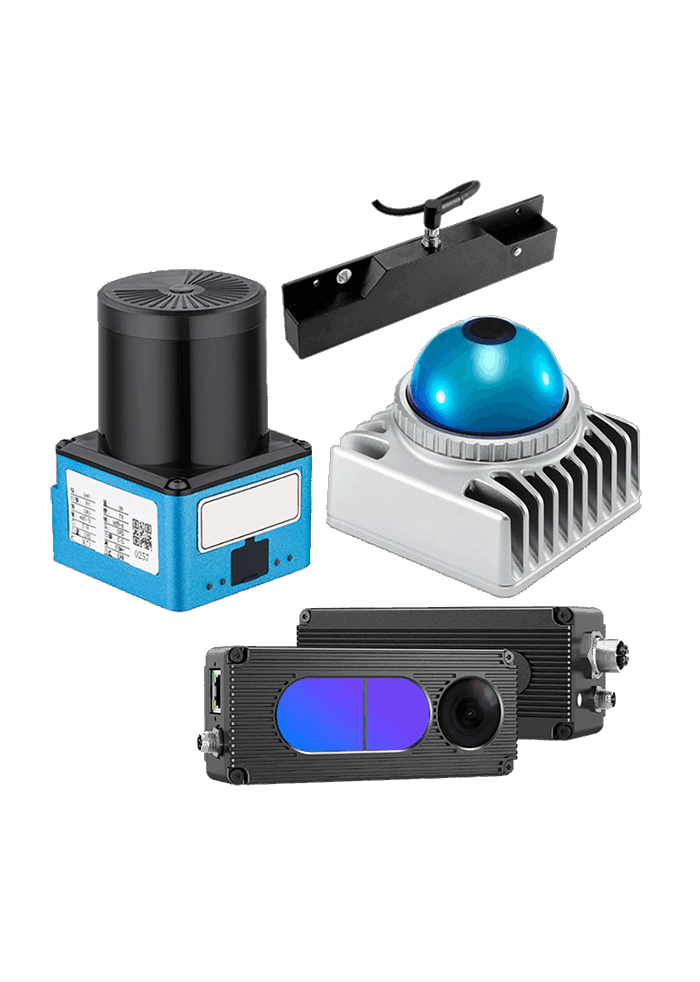
Industrial-grade 1.3MP CMOS cameras capture 30 frames per second to match ground texture or pre-placed markers, delivering ±3mm static positioning and ±5mm dynamic accuracy at 1.2m/s travel speed. A Tier 1 automotive parts supplier tested 12 2-ton vision-guided AGVs in their component warehouse, recording zero misplaced loads over 6 months of 3-shift operation, compared to a 1.1% error rate for their previous laser-guided fleet. This accuracy eliminates costly rework and production delays in high-volume manufacturing environments.How Does Vision-Guided AGV Deployment Avoid Infrastructure Overhauls?
Laser-guided systems need wall-mounted reflectors or floor-embedded QR codes, requiring 2–4 weeks of on-site setup and permanent facility changes. Vision-guided AGVs use existing ground wear patterns, shelf base marks, or temporary 10cm circular adhesive markers, cutting deployment time to 3–5 days. A 3PL e-commerce warehouse replaced 8 laser-guided AGVs with vision models, saving $28,000 in installation and retrofitting costs by avoiding floor drilling and wall mounting work.What Load Capacity and Environmental Compatibility Do Standard Models Offer?
Standard vision-guided AGVs support 0.5–5 ton loads, with custom models reaching 10 tons, and a 1.5m/s maximum travel speed with an 80cm turning radius for narrow aisles. IP65-rated camera enclosures handle high-pressure washing and dust, making them suitable for food processing and pharmaceutical facilities. A beverage manufacturer deployed 6 2.5-ton vision AGVs in their bottling plant, operating continuously at -5°C to 45°C without performance drops, supporting 1,500 daily load transfers.For project-specific requirements, consult your AGV supplier directly.
What’s the typical ROI timeline for a 2-ton vision-guided AGV in a 3-shift e-commerce warehouse?
14 months, based on annual savings of $18,200 in labor and error costs, paired with a $22,000 average unit price for a 2-ton model in 3-shift operation.
Can vision-guided AGVs navigate warehouse floors with up to 10mm surface unevenness?
Yes, tested models maintain ±5mm positioning accuracy on surfaces with up to 12mm of variation, eliminating the need for floor leveling retrofits.
How often do vision system components require replacement in 3-shift use?
Industrial CMOS cameras and image processing units have a 5-year lifespan under standard maintenance, exceeding the 3-year average for laser navigation sensors.




 Contact Us