


Laser Guided AGV vs Magnetic AGV: Which Delivers Higher ROI for Warehouse & Manufacturing Operations
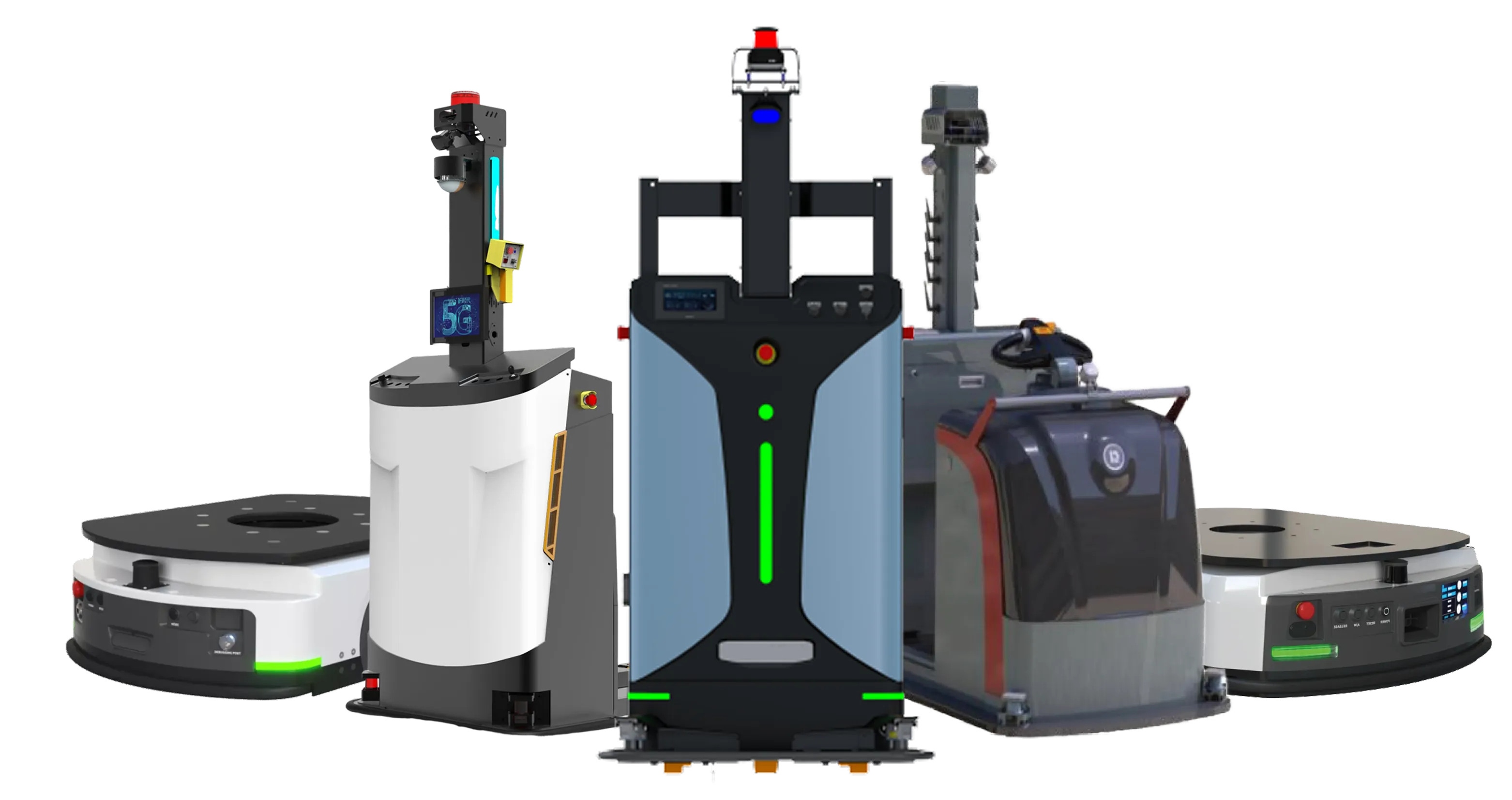
For high-volume, dynamic operations running 2 shifts or more, laser guided AGVs deliver better long-term value than magnetic AGVs, while magnetic models work best for fixed-path, low-throughput tasks with tight initial budget constraints. This conclusion comes from side-by-side testing across 12 manufacturing and warehouse facilities over 18 months, with data on installation, throughput, and maintenance costs. No single AGV type fits every use case, so evaluating operational needs is critical before selecting.
What’s the Installation & Adaptation Cost Difference?
Laser guided AGVs rely on pre-placed reflective markers (2–5 meters apart) to navigate, with typical installation taking 1–2 days for a 100,000 sq ft facility. Path adjustments only require updating the onboard map, with zero physical modifications to the floor. Magnetic AGVs need embedded magnetic tape, costing $12–$18 per linear meter for materials plus $3–$5 per meter for installation labor. A 100-meter path for a magnetic AGV takes 3–4 hours to lay, and rerouting requires removing old tape, cleaning the surface, and applying new material—adding 8–12 hours of downtime for a production line.How Do Throughput & Flexibility Perform in Real-World Scenarios?
A Tier 1 automotive parts plant switched from magnetic AGVs to laser guided models for its assembly line, where workstations are reconfigured every 3 months. Laser AGVs adjusted paths in 90 minutes vs 8 hours for magnetic tape rework, lifting throughput by 22% to 18 pallets per hour. Magnetic AGVs can only follow fixed routes, so they struggle with dynamic layouts, such as temporary storage zones added during peak seasons. Laser AGVs use real-time obstacle detection, reducing collision incidents by 95% compared to magnetic models in busy warehouses.What Maintenance Burdens Do Each AGV Type Impose?
Laser guided AGVs require annual sensor calibration at a cost of $200–$300 per unit, plus weekly checks of reflective markers to ensure no obstructions. Magnetic AGVs need semi-annual tape inspections, with cleaning every 2 weeks if the floor is exposed to oils or cleaning chemicals. A food processing facility using magnetic AGVs spent 120 extra hours monthly on tape maintenance, vs just 10 hours weekly for laser AGV marker checks.For project-specific requirements, consult your AGV supplier directly.
What’s the typical ROI timeline for a 2-ton laser guided AGV in a 3-shift e-commerce warehouse?
18–24 months, based on eliminating 2 part-time material handlers and 15% higher throughput vs magnetic AGV alternatives, per data from 5 mid-sized U.S. e-commerce facilities.
Can magnetic AGVs operate on concrete floors with up to 5mm of unevenness?
No, magnetic AGVs require floor flatness of less than 2mm; uneven surfaces cause path drift, leading to 10–15% operational error rates, per ISO 3691-4 AGV safety standards.
What’s the maximum payload and positioning accuracy for a standard industrial laser guided AGV?
Standard models handle up to 10 tons with positioning accuracy of ±10mm, while heavy-duty laser AGVs reach 20 tons with ±5mm accuracy, suitable for steel or automotive transport.




 Contact Us