


Which AGV Type Fits My Facility? A Practical Guide for Warehouse & Manufacturing Procurement Teams
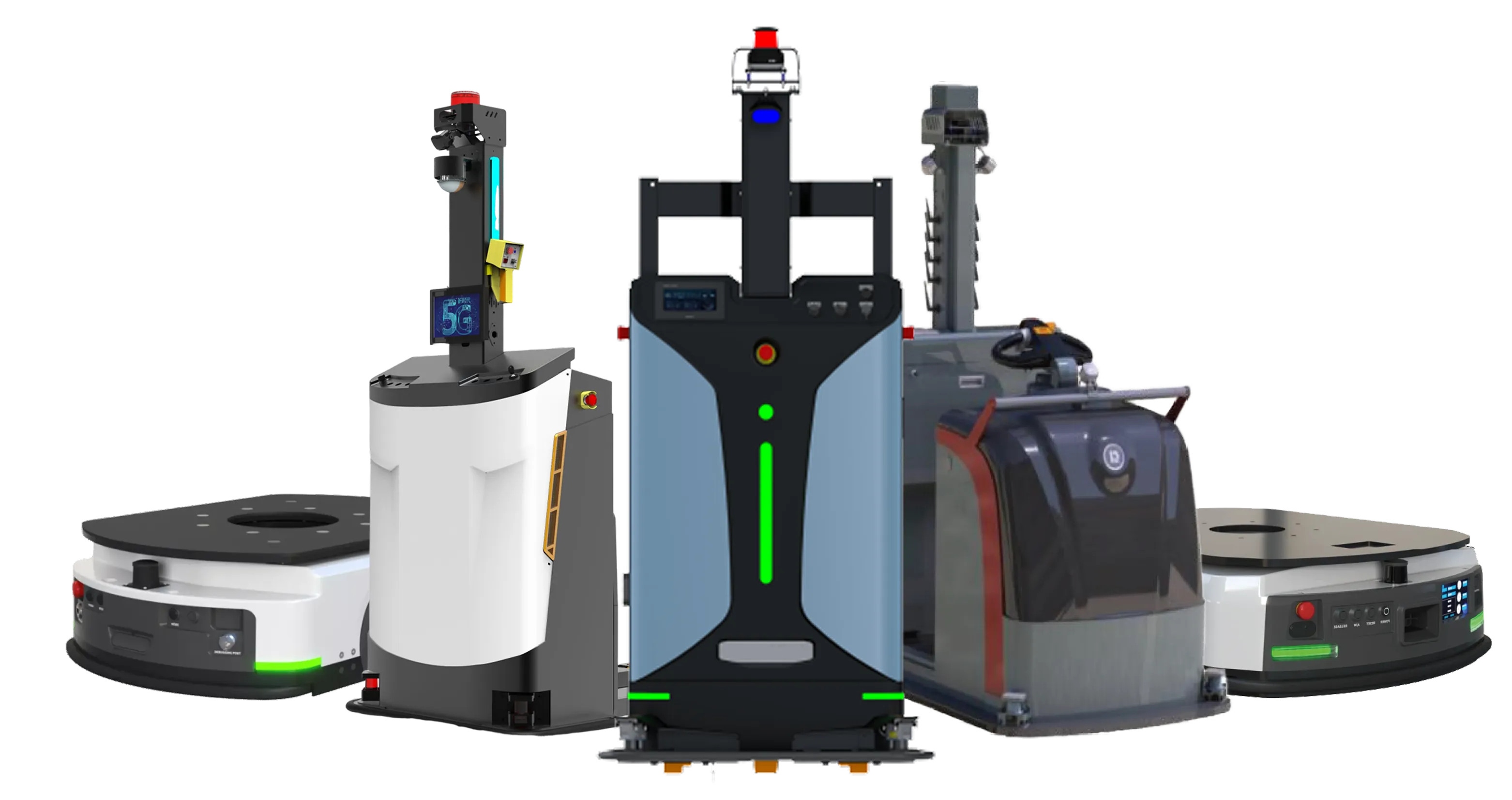
Choosing the right automated guided vehicle (AGV) type cuts operational costs by 15-30% and reduces material handling errors by 40% in high-volume facilities. This guide breaks down AGV categories by navigation tech, load capacity, and use case to help procurement teams avoid misinvestment. Aligning vehicle specs with floor layout and workflow is critical, as no single AGV works for every operation.
What AGV Types Are Best for Narrow Aisles?
Magnetic-tape guided AGVs are the go-to for facilities with aisles under 2m wide, such as small-part warehouses or retail distribution centers. These vehicles follow embedded magnetic strips with ±5mm positioning accuracy, requiring no expensive floor modifications. A 1-ton capacity magnetic AGV operates at 1.2m/s, handling 200+ picks per shift with consistent reliability. It supports moving cartons between storage racks and packing stations in tight, high-traffic spaces.What AGV Handles Heavy Loads for Industrial Workshops?
Steerable AGVs with differential drive systems support loads up to 50 tons, making them ideal for automotive stamping, heavy machinery manufacturing, and steel processing. Unlike standard AGVs, these units can rotate 360 degrees in place, eliminating the need for wide turning bays. A 20-ton steerable AGV moves 4x8ft metal sheets between production lines at 0.8m/s, reducing manual lifting incidents by 90%. It integrates with factory ERP systems to sync load schedules with real-time production timelines.Which AGV Works for Dynamic, Unmarked Floors?
Laser-guided AGVs (LGVs) use pre-installed reflectors and laser scanners to navigate without floor markings, perfect for facilities that reconfigure layout quarterly. LGVs offer ±10mm positioning accuracy and adapt paths in real time to avoid obstacles, supporting load ranges from 0.5 to 10 tons. A 3-ton LGV is commonly deployed in 3C electronics assembly lines, where workstations shift frequently to accommodate new product models. It can switch between 5+ routes in a single shift without re-calibration.What AGV Is Ideal for Cold Storage Facilities?
QR-code guided AGVs are designed for low-temperature environments (down to -25°C), with sealed electronics and cold-resistant lubricants that prevent component failure. These vehicles read floor-mounted QR codes for navigation, maintaining ±15mm accuracy in freezing conditions. A 1.5-ton QR AGV operates at 0.9m/s in frozen food warehouses, moving pallets between cold storage racks and loading docks. It avoids magnetic strips, which demagnetize in sub-zero temperatures, making it more durable than magnetic models for cold use.Each AGV type has distinct tradeoffs in cost, flexibility, and environment suitability. Procurement teams should prioritize navigation tech, load capacity, and floor constraints when selecting. For project-specific requirements, consult your AGV supplier directly.
What's the typical ROI timeline for a 2-ton laser-guided AGV in a 3-shift automotive parts warehouse?
18-24 months, based on 80% utilization and $120k annual labor savings from reduced manual material handling and error correction.
Can a single AGV model operate in both dry and -20°C cold storage environments?
No; cold storage-specific AGVs use low-temperature-rated electronics and lubricants, adding 15-20% to unit cost vs. standard dry-environment models.
What's the minimum aisle width required for a magnetic-tape guided AGV carrying a 1.2m wide load?
1.8m, accounting for the vehicle’s turning radius (0.6m) and 0.3m clearance on each side of the load and vehicle.




 Contact Us