
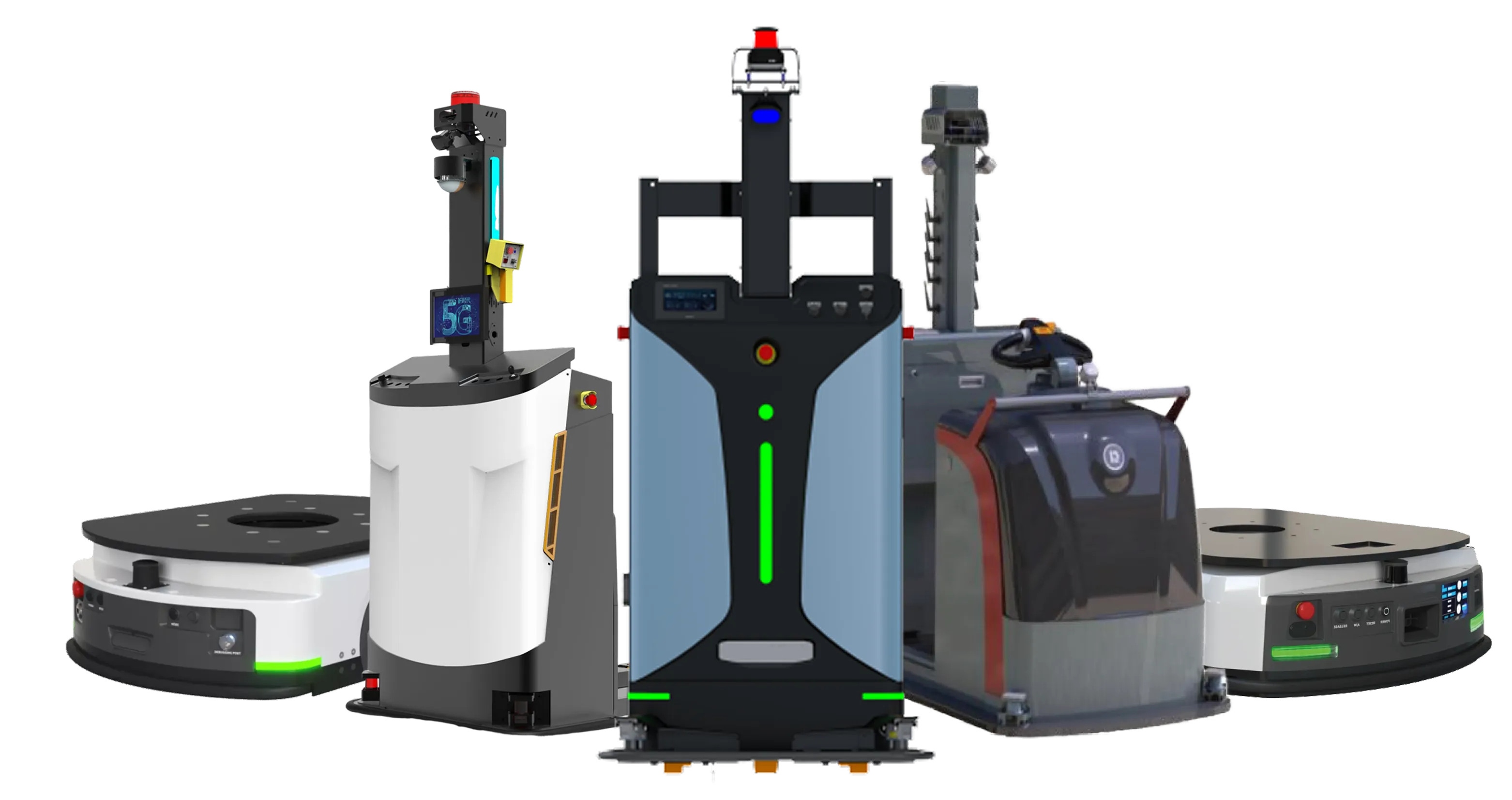
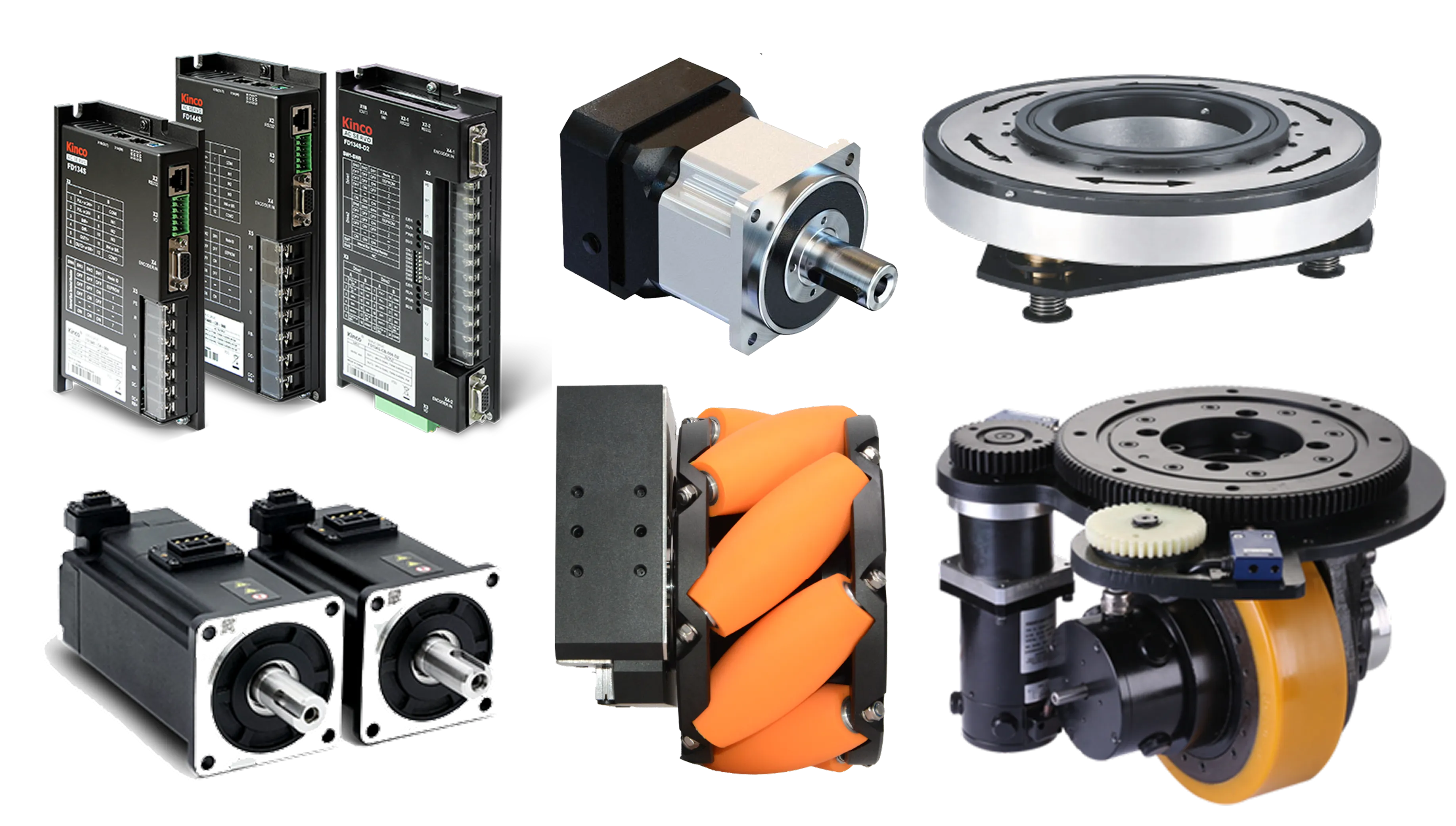
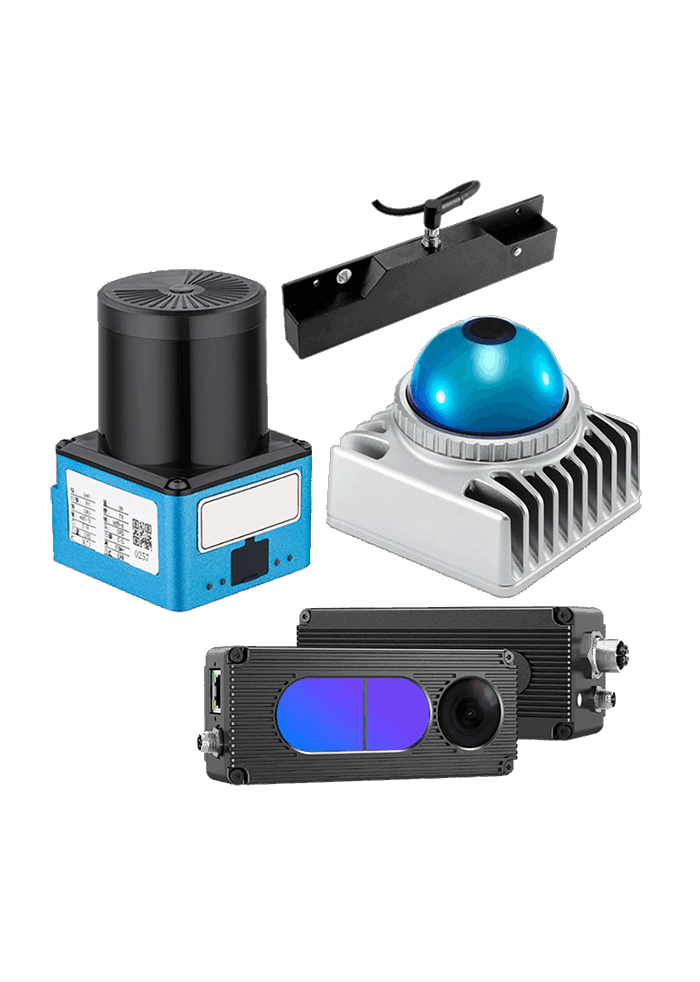
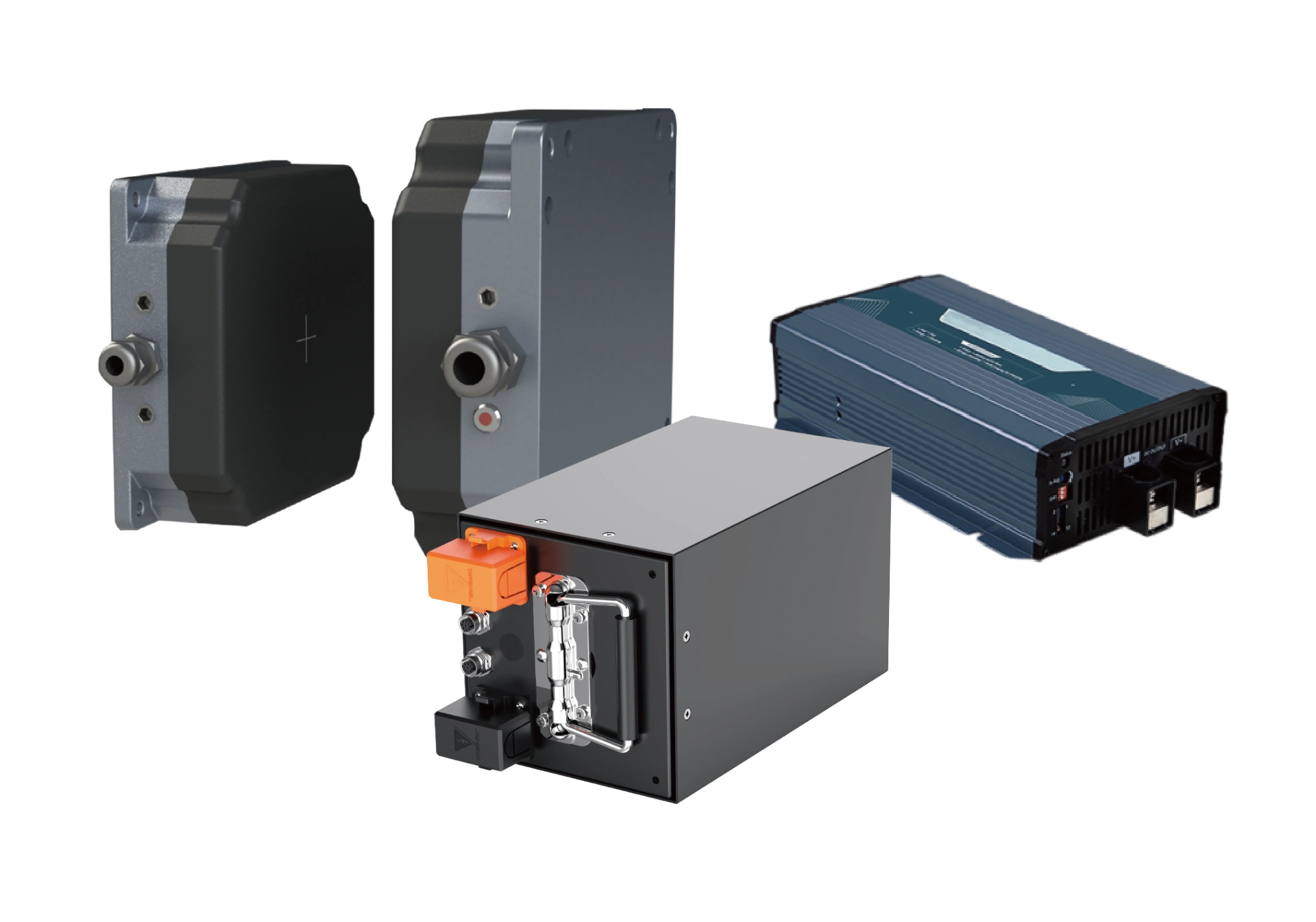


Wire Guided AGV Systems: Cost-Effective, Precise Navigation For Industrial Material Transport
Wire guided AGV systems deliver centimeter-level positioning accuracy at 20% lower upfront cost than laser-guided alternatives, making them a top choice for fixed-path material transport in high-volume industrial settings. Unlike vision or magnetic navigation models, they rely on a buried conductive wire to follow a consistent route, eliminating the need for frequent calibration or environmental adjustments. This reliability translates to fewer workflow disruptions and lower long-term maintenance for operations with fixed material flow needs.
Which Industries Benefit Most From Wire Guided AGV Systems?
Automotive parts assembly lines use these systems to move engine blocks, transmissions, and door panels between workstations without human intervention. Food and beverage facilities deploy them to transport pallets of bottled goods to loading docks, adhering to strict hygiene standards as they operate on sealed navigation lines. Electronics manufacturing plants rely on them to carry fragile wafer containers, where consistent pathing prevents damage that would disrupt production timelines. Each application thrives on the system’s ability to follow a fixed route with zero deviation, even in environments with dust, moisture, or varying lighting conditions.What Are The Key Installation And Maintenance Requirements?
Installation starts with laying a conductive wire 10mm below the concrete or epoxy floor, then connecting it to a signal generator that emits a low-frequency magnetic field. No specialized floor modification is needed for retrofits, as the wire can be embedded in existing surface grooves. Weekly maintenance checks include verifying signal strength at 3 key points along the route and inspecting tire wear to ensure smooth movement. Battery packs, rated for 12 hours of continuous operation, are replaced every 4 years with no on-site calibration required.What Are Typical Load Capacities And Operational Speeds?
Standard wire guided AGV models handle loads from 500kg to 5 tons, with custom configurations available for heavier payloads. Maximum operational speed ranges from 0.8m/s for precision tasks like pallet picking to 1.5m/s for long-distance transport between warehouse zones. For 3-shift operations, quick-swap battery modules cut downtime to under 2 minutes, ensuring uninterrupted workflow. The system’s path accuracy stays within ±5mm, eliminating misalignment issues that cause product damage or workflow delays.These consistent, cost-effective features make wire guided AGVs a reliable investment for operations prioritizing fixed-path efficiency. For project-specific requirements, consult your AGV supplier directly.
What's the typical ROI timeline for a 2-ton wire guided AGV in a 3-shift warehouse with 10km of daily transport?
18-24 months, driven by annual labor savings of $45,000 per AGV and a 90% reduction in material damage compared to manual handling.
How flexible are wire guided AGVs when layout changes are needed?
Navigation lines can be re-routed in 8-12 hours for small adjustments; major layout overhauls take 2-3 days, with no new infrastructure beyond line repositioning.
Can wire guided AGVs integrate with existing warehouse management systems (WMS)?
Yes, standard models support WMS integration via Modbus or Ethernet/IP, delivering 99.8% data accuracy for task scheduling and real-time status tracking.




 Contact Us