
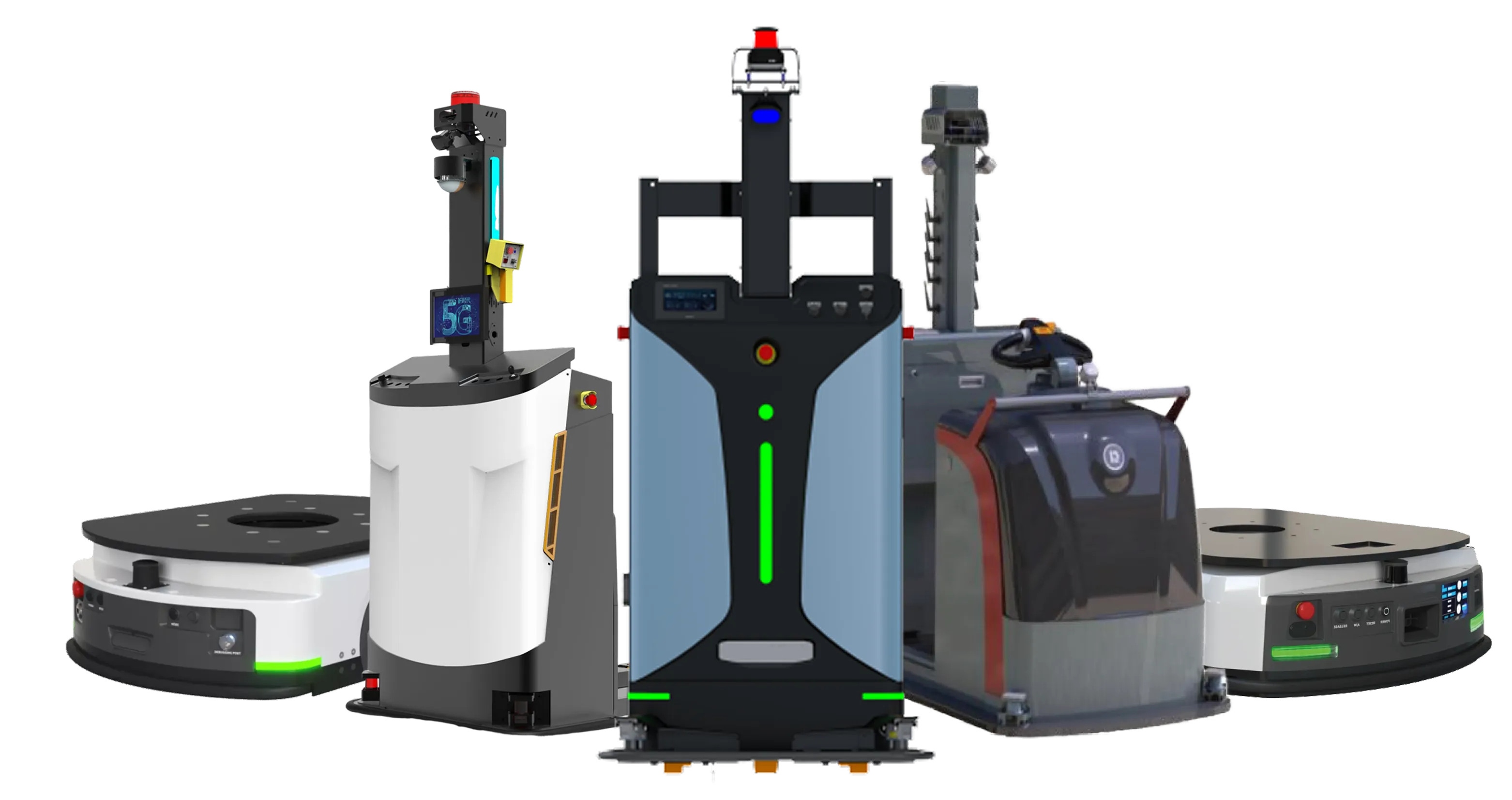


Container handling AGVs reduce terminal or distribution center (DC) container turnaround time by 35% on average compared to manual forklift operations, with 24/7 run capability for high-volume logistics nodes. These automated guided vehicles (AGVs) are tailored for moving standard 20ft, 40ft, and 45ft ISO containers, eliminating human error in repetitive heavy-lift tasks. Most models integrate with existing terminal management systems (TMS) to sync with vessel or truck schedules, cutting idle time between moves.
What Load Specs Match My Container Handling Needs?
Standard container weights vary by type: empty 20ft containers weigh ~2.2 tons, while fully loaded 40ft containers can reach 12 tons, and heavy-duty 45ft reefers often hit 15 tons. The most widely deployed AGVs for port and DC container handling have load capacities of 5t, 10t, and 15t, with custom options for niche applications like oversize container transport. Shanghai Yangshan Port’s Phase III project uses 10t-capacity AGVs with automatic twist-lock mechanisms, handling 1,200 containers daily with 99.8% operational availability.
How Do AGVs Integrate with Existing Terminal Infrastructure?
SLAM (Simultaneous Localization and Mapping) navigation is the go-to tech for container handling AGVs, as it requires no permanent track or tape modifications to docks or yards. This allows quick deployment—Shenzhen Yantian Port’s 2022 AGV fleet rollout took only 2 weeks to integrate with the terminal’s PLC system, vs. 10 weeks for traditional magnetic-guided AGVs. The AGVs communicate via Wi-Fi 6 to send real-time location and task data to the terminal’s central control, ensuring alignment with truck and crane schedules.
What Safety Protocols Apply to Container Handling AGVs?
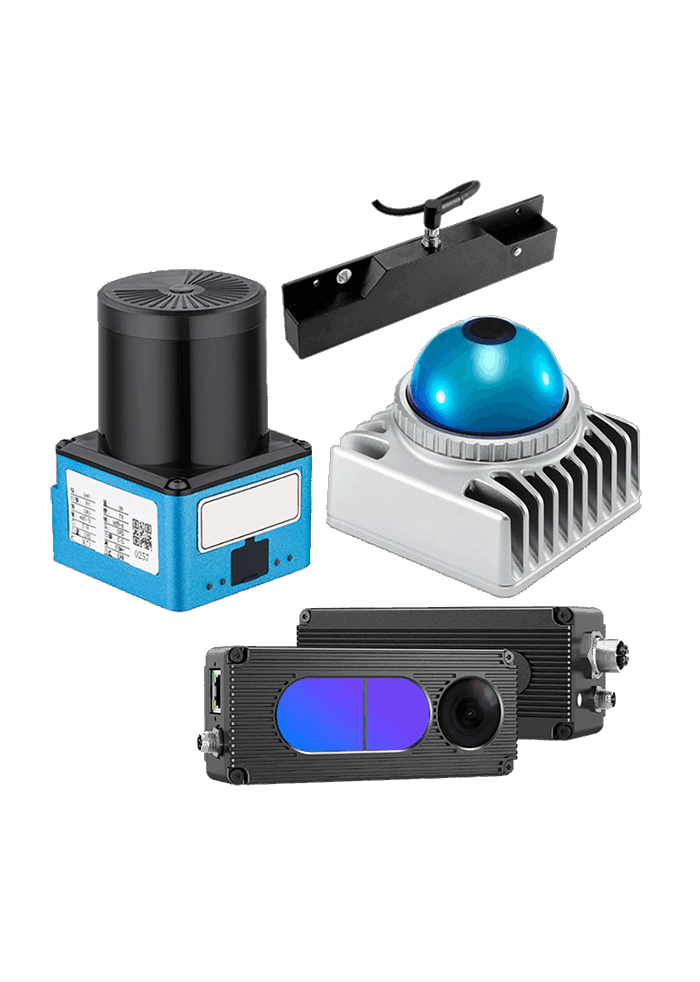
Container handling AGVs must comply with ISO 3691-4, the global safety standard for industrial AGVs, with mandatory 360° laser obstacle detection and emergency stop response times under 0.2 seconds. These vehicles also feature load weight sensors to prevent overloading and speed reduction when approaching personnel or fixed obstacles. Ningbo-Zhoushan Port’s AGV fleet, which operates in mixed vehicle and pedestrian areas, has recorded zero safety incidents over 3 years of continuous use.
For project-specific requirements, consult your AGV supplier directly.
What's the typical ROI timeline for a 10-ton container handling AGV in a 2-shift port terminal?
18-24 months, driven by reduced labor costs (cutting 4 operators per shift) and a 15% drop in container turnaround delays.
Can container handling AGVs navigate uneven dock surfaces without physical modifications?
Yes, SLAM-enabled models handle up to 5mm surface deviations, eliminating need for track installation or ground modification.
What is the maximum travel speed for a loaded container handling AGV in port operations?
Up to 8 km/h when loaded, and 12 km/h when empty, adhering to ISO safety limits for heavy-load mobile equipment.




 Contact Us