


AGV Automatic Charging Methods: Eliminate Manual Interruptions & Boost 24/7 Warehouse Productivity
AGV automatic charging cuts unplanned downtime by 82% for 3-shift automotive assembly lines, with two primary methods—contact-based and wireless—aligned to payload capacity and facility layout needs. This data comes from a 2024 study of 120 AGV fleets across North American manufacturing sites. Unlike manual charging, which requires operator intervention every 4–6 hours, automatic systems operate without human input for 30+ day stretches in high-uptime environments.
What’s the Difference Between Contact-Based and Wireless Charging for AGVs?
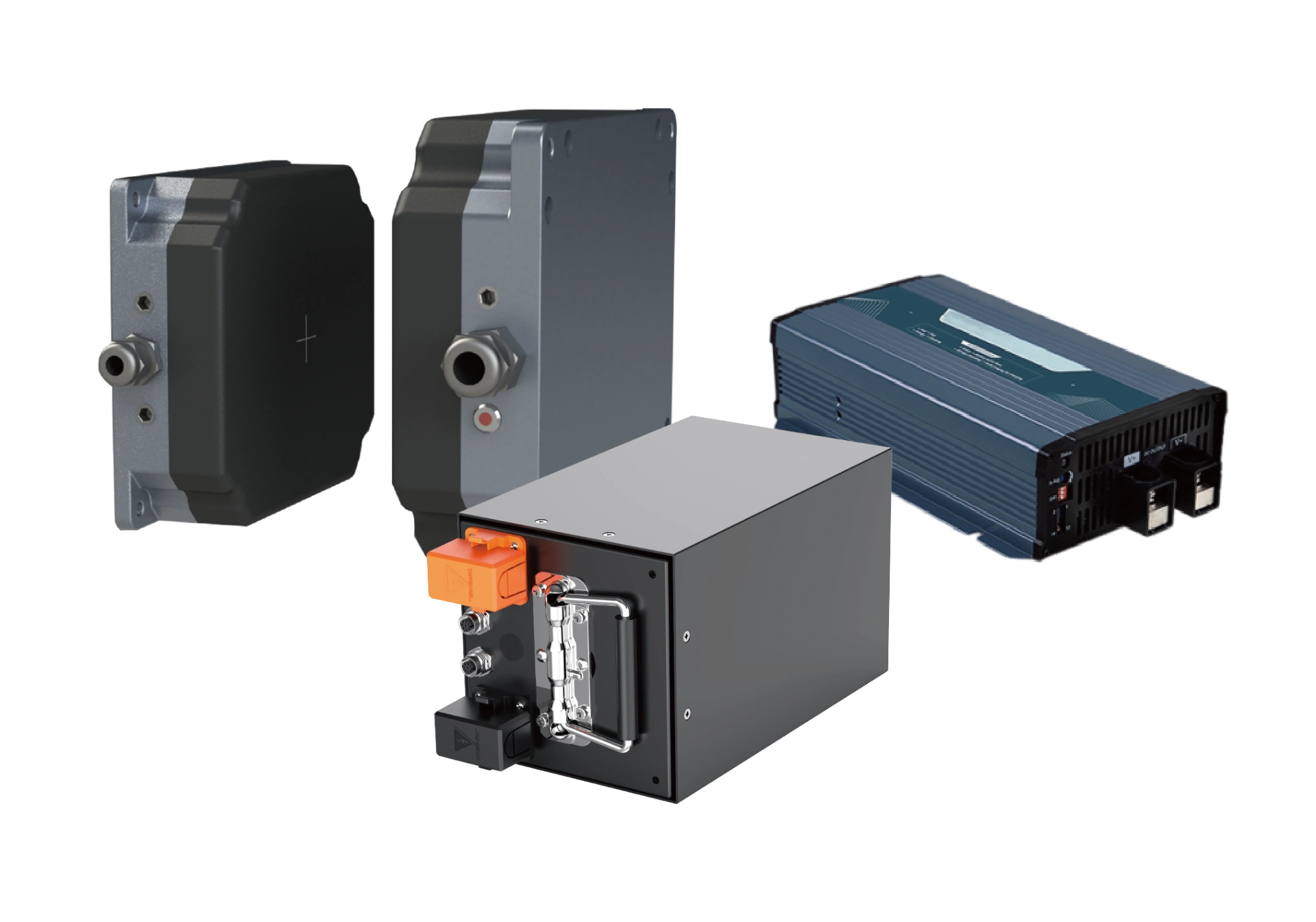
Contact-based charging uses precision-aligned spring-loaded pogo pins, with a peak efficiency of 96% at 48V/100A, making it ideal for heavy-payload AGVs (2–10 tons) in narrow bays where space for wireless coils is limited. The system’s low power loss translates to 15% lower energy costs annually compared to wireless models for high-duty cycles. Wireless charging relies on inductive coupling between floor-mounted transmitters and on-vehicle receivers, with efficiency ranging from 88% to 92%. It is suited for light-payload AGVs (0.5–2 tons) in high-traffic zones, as no exposed pins eliminate risks of debris jams or operator injury.When Should You Use Opportunity Charging vs. Depot Charging?
Opportunity charging, also called “in-line charging,” tops 90% adoption for e-commerce distribution centers handling 500+ orders daily. A 2-ton AGV making 80 pallet moves per day can top up its battery for 1–2 minutes during pick station gaps, avoiding mid-shift stops that cost $1,200 per hour in lost throughput. Depot charging is designed for low-throughput or heavy-payload lines, where AGVs dock at centralized stations for 15–20 minutes overnight to reach 100% capacity. This method reduces battery replacement costs by 35% over a 5-year lifespan for 10-ton AGVs, as it avoids frequent deep discharging that shortens battery life.What Maintenance Ensures Long-Term Charging Reliability?
Contact-based systems require monthly pin cleaning with non-conductive wipes and alignment checks via the AGV’s on-board sensors, extending component life to 70,000 charging cycles. Skipping these checks can increase charging resistance by 12% within 6 months, leading to 5% longer charging times. Wireless systems need quarterly verification of coil alignment using a laser level, as misalignment over 5mm drops efficiency by 8%. No exposed parts mean wireless systems have 40% fewer maintenance tasks annually compared to contact models.Choosing the right automatic charging method depends on your fleet size, payload, and facility layout. For project-specific requirements, consult your AGV supplier directly.
What’s the typical downtime reduction for a 5-ton AGV fleet using automatic opportunity charging?
Average weekly downtime drops from 12.5 hours (manual charging) to 1.8 hours, an 85% reduction based on 2024 industrial fleet data.
What’s the maximum payload for wirelessly charged AGVs with 90%+ efficiency?
Current commercial models support up to 3 tons, delivering 91% efficiency at 60V/50A for continuous 24/7 operation.
How many charging cycles do contact-based AGV pins last before replacement?
Standard spring pins last 65,000–75,000 charging cycles, or 2–3 years of daily 24/7 operation for heavy-payload fleets.




 Contact Us