
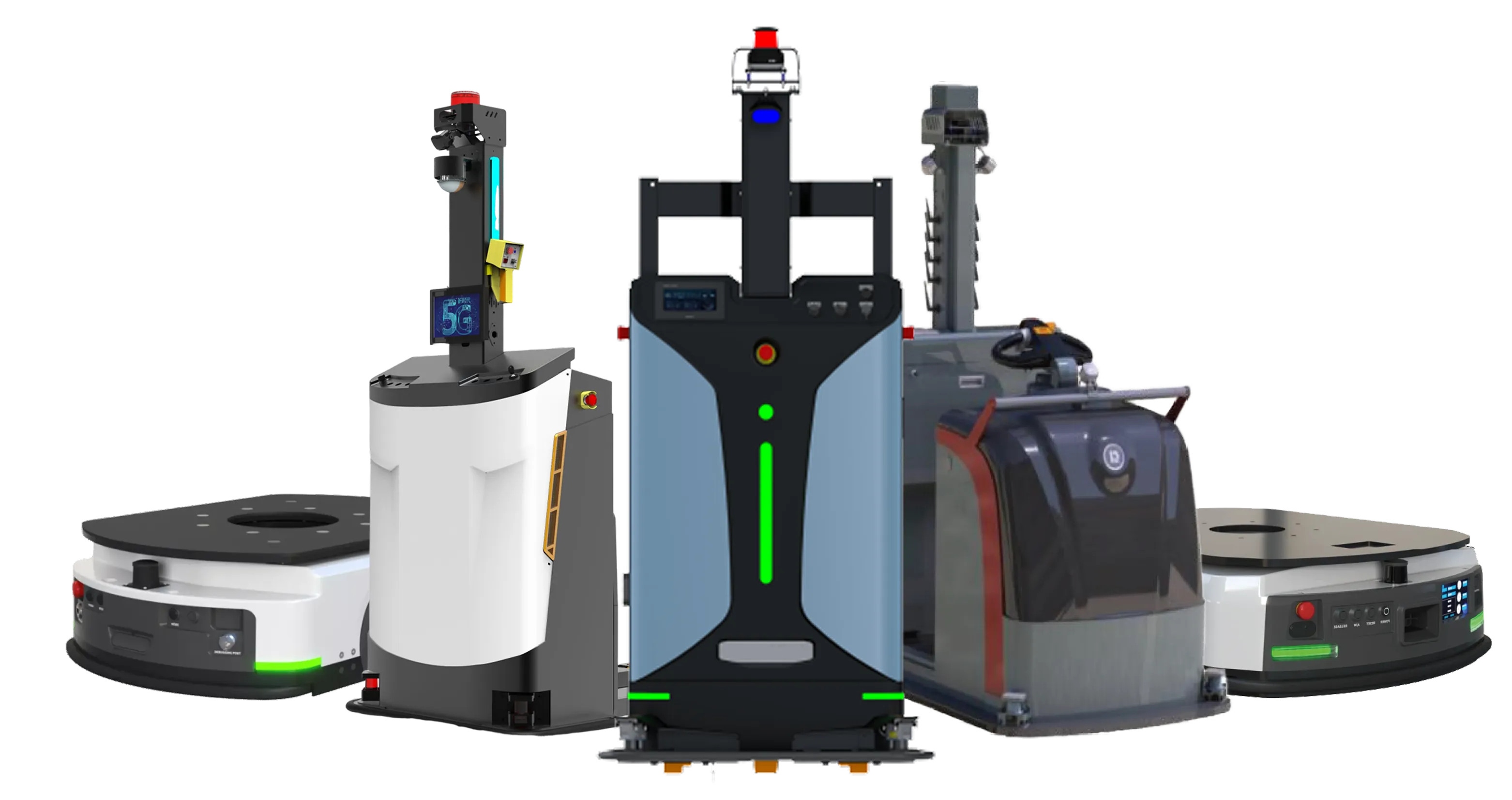
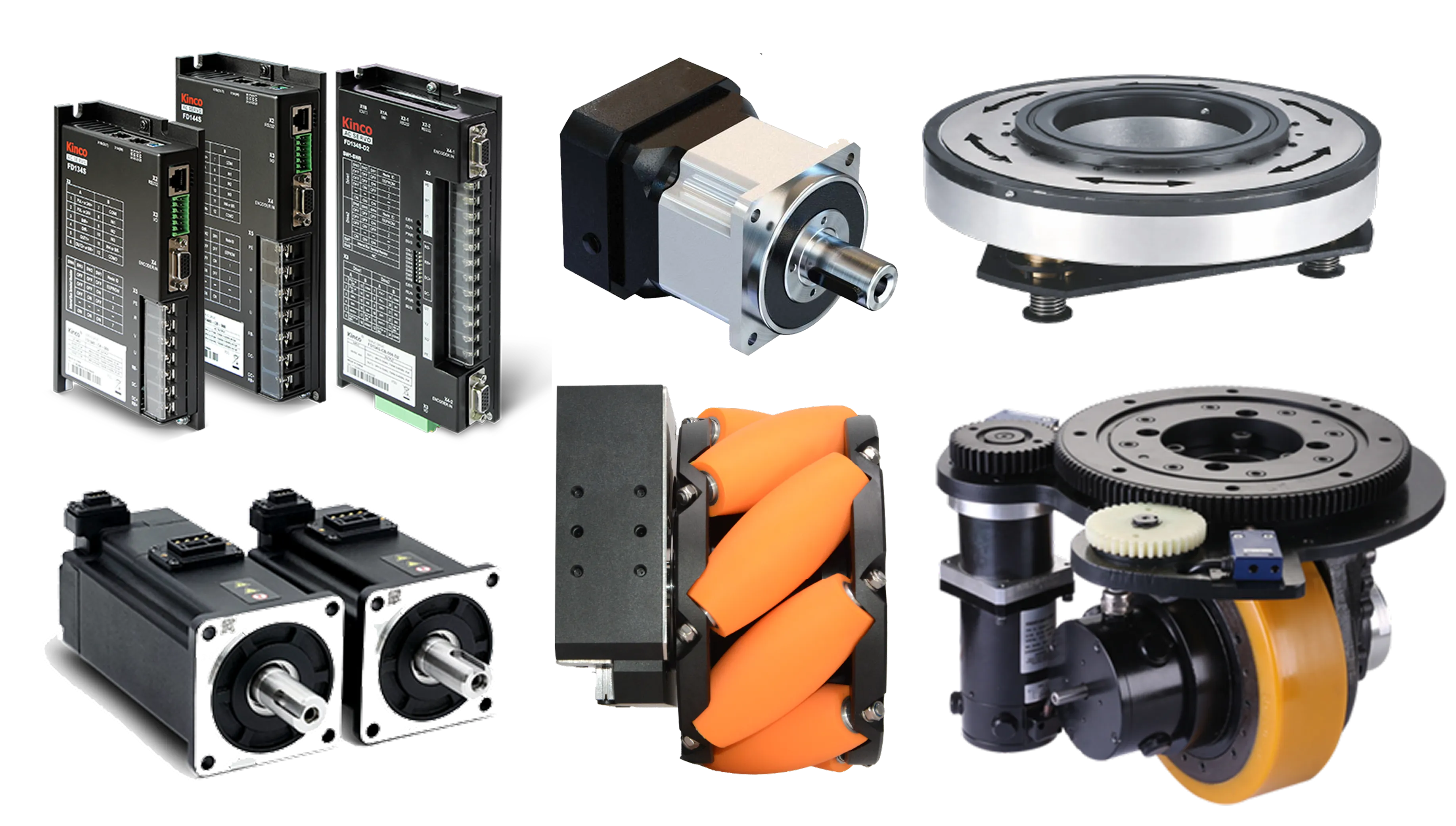
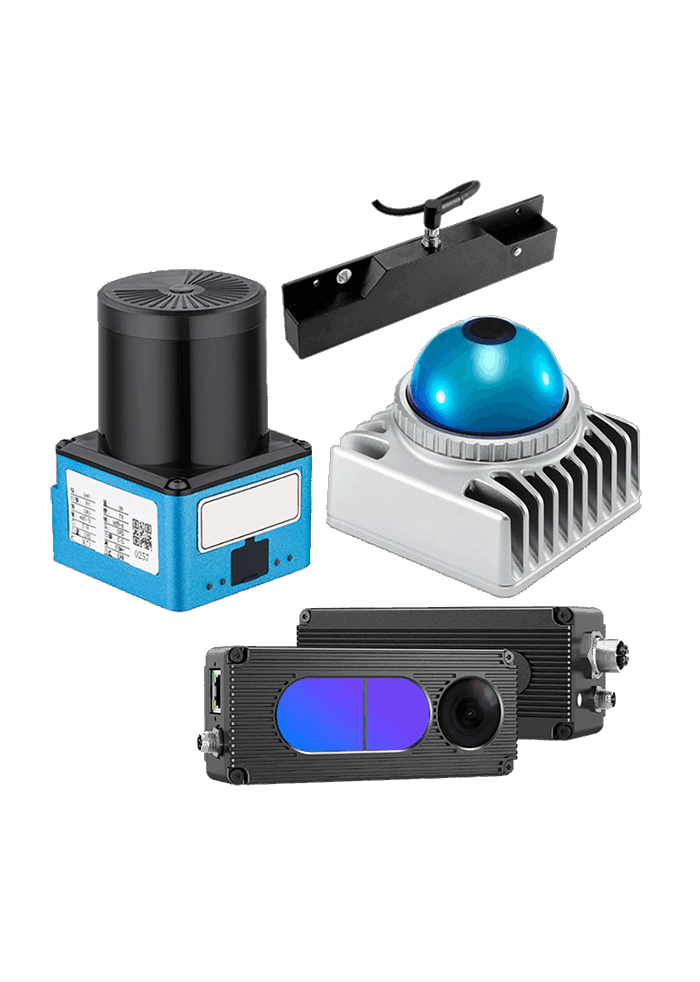
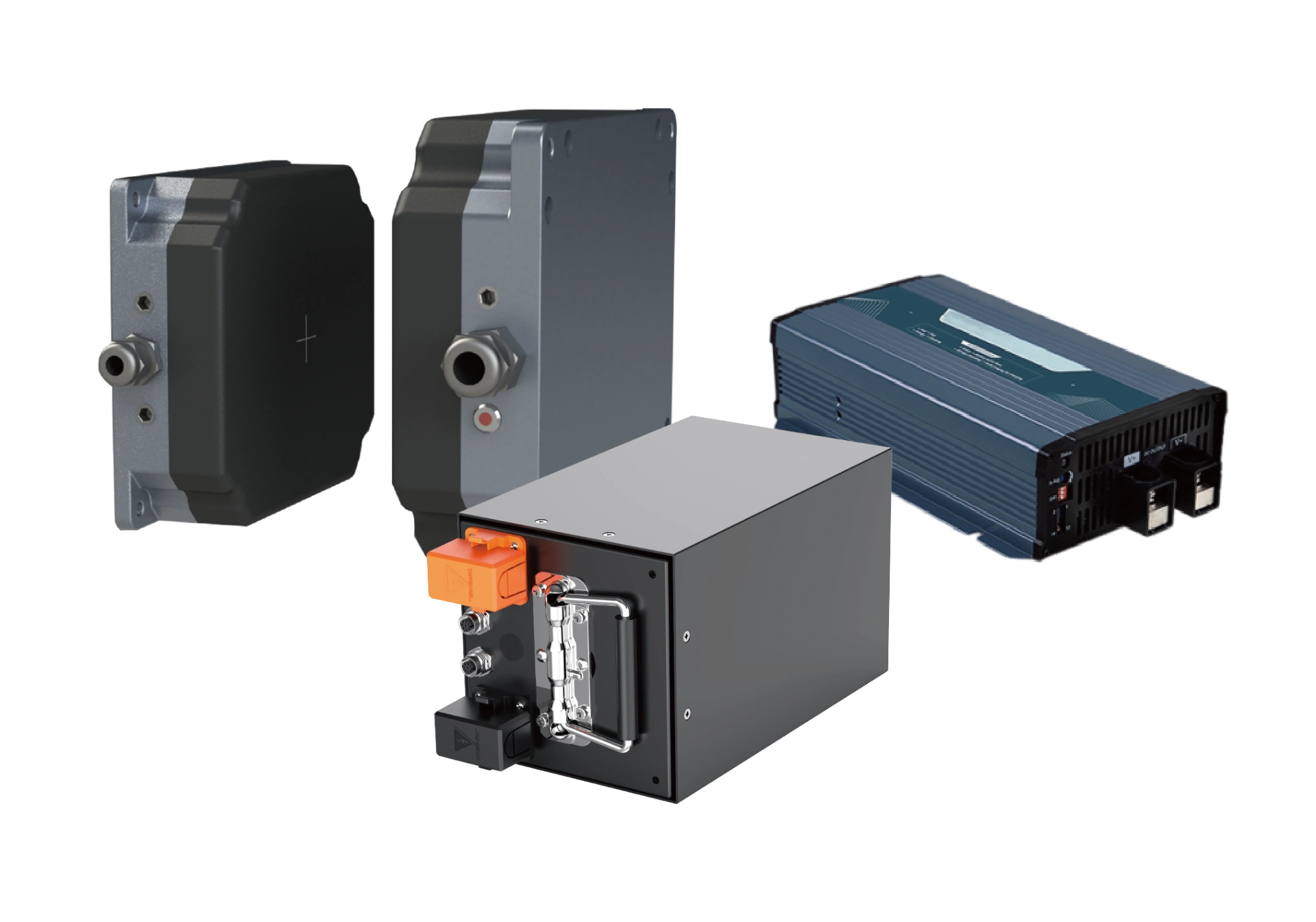



In today’s fast-paced manufacturing and logistics sectors, inefficient material handling is a top pain point—leading to costly delays, labor shortages, and higher operational risks. For businesses aiming to streamline workflows, reduce human error, and scale productivity, an AGV (Automated Guided Vehicle) stands as a transformative solution. With a wide range of high-quality AGV automated guided vehicle for sale options available, factories and logistics teams can find tailored solutions aligned with their unique operational needs. This guide breaks down key insights about AGVs, their benefits, and how to select the right model for your business.
What Are AGVs & Their Core Types
Automated Guided Vehicles (AGVs) are self-driving, wheeled vehicles designed to transport materials, pallets, or loads without on-board human operators. They rely on navigation technologies to follow predefined paths or operate autonomously, eliminating manual handling tasks that are repetitive, risky, or slow. Common types of AGVs available for sale include:
Unit Load AGVs: Ideal for transporting standard pallets, containers, or bins, these are the most widely used in warehouses and assembly lines.
Forklift AGVs: Designed to mimic traditional forklift functions, they handle heavy loads (up to 10+ tons) for loading/unloading trucks or moving large inventory.
Compact AGVs: Built for narrow aisles or tight spaces in small factories, maximizing floor space utilization.
Heavy-Duty AGVs: For industrial settings requiring transport of oversized items like automotive chassis or machinery parts.
Key Benefits of Investing in an AGV Automated Guided Vehicle for Sale
Purchasing an AGV is a long-term investment that delivers measurable returns for factories and logistics operators:
Reduced Labor Costs: Replace manual material handling roles with AGVs, reallocating workers to higher-value tasks like quality control or process optimization.
24/7 Operational Capacity: AGVs work continuously without breaks, shifts, or fatigue, boosting production throughput and order fulfillment speed.
Enhanced Workplace Safety: Equipped with obstacle detection sensors, collision avoidance systems, and precise navigation, AGVs minimize accidents from manual lifting or vehicle collisions.
Improved Accuracy & Efficiency: Eliminating human error in load transport reduces product damage, inventory discrepancies, and downtime from misplacement.
Scalability: AGV fleets can be easily expanded or adjusted to match seasonal demand or business growth, making them flexible for evolving operations.
Critical Factors for Choosing the Right AGV
When exploring AGV automated guided vehicle for sale, focus on these key criteria to ensure the best fit for your facility:
Load Capacity: Match the AGV’s maximum load rating to your typical transport needs (e.g., 1,000 kg for pallets, 5,000 kg for heavy machinery).
Navigation Technology: Choose based on your space and flexibility needs:
Laser SLAM: No fixed infrastructure, ideal for dynamic warehouses or large facilities.
Magnetic Tape/QR Code: Low-cost, fixed paths, perfect for small, stable operations.
Integration Capability: Ensure the AGV system can connect with your existing Warehouse Management System (WMS), ERP, or production line software to avoid siloed operations.
Customization: Opt for suppliers offering tailored AGV solutions if you have unique load shapes, space constraints, or workflow requirements.
Supplier Reliability: Select a supplier with proven experience in industrial automation, strong after-sales support, and positive client feedback—critical for minimizing downtime.
Real-World Applications of AGVs
AGVs are versatile across industries, with common use cases including:
Automotive Manufacturing: Transporting engine parts, chassis, or tools between assembly lines, reducing manual material movement and speeding up production.
E-Commerce Fulfillment: Moving order bins from storage to packing stations, cutting order processing time and improving order accuracy.
Food & Beverage: Handling raw materials or finished goods in temperature-controlled warehouses, adhering to hygiene and compliance standards.
Pharmaceuticals: Transporting sensitive products in sterile environments, with precise tracking for regulatory compliance.
Conclusion
AGVs are essential tools for modern factories and logistics teams looking to stay competitive in a fast-evolving market. Whether you need a standard unit load AGV or a customized heavy-duty model, reliable AGV automated guided vehicle for sale options are accessible to meet your needs. By evaluating your load requirements, navigation preferences, and integration capabilities, you can select an AGV that optimizes your workflows and delivers long-term value. If you are looking for a reliable AGV supplier from China, feel free to contact us for a customized solution tailored to your factory or logistics operations.
FAQ
Q: What navigation technology is best for my factory or warehouse?
A: It depends on your space and needs: Laser SLAM works for large, dynamic areas without fixed paths; magnetic tape/QR code is cost-effective for small facilities with fixed routes; SLAM-based navigation suits unstructured or changing environments.
Q: Can AGV systems integrate with my existing WMS or ERP?
A: Yes, most modern AGV suppliers offer solutions compatible with major WMS and ERP platforms via standardized APIs, ensuring seamless data flow between your fleet and existing systems.
Q: How long does it take to deploy an AGV solution?
A: Standard off-the-shelf AGVs take 2-4 weeks to deploy (including installation and basic training). Customized solutions take 6-8 weeks, depending on your requirements and facility preparation.




 Contact Us