



AGV Applications in Warehouses: Boost Efficiency & Cut Operational Costs
Warehouse operations are evolving rapidly to meet the demands of global supply chains, with Automated Guided Vehicles (AGVs) emerging as a transformative technology. If you’re a factory buyer, logistics manager, or automation engineer wondering how AGV applications in warehouses can streamline workflows, reduce costly errors, and scale operations without overburdening your labor force, this guide is tailored for you. We’ll break down core AGV types, their key benefits, and critical selection tips to help you make an informed decision.
Common AGV Types for Warehouse Use
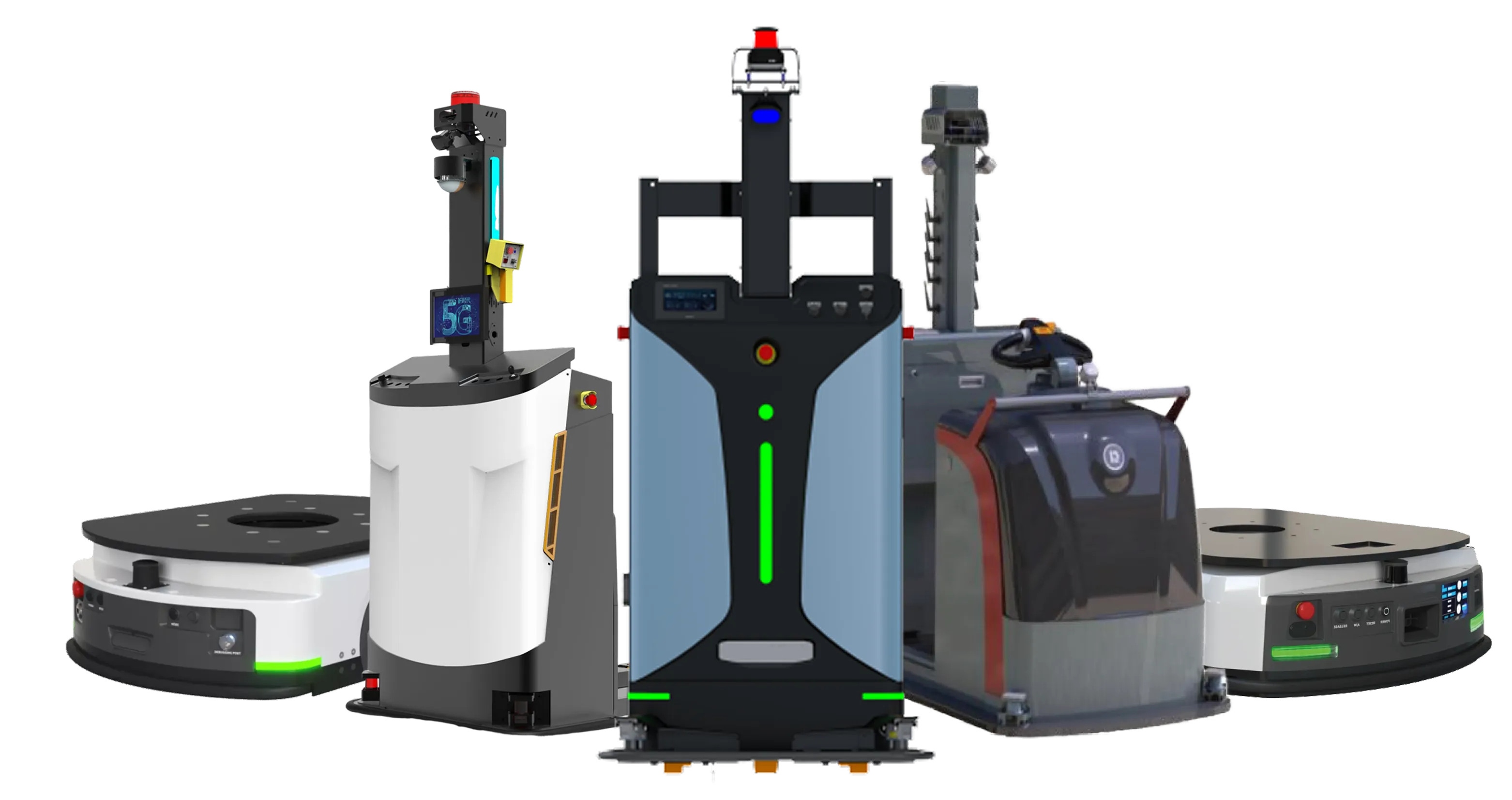
Not all AGVs are created equal—each type is designed for specific warehouse tasks, so choosing the right one depends on your operational needs. The most widely used AGVs in warehouses include:
- Unit Load AGVs: These are the workhorses of pallet transport, built to carry standard pallets of goods between receiving docks, storage areas, and shipping zones. They’re ideal for repetitive, high-volume pallet movement tasks.
- Forklift AGVs: Engineered to access high-racking systems (often up to 40 feet or more), these AGVs eliminate the need for manual forklift operators in narrow aisles, maximizing vertical storage space without compromising safety.
- Tugger AGVs: Designed to pull long chains of carts, tugger AGVs are perfect for large warehouses or manufacturing facilities where goods need to be transported over long distances, reducing the number of manual trips workers must make.
- Light Load AGVs: For e-commerce fulfillment centers handling small bins or parcels, light load AGVs offer precise, efficient transport of individual items, supporting fast order picking and packing.
Key Advantages of AGVs in Warehousing
Integrating AGVs into your warehouse delivers tangible, long-term benefits that address common pain points:
- Unmatched Efficiency: AGVs operate 24/7 with minimal downtime, unlike manual teams that require breaks, shifts, and rest periods. This consistency boosts throughput by up to 30% (per Material Handling Industry data) and reduces bottlenecks during peak seasons.
- Lower Labor Costs & Errors: Repetitive manual tasks like pallet moving and picking are prone to human error, leading to inventory discrepancies and delays. AGVs eliminate these errors, reducing rework costs by up to 25% while cutting the need for additional manual labor.
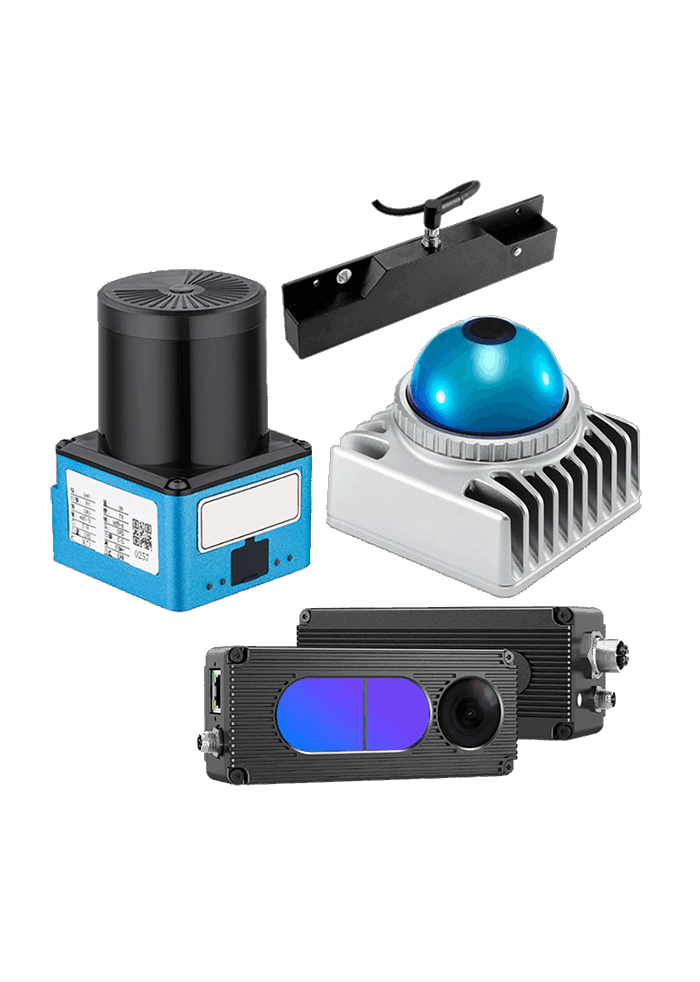
- Enhanced Workplace Safety: Manual forklift accidents are a top concern in warehouses, but modern AGVs come with obstacle detection sensors, emergency stop systems, and collision avoidance algorithms. This reduces workplace incidents by up to 70%, creating a safer environment for all staff.
- Scalability: AGV systems are flexible—you can easily add more vehicles or adjust routes via software as your warehouse grows or layout changes, avoiding the high costs of reconfiguring manual operations.
Critical Tips for Selecting Your Warehouse AGV Solution
To maximize ROI from AGV investments, keep these factors in mind:
- Align With Your Workflow: Map your warehouse’s key tasks (e.g., pallet transport, high-racking access) to choose the right AGV type. For example, narrow aisles call for compact forklift AGVs, while long-distance transport suits tugger AGVs.
- Prioritize System Integration: Ensure your AGVs sync with existing tools like Warehouse Management Systems (WMS) or ERP software. This eliminates manual task assignment and allows real-time inventory updates, a must for seamless operations.
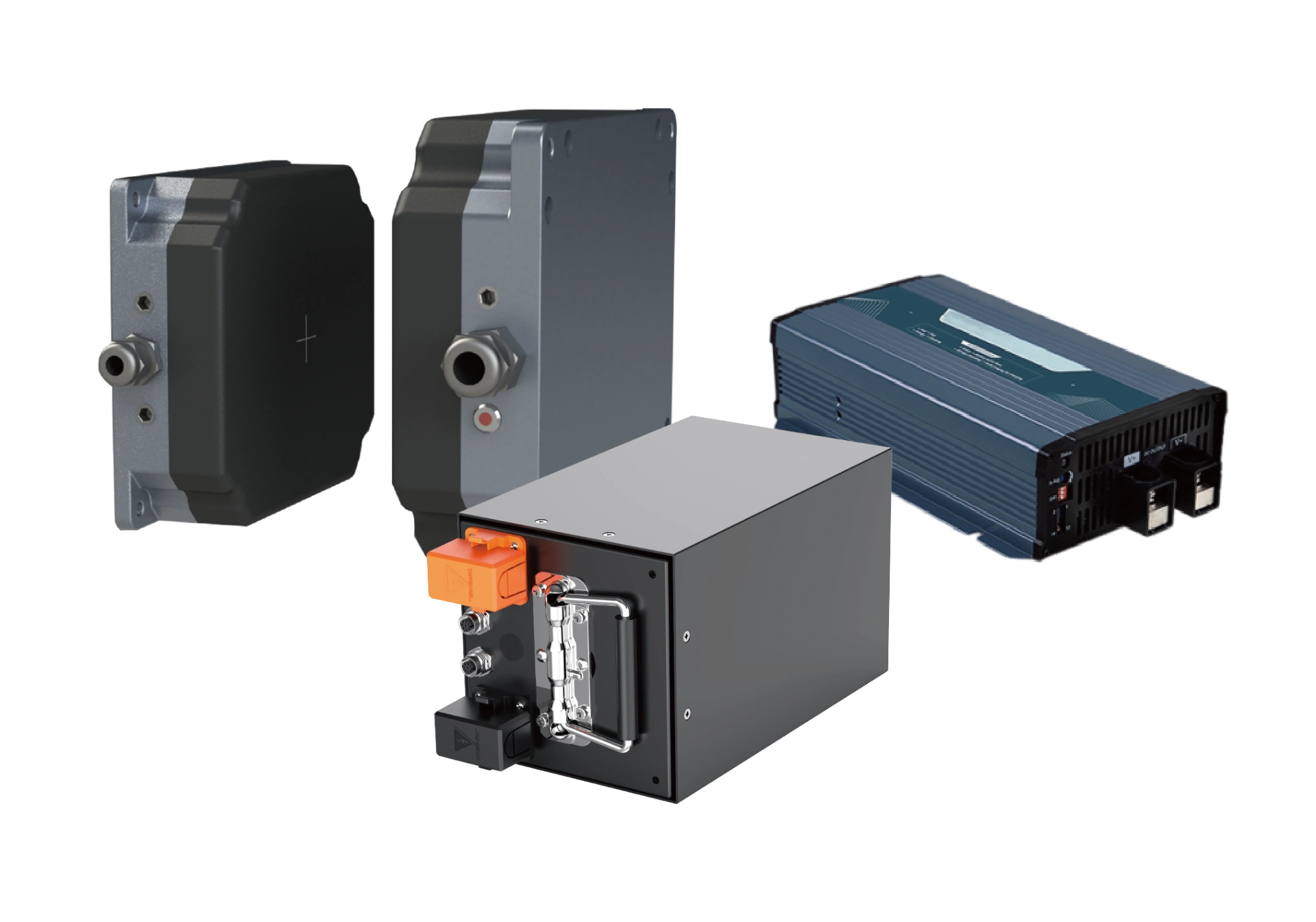
- Total Cost of Ownership (TCO): Don’t just look at upfront costs—factor in maintenance, battery charging, and training. Lithium-ion battery AGVs, for example, have lower long-term costs than lead-acid models due to faster charging and longer lifespans.
- Customization & Support: Choose a supplier that offers tailored solutions (e.g., specific load capacities, route adjustments) and reliable post-deployment support, especially if you’re new to automated systems.
In summary, AGV applications in warehouses are no longer a luxury—they’re a strategic investment to stay competitive in today’s fast-paced supply chain. From boosting efficiency and safety to reducing labor costs, the right AGV solution can transform your warehouse operations. If you are looking for a reliable AGV supplier from China, feel free to contact us for a customized solution tailored to your specific warehouse needs.
FAQ
Q: What’s the key difference between AGVs and AMRs for warehouse applications?
A: AGVs (Automated Guided Vehicles) follow fixed paths using magnetic tapes, wires, or lasers, making them cost-effective for stable layouts. AMRs (Autonomous Mobile Robots) use AI and sensors to navigate dynamically, ideal for warehouses with frequent layout changes.
Q: How long does it typically take to deploy AGVs in a medium-sized warehouse?
A: Deployment time varies by size and customization, but most medium-sized warehouses can have AGVs fully operational within 4 to 8 weeks, including system integration and staff training.
Q: Are AGVs safe to operate alongside manual warehouse workers?
A: Yes, modern AGVs are equipped with advanced safety features like obstacle detection, emergency stops, and collision avoidance, making them safe to work alongside humans. Many warehouses successfully integrate AGVs with manual teams to boost overall productivity.




 Contact Us