


AGV Automated Guided Pallet Truck: Optimize Warehouse & Logistics Workflows
For overseas factory managers and logistics teams, manual pallet transport is a persistent pain point—slow, error-prone, and costly in terms of labor and operational downtime. The AGV (Automated Guided Vehicle) Automated Guided Pallet Truck emerges as a transformative solution, designed to autonomously move pallets across warehouses, production floors, and loading docks without human intervention. This article explores its functionality, types, benefits, selection criteria, and real-world value to help you decide if it’s right for your operations.
What Is an AGV Automated Guided Pallet Truck & How It Works
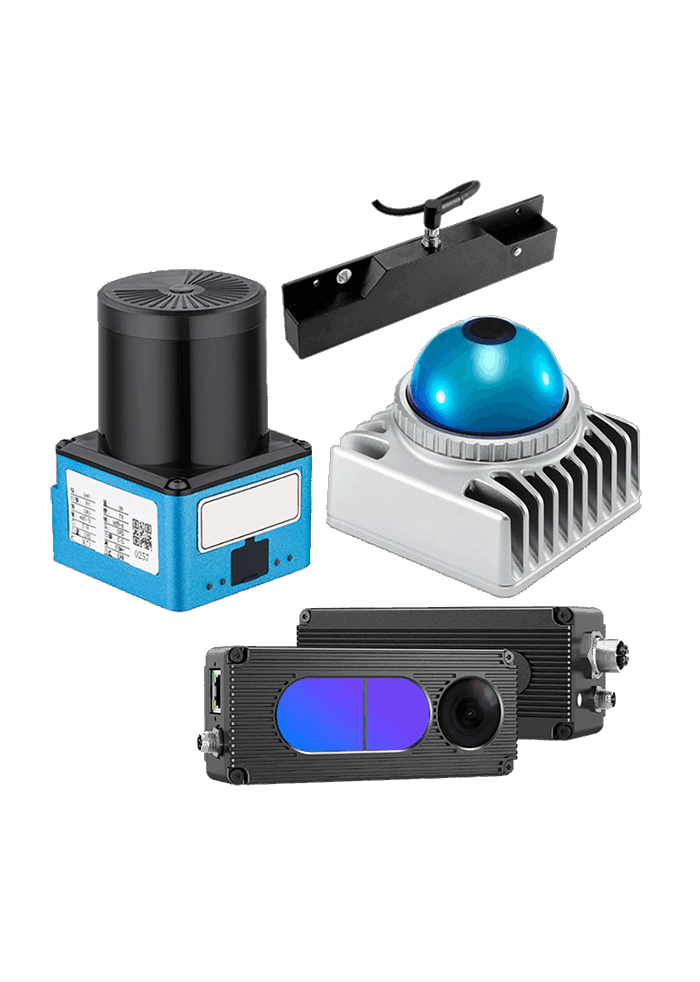
Unlike manual pallet jacks or semi-automated alternatives, AGV pallet trucks leverage advanced navigation technologies to operate safely and efficiently in dynamic environments. Common navigation methods include magnetic tape (for fixed, low-change paths), QR code markers (for structured layouts), and SLAM (Simultaneous Localization and Mapping)—a flexible, marker-free system that lets the truck map its surroundings in real time, adapting to layout shifts or new obstacles. The core function: pick up pallets, transport them along predefined or dynamic routes, and drop them off at designated locations, while syncing with central systems to update inventory data. For automation engineers, this means easy integration with existing control frameworks; for logistics managers, it reduces reliance on manual labor for repetitive, high-risk tasks.
Key Types of AGV Pallet Trucks
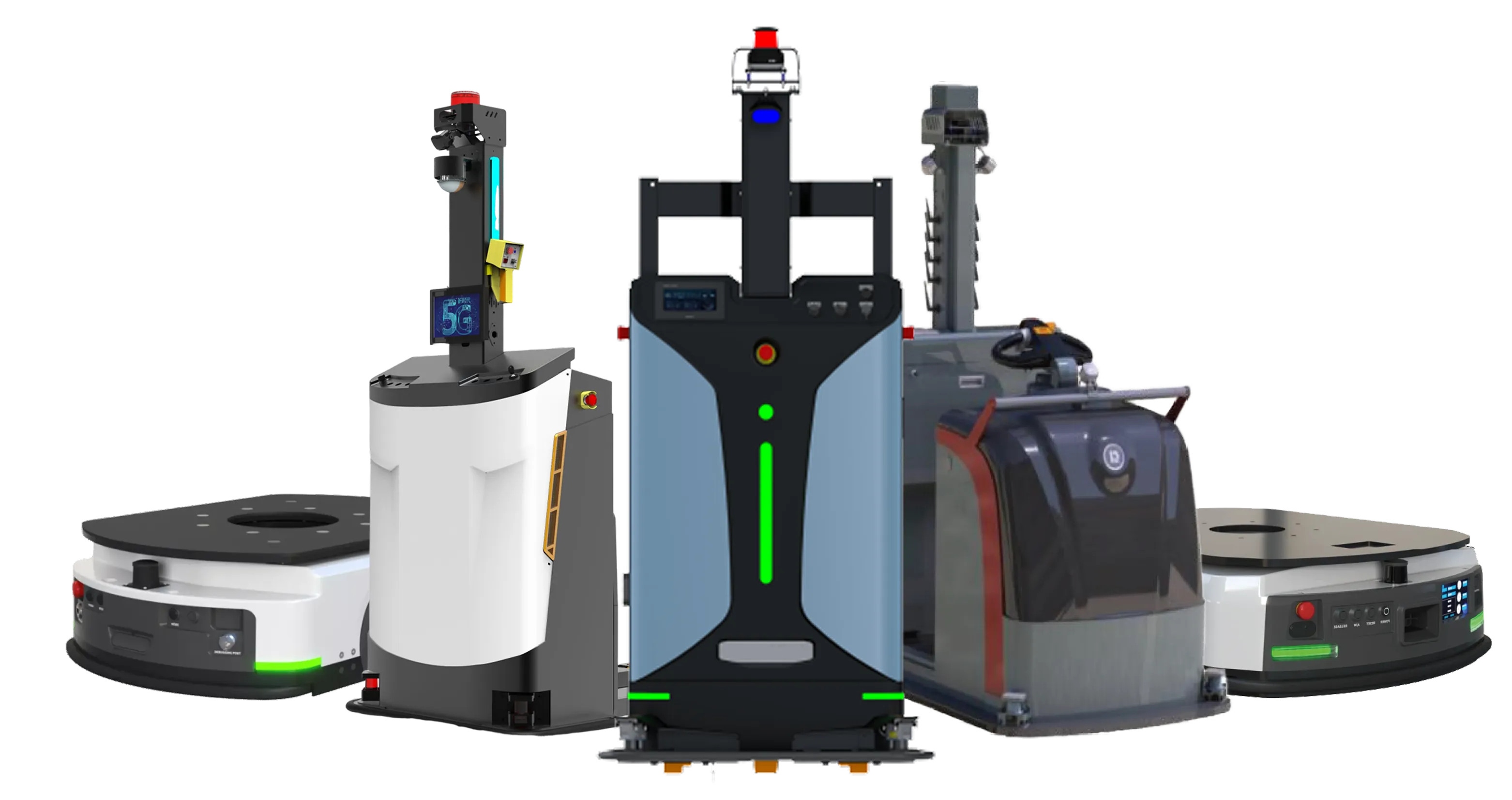
AGV pallet trucks are tailored to specific operational needs, with three primary models:
Unit Load AGV Pallet Trucks: The most common variant, built to carry standard pallets (EUR, GMA, etc.) with load capacities ranging from 1,000 kg to 3,000 kg, ideal for general warehouse transport.
Tugger AGV Pallet Trucks: Designed to tow multiple trailers or carts loaded with pallets, perfect for long-distance moves between production lines or storage zones, cutting down on redundant trips.
Counterbalance AGV Pallet Trucks: Feature a counterweight design to handle heavy or oversized pallets without relying on forks to reach under the pallet, making them suitable for bulk material handling in manufacturing settings.
Top Benefits for Factory & Logistics Operations
Deploying an AGV automated guided pallet truck delivers measurable ROI across critical areas:
24/7 Productivity: Operates non-stop without breaks, shifts, or fatigue, cutting transport time by up to 50% in busy warehouses.
Reduced Labor Costs: Replaces manual pallet transport tasks, freeing staff to focus on value-added work like order picking or quality control.
Enhanced Safety: Eliminates human errors (collisions, improper load handling) that cause workplace accidents, complying with global standards like ISO 3691-4.
Accurate Inventory Tracking: Real-time data sync with WMS/ERP systems reduces stock discrepancies by up to 90% by ensuring pallets are tracked correctly at every step.
Scalability: Add or adjust AGV units as your operations grow, with minimal downtime for reconfiguration.
How to Choose the Right AGV Pallet Truck
To select the optimal model for your operations, consider these factors:
Load Capacity: Match the truck’s maximum weight to your heaviest pallet loads (accounting for any additional equipment on the pallet).
Navigation Tech: SLAM-based models work best for dynamic warehouses with changing layouts; QR code models offer lower upfront costs for fixed, structured environments.
Integration Capability: Ensure the truck connects seamlessly with your existing WMS, ERP, or production control systems to avoid siloed data.
Aisle Width: Compact models are necessary for narrow aisles (common in small-to-mid-sized warehouses) to maximize space utilization.
Compliance: Verify the unit meets international safety standards (CE, OSHA) to avoid regulatory issues.
Real-World Application Example
A mid-sized automotive parts manufacturer in Germany struggled with manual pallet transport between storage and its assembly line. The process took 12 minutes per pallet, with frequent delays due to staff shortages. After deploying four SLAM-based AGV automated guided pallet trucks, the company cut transport time to 4 minutes per pallet, reduced labor costs for pallet moves by 75%, and eliminated 95% of transport-related errors. This improvement boosted production line uptime by 10%, directly increasing monthly output by 8%.
The AGV Automated Guided Pallet Truck is a strategic investment that streamlines workflows, reduces costs, and enhances efficiency. Whether you’re automating repetitive tasks or optimizing material handling, this technology offers flexible solutions tailored to your needs. If you are looking for a reliable AGV supplier from China, feel free to contact us for a customized solution.
FAQ
Q: What is the key difference between an AGV pallet truck and a standard automated pallet truck?
A: The primary difference lies in autonomy and navigation: AGV pallet trucks use advanced tech like SLAM or QR codes to operate without a human driver, adapting to environments dynamically, while standard automated pallet trucks often rely on fixed paths or require manual input for movement.
Q: Can AGV automated guided pallet trucks integrate with existing warehouse management systems (WMS)?
A: Yes, most modern AGV pallet trucks support seamless integration with leading WMS and ERP platforms via APIs, enabling real-time data sharing for inventory tracking, order coordination, and workflow optimization.
Q: How long does it take to deploy an AGV pallet truck in a typical warehouse?
A: Deployment time varies by warehouse size and customization, but SLAM-based AGV pallet trucks (most flexible for dynamic layouts) usually take 2-4 weeks, including navigation mapping, system setup, and basic staff training.




 Contact Us