


Cheap AGV for Small Business: Balancing Low Cost, Reliability, and Scalability on Limited Budgets
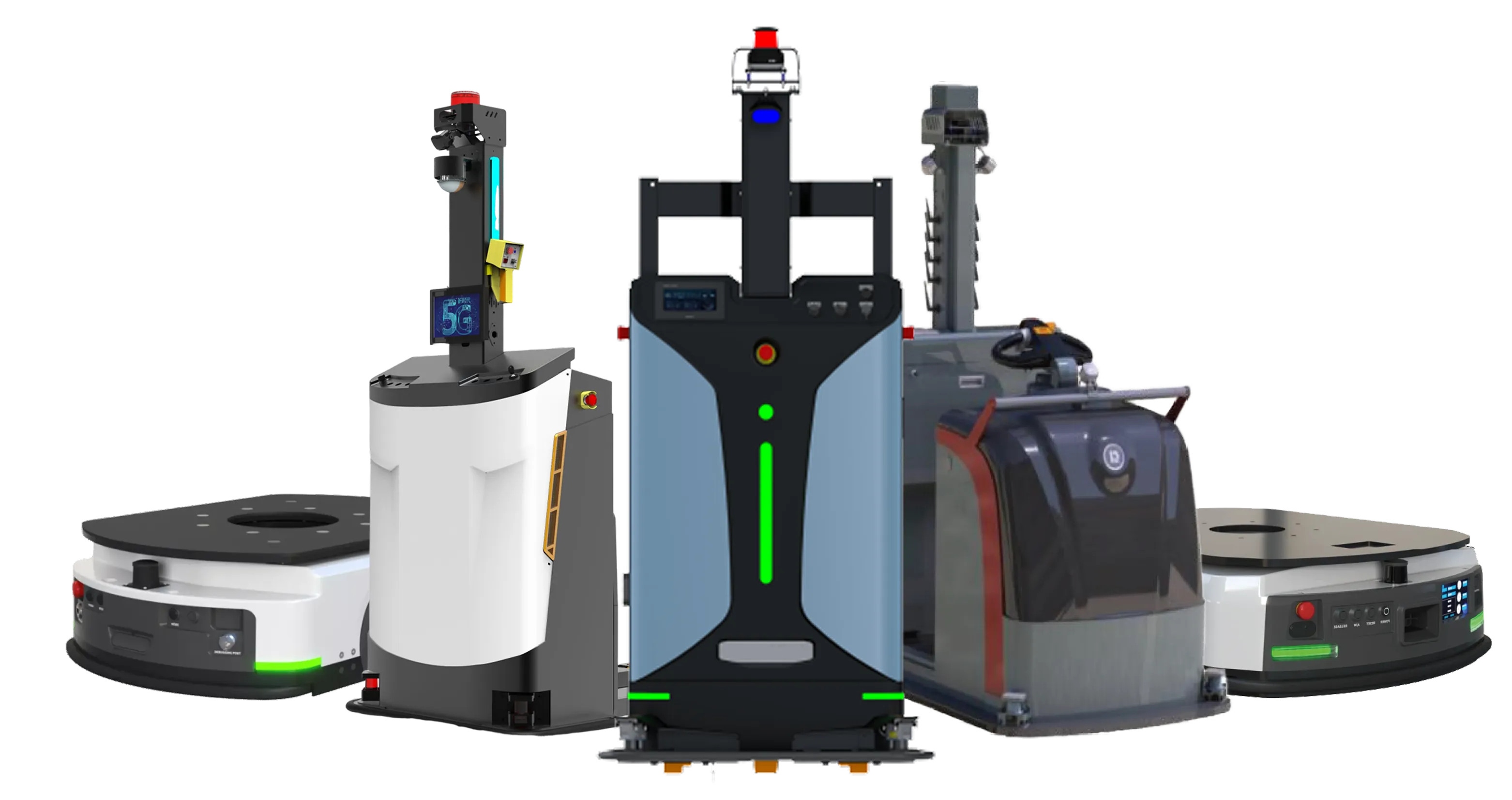
Small businesses in warehousing, e-commerce fulfillment, and light manufacturing can deploy cost-effective AGVs starting at $12,000, delivering 1-year return on investment for 2-shift operations. These entry-level automated guided vehicles are tailored for small-scale workflows, with compact footprints (30x20 inches) to fit narrow aisles (as small as 3 feet wide) and payload capacities from 500 to 1,000 lbs. They eliminate the need for expensive facility overhauls, making them accessible for businesses with limited capital and space.
What Payload Range Fits Small Business Operations?
For small businesses handling parts, parcels, or raw materials, 500 to 1,000 lbs is the sweet spot for entry-level AGVs. A 600-lb AGV, for example, can move 120 pallets of small parts daily, replacing two full-time material handlers earning $15 per hour. This payload range covers 85% of common small business logistics tasks, from order picking to line-side delivery. Overloading beyond the rated capacity strains the AGV’s drive system, increasing wear and shortening its lifespan by up to 20%.
Can Cheap AGVs Work Without Facility Overhaul?
Yes, most low-cost AGVs use magnetic tape or QR code navigation instead of expensive laser or SLAM systems. Magnetic tape installation takes 4 hours for a 5,000 sq ft warehouse, costing $300 in materials, no structural modifications required. QR code navigation adds flexibility, as codes can be repositioned in 10 minutes to adapt to workflow changes. Unlike AGVs for large enterprises, these entry models don’t need dedicated charging stations—they can plug into standard 110V outlets during breaks, cutting infrastructure costs by 70%.
What Maintenance Costs Should I Budget Annually?
Annual maintenance for entry-level AGVs averages $800 per unit, with most tasks being routine and DIY-friendly. This includes replacing magnetic tape every 18 months ($150), calibrating sensors every 6 months ($200), and lubricating drive wheels quarterly ($100). No specialized technician is needed for basic upkeep, reducing service fees. Unplanned repairs are rare—only 5% of units need part replacements in the first 2 years, costing an average of $500 per incident.
What’s the Typical Payback for a Small Business AGV?
Payback periods range from 12 to 18 months for 2-shift operations, based on labor savings. A small e-commerce business processing 500 orders daily spends $30,000 annually on material handlers; replacing one handler with an AGV ($12,000 upfront) saves $18,000 in year one, with full payback by month 16. For 1-shift operations, payback extends to 24 months, as fewer labor hours are replaced. Higher-volume businesses (1,000+ orders daily) can see payback in 10 months by replacing two handlers.
For project-specific requirements, consult your AGV supplier directly.
What’s the typical ROI timeline for a 1,000-lb payload AGV in a 2-shift small warehouse?
12 to 18 months, assuming $15 hourly labor savings per operator replaced and $12,000 average unit cost.
Can cheap AGVs integrate with existing small business inventory software like QuickBooks?
Yes, entry-level models support basic API integration, with setup taking 2 to 4 hours at no extra cost.
What’s the maximum continuous operating time for a cheap AGV on a single charge?
12 hours of continuous operation, with a 1-hour fast charge to power a 2-hour break, supporting full 2-shift workflows.




 Contact Us