


Laser SLAM Navigation AGVs: Eliminate Facility Modifications & Slash Deployment Time for Global Warehouse Operators
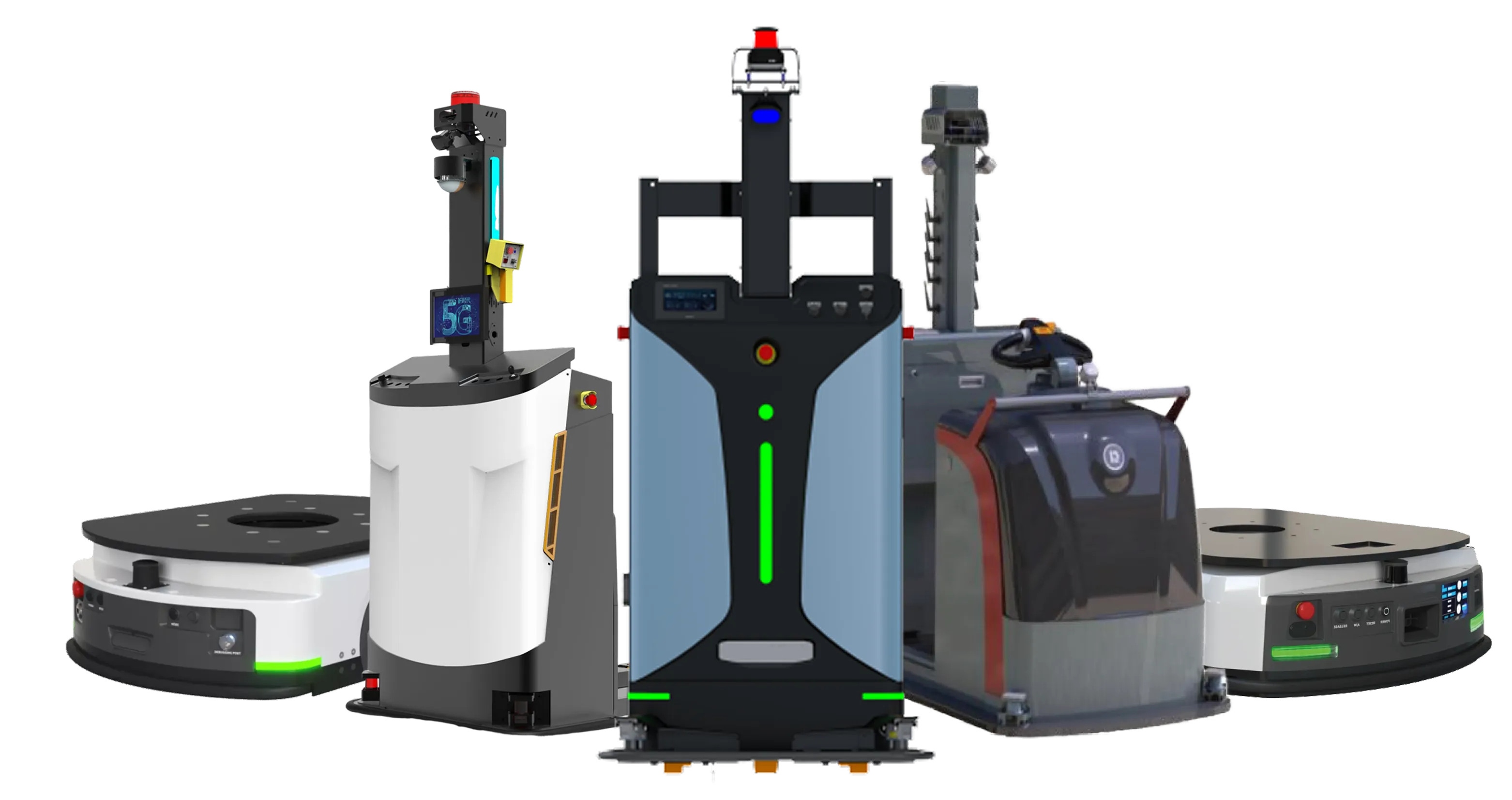
Laser SLAM navigation AGVs cut warehouse deployment time by 70% vs. magnetic tape or QR code models, with no need for floor markers, wires, or pre-mapped fixtures. These autonomous guided vehicles use LiDAR sensors to scan surrounding environments in real time, adjusting paths to avoid obstacles like pallets, forklifts, or temporary storage units. For 24/7 e-commerce fulfillment centers, this flexibility means they can adapt to layout changes without costly retrofits, boosting throughput by up to 25% in high-volume zones.
What’s the Typical Deployment Time for a Laser SLAM AGV Fleet?
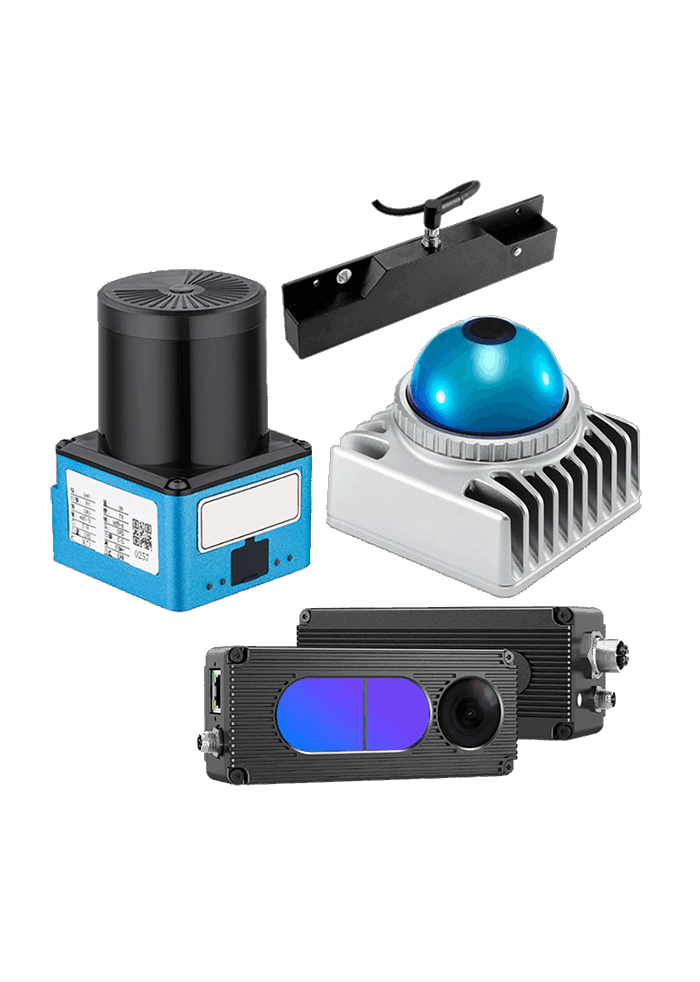
For a 10-AGV fleet handling 1-ton pallets in a 50,000 sq ft e-commerce warehouse, full deployment takes 3-5 days, compared to 2-3 weeks for QR code-based systems. Operators only need to input the warehouse’s basic floor plan, then let each AGV’s on-board LiDAR (20-meter detection range, 360-degree scan rate of 10 Hz) build a real-time map autonomously. A U.S.-based apparel fulfillment center deployed 12 such AGVs during 2023’s peak holiday season, avoiding 10 days of facility shutdown required for marker installation, and scaled operations to handle 30% more order volume without extra labor.What Load & Speed Specs Fit My Manufacturing Line?
Laser SLAM AGVs support payloads from 500 kg to 5 tons, with maximum travel speeds of 1.2 m/s (loaded) and 1.5 m/s (unloaded)—adjustable via cloud-based fleet management software to match line-specific pacing. For automotive assembly lines, a 2-ton AGV with a 1.1 m/s loaded speed works for transporting chassis parts between workstations, as it can navigate narrow 1.8-meter aisles without pre-placed guides. A German auto parts manufacturer deployed 8 such AGVs in 2022, reducing part transport delays by 40% and cutting manual material handling labor by 12 hours daily, reallocating staff to quality control roles.How Does Laser SLAM Perform in Cluttered Industrial Environments?
LiDAR sensors filter dynamic obstacles (like moving forklifts or human workers) within 1.5 meters, triggering automatic speed reduction or path re-routing to prevent collisions. In a food and beverage distribution center with stacked pallets, spill zones, and temporary loading ramps, laser SLAM AGVs maintained 98% on-time delivery rates over 6 months, compared to 82% for QR code AGVs that often missed faded or shifted markers. The system updates its map every 0.5 seconds, so it adapts to layout changes like new storage racks within 2 minutes of detection, no manual re-programming needed.For project-specific requirements, consult your AGV supplier directly.
What's the typical ROI timeline for a 2-ton laser SLAM AGV in a 3-shift e-commerce warehouse?
The ROI timeline ranges from 18 to 24 months, calculated from reduced manual labor (10-15 hours of daily labor per AGV) and lower downtime from unplanned layout adjustments.
Can laser SLAM AGVs operate in low-light or unlit industrial zones?
Yes, their LiDAR sensors use infrared light, so they deliver consistent performance in environments with 0 to 500 lux of ambient light, no additional lighting upgrades required.
What’s the maximum number of AGVs a single laser SLAM fleet management system can coordinate?
Most commercial fleet systems support up to 50 AGVs, with no measurable drop in collision avoidance or path optimization performance in shared operational spaces.




 Contact Us