


What Is An AGV Vehicle? Core Specs, Industrial Use Cases & ROI For Global Procurement
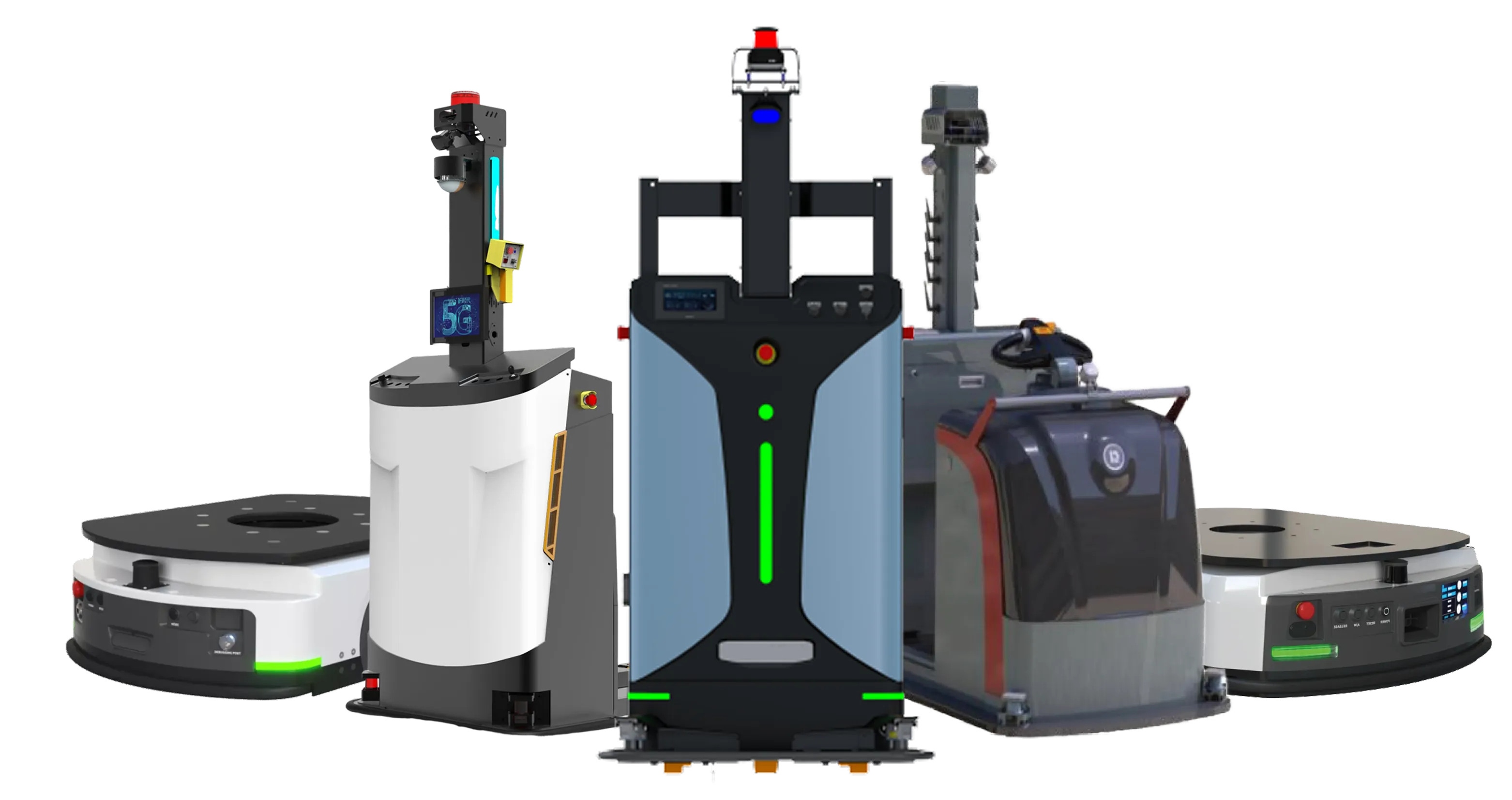
An AGV vehicle (Automated Guided Vehicle) is a self-driving material handling robot designed to transport heavy loads in industrial environments without human operators, eliminating manual labor risks and improving throughput. Unlike traditional forklifts, it follows pre-programmed or dynamically adjusted paths via built-in sensors, reducing human error in high-volume logistics workflows. It operates 24/7 in most cases, making it ideal for round-the-clock manufacturing and distribution centers.
How Does An AGV Vehicle Navigate Industrial Spaces?
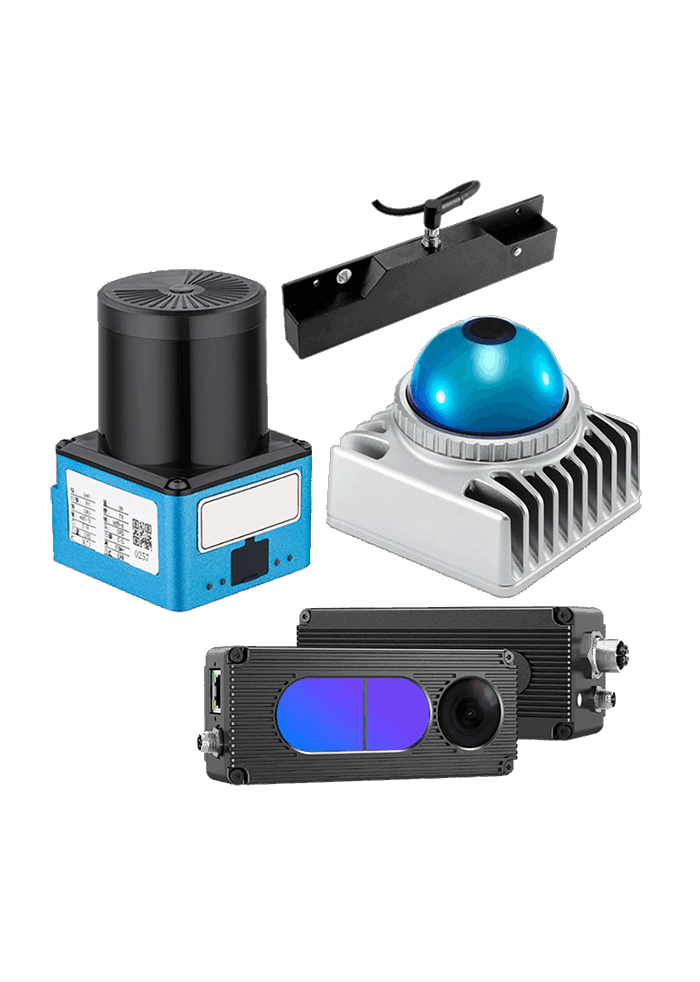
AGV navigation systems rely on three primary technologies tailored to facility layouts. Magnetic tape and QR code guidance work for fixed-path environments, requiring minimal upfront setup costs (under $500 for a 10,000 sq ft warehouse). SLAM (Simultaneous Localization and Mapping)-based AGVs use LiDAR and camera sensors to map spaces dynamically, adjusting paths in real-time when pallets or equipment are moved—no floor modifications like magnetic tape required. Wire-guided systems, though less common now, use embedded floor wires to follow paths, suitable for heavy-duty applications like steel coil transport.What Are The Standard Load Capacities For Common AGV Types?
AGVs are categorized by load capacity to match specific industrial needs. Unit-load AGVs, the most widely used, handle 100kg to 10 tons of palletized goods, with models like the 2-ton SLAM AGV being the top choice for automotive parts warehouses. Pallet AGVs, designed for standard EUR or GMA pallets, typically carry 500kg to 5 tons, with a 3-ton model able to move 120 pallets per 8-hour shift—60% more than a manual forklift operator. Heavy-duty AGVs, built for extreme loads, range from 10 tons to 50 tons, used in steel mills to transport raw coils and in ports to move shipping containers.In Which Industrial Scenarios Are AGVs Most Cost-Effective?
AGVs deliver the highest ROI in environments with repetitive material handling tasks. Automotive assembly lines use AGVs to move engine blocks, transmissions, and body panels between workstations, reducing material handling time by 40% as seen in a 2023 case study of Toyota’s Kentucky plant. E-commerce fulfillment centers deploy AGVs to transport bulk orders from storage to packing stations, cutting labor costs by an average of $115,000 annually for a 500,000 sq ft warehouse. Food and beverage facilities use AGVs to move fragile glass bottles and temperature-sensitive products, minimizing product damage by 25% compared to manual transport.What's the typical ROI timeline for a 2-ton SLAM AGV in a 3-shift e-commerce warehouse?
18 to 24 months, based on $120,000 in annual labor savings from replacing two full-time forklift operators and $75,000 in upfront costs including unit installation and sensor calibration.
Can mid-range AGV vehicles integrate with SAP EWM warehouse management systems?
Yes, most mid-tier AGVs support REST API integration with SAP EWM, reducing manual order sync time by up to 70% and eliminating data entry errors from handoff between systems.
What maintenance schedule is required for a 5-ton heavy-duty AGV operating in steel mills?
Weekly LiDAR sensor calibration, monthly battery terminal checks, and quarterly brake and load frame inspections, resulting in average downtime of less than 2 hours per month.
For project-specific requirements, consult your AGV supplier directly.




 Contact Us