
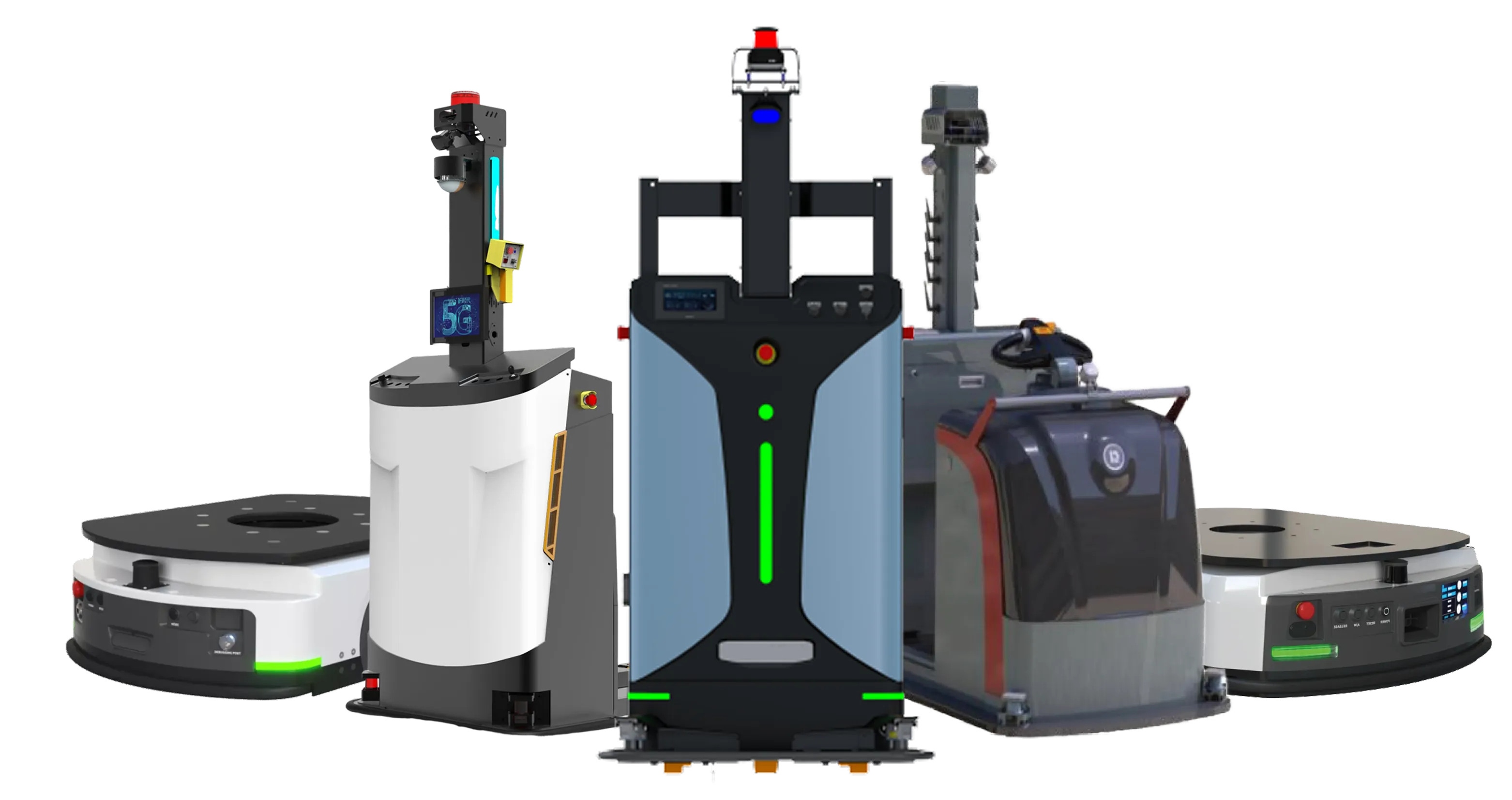


Used AGV for Sale: Pre-Owned Industrial Units That Cut Costs While Meeting Operational Needs
Used AGVs for sale from certified suppliers deliver 30-50% lower upfront costs than new models, with 12 to 24 months of consistent operational life for most well-maintained units. This makes them a viable alternative for small to mid-sized warehouses, automotive parts distribution centers, and e-commerce order fulfillment operations. A 2-ton used AGV, for example, can replace two manual material handlers, cutting annual labor costs by $18,000 to $25,000 per unit.
Many used AGVs come from lease returns or overstock inventory, so their wear is minimal. Automotive manufacturers often upgrade their AGV fleets every 3 to 5 years, so pre-owned models still have plenty of useful life left. One mid-sized auto parts plant in Michigan switched to 8 used 5-ton AGVs in 2022, saving $96,000 in upfront costs compared to new units, while maintaining the same load transport efficiency.
What Load Capacities Are Standard For Used AGVs?
Common load capacities for used AGVs range from 1 ton to 15 tons, with the most popular being 2 tons, 5 tons, and 10 tons. 2-ton units handle light to medium loads like electronic components or small parcel bins, while 5-ton models suit automotive chassis or palletized goods. 10-ton units are used for heavy metal parts or large equipment in manufacturing facilities.
Each load capacity is paired with specific navigation and speed settings. For example, a 2-ton AGV typically operates at 1.2 meters per second, ideal for tight warehouse aisles, while a 10-ton unit runs at 0.8 meters per second to ensure stability during heavy transport.
What Navigation Systems Are Most Reliable For Used AGVs?
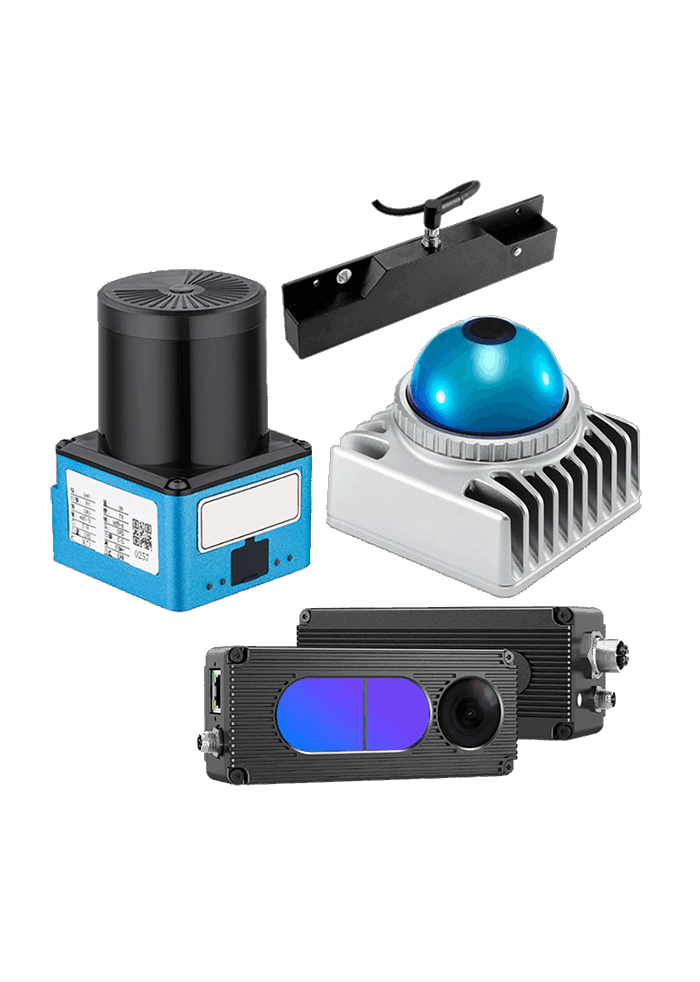
Magnetic tape and QR code navigation are the most common systems in used AGVs, as they are low-cost and easy to maintain. Magnetic tape requires path marking on the floor, suitable for fixed routes, while QR code navigation works for flexible paths that can be re-programmed quickly. Laser SLAM navigation is also available in higher-end used units, offering no physical path markers, which is ideal for dynamic warehouse layouts.
A food processing plant in Texas used a 10-ton used laser SLAM AGV to transport raw ingredients between production lines, eliminating the need to install fixed paths and saving $4,000 on layout modifications.
How To Verify Used AGV Condition Before Purchase?
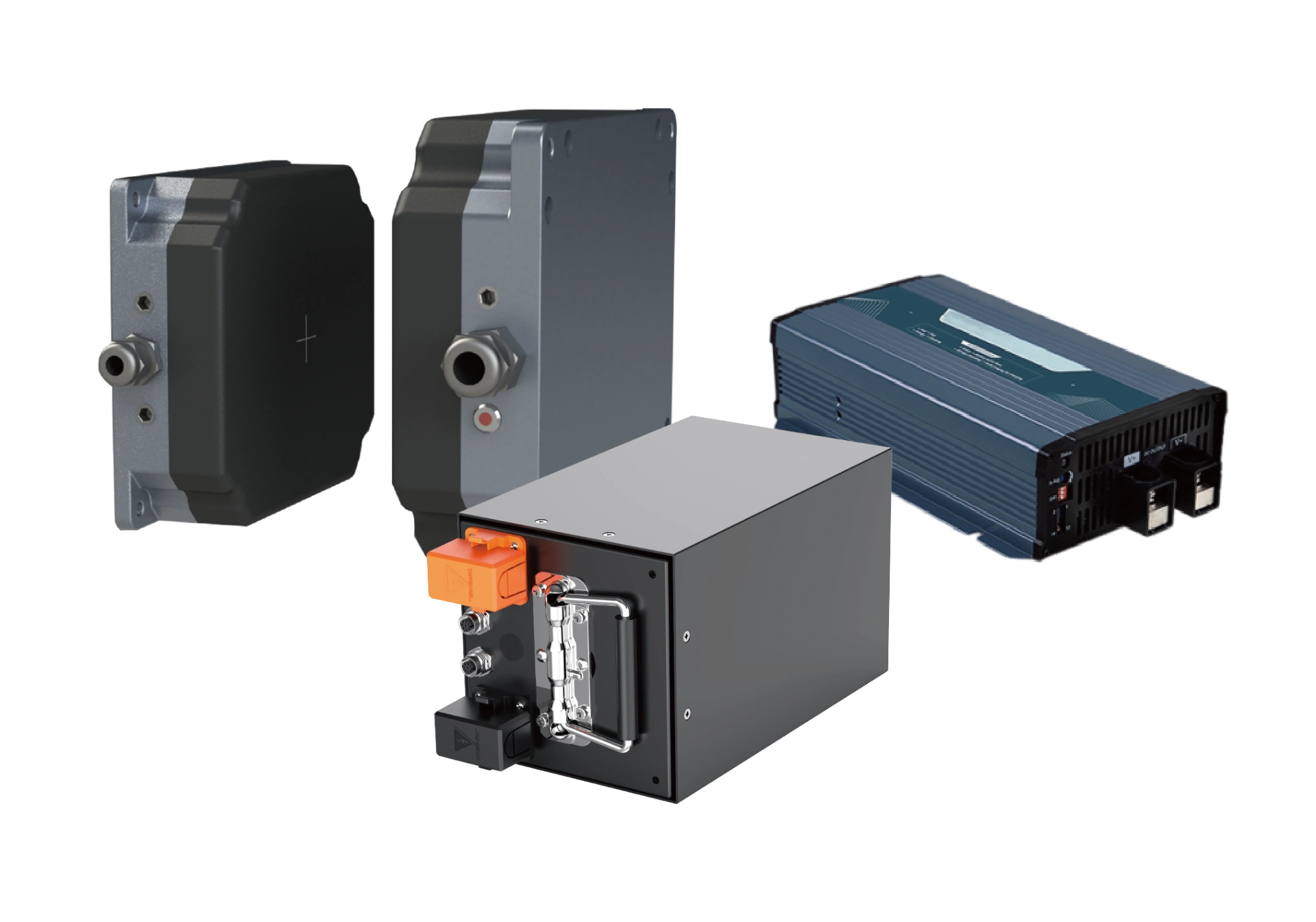
Buyers should request maintenance records and run a test operation for at least 4 hours to check performance. Key metrics to verify include positioning accuracy (should be within ±10mm), battery runtime (at least 8 hours for a full charge), and safety features like emergency stop buttons and obstacle detection sensors. Certified suppliers often offer a 30-day trial period to confirm the unit meets operational needs.
ISO 3691-4 safety certification is a must for used AGVs, as it ensures compliance with global industrial safety standards. Most pre-owned units retain this certification, but re-certification is available for an additional $500 to $1,500 if needed.
For project-specific requirements, consult your AGV supplier directly.
What's the typical ROI timeline for a 2-ton used AGV in a 3-shift warehouse?
12 to 18 months, based on reduced labor costs and eliminated manual handling errors.
Do used AGVs come with valid safety certifications?
Most certified pre-owned units retain ISO 3691-4 safety certification, with optional re-certification available for $500-$1,500.
Can used AGVs be adjusted to fit existing warehouse layouts?
Minor adjustments like path re-programming or sensor calibration cost $1,000-$3,000; major modifications are rarely feasible for budget-focused buyers.




 Contact Us