
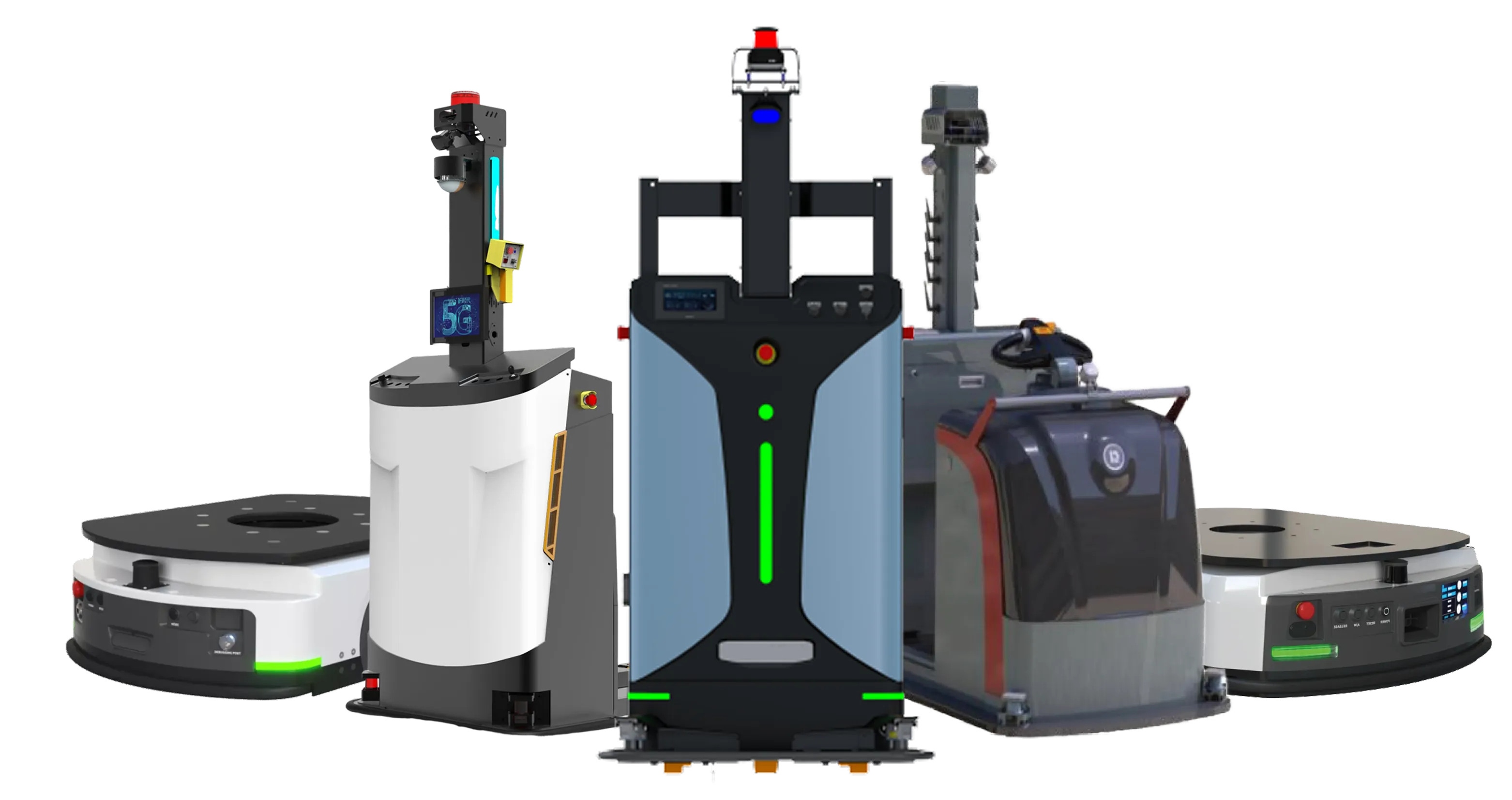


Standard industrial AGVs range from $15,000 to $150,000, with specialized high-load or custom-configured models exceeding $300,000. The final price depends on four primary factors: load capacity, navigation system, payload customization, and integration complexity. Smaller, low-load AGVs for light assembly lines sit at the lower end, while heavy-duty, multi-vehicle fleets for port operations fall at the upper end.
What Load Capacity and Size Impact AGV Cost?
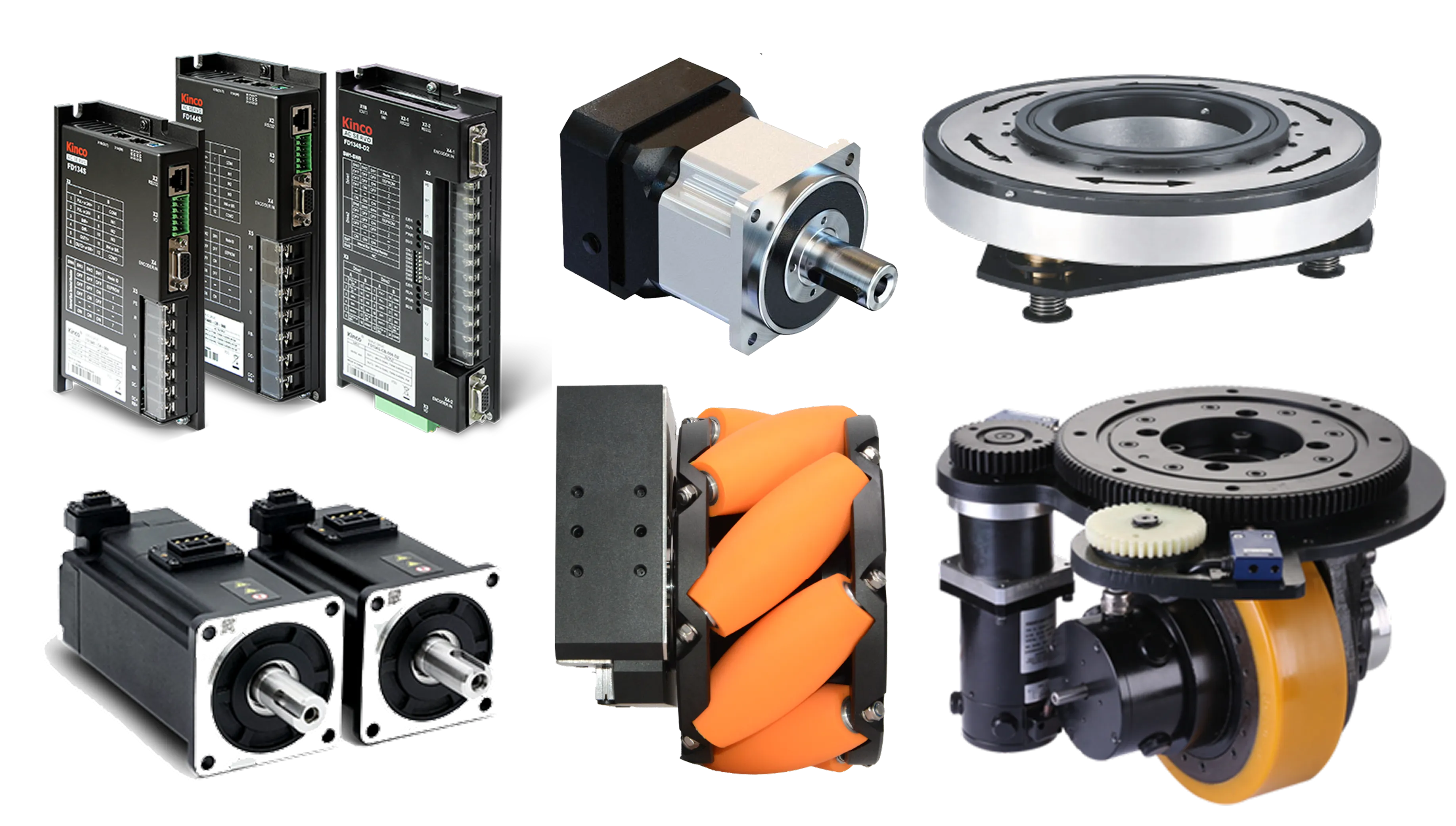
AGV load capacity directly correlates to raw material and component costs. A 500kg unit with magnetic tape navigation costs ~$18,000, while a 2-ton laser-guided AGV for heavy warehouse pallets averages $45,000. Extra structural reinforcement for 5-ton or higher payloads adds 30-50% to the base price, as steel frames and heavy-duty motors require specialized engineering. Compact AGVs under 1m in length, designed for narrow aisles, cost 10-15% less than standard-sized units.
How Does Navigation Technology Change AGV Pricing?
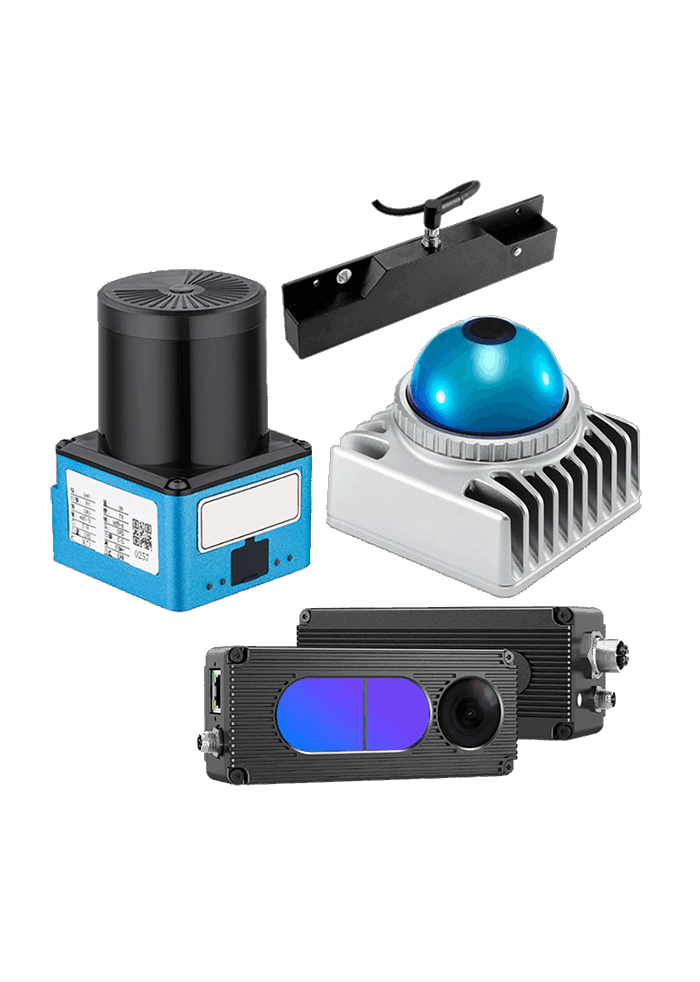
Navigation systems account for 25-40% of total AGV cost. Magnetic tape or QR code-guided AGVs, ideal for fixed-path operations, start at $15,000. Laser SLAM or vision-based AGVs, which adapt to dynamic environments, cost $35,000 to $80,000. Laser SLAM models eliminate the need for floor modifications, reducing long-term setup costs by 20% compared to tape-guided systems.
What Integration and Customization Add to AGV Expenses?
Fleet management software, safety sensors, and system integration with existing WMS (Warehouse Management Systems) increase total costs. A single AGV without integration is ~$2,000 cheaper than one pre-configured to connect with your facility’s ERP. Custom features like dust-proof enclosures for food processing or explosion-proof parts for chemical plants add 15-25% to the base price. Additional safety scanners for pedestrian detection add $1,500 to $3,000 per unit.
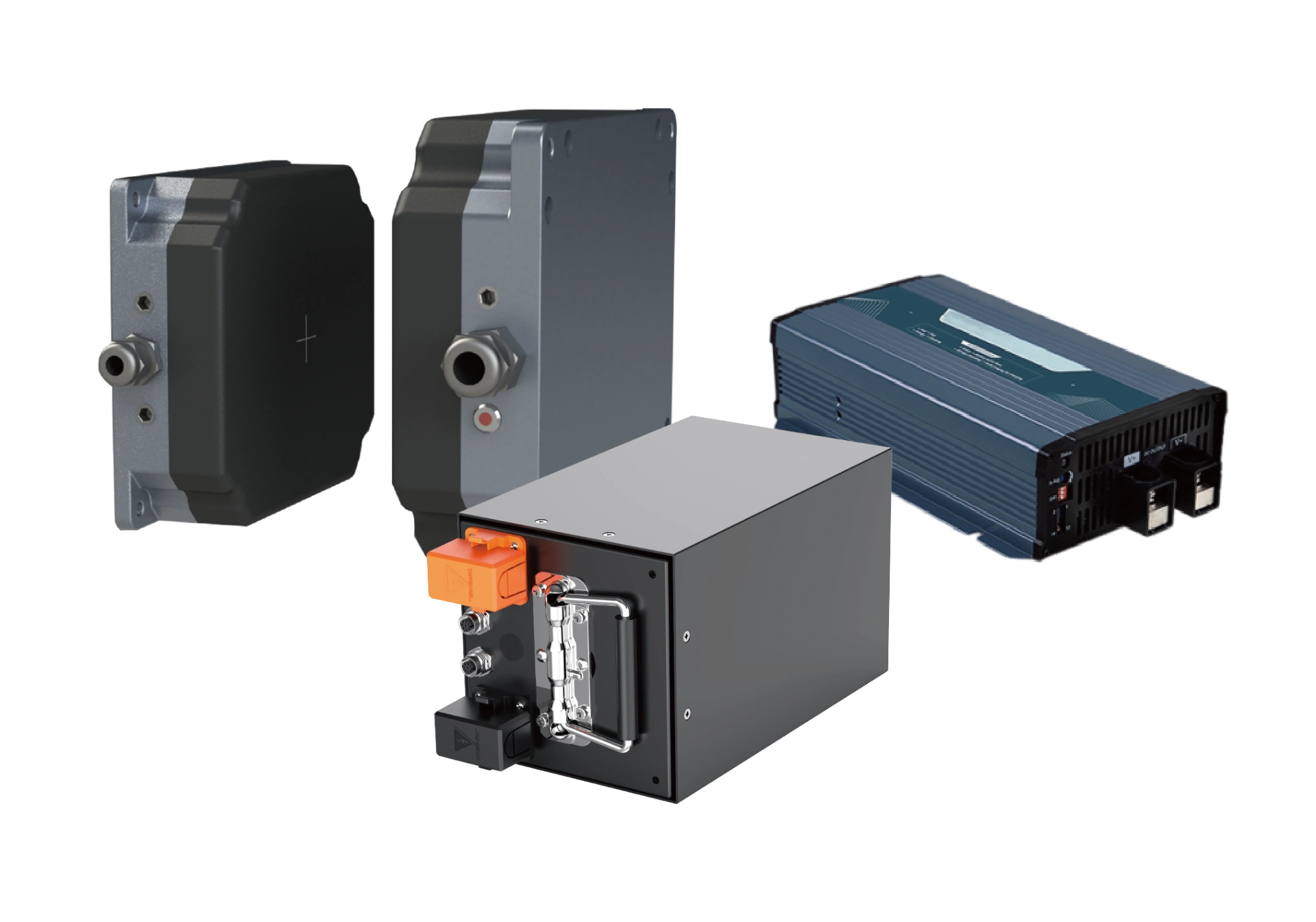
Long-term operational costs, including maintenance and battery replacement, should also factor into decisions. Lithium-ion batteries for AGVs cost ~$5,000 and last 5-7 years, while lead-acid batteries need replacement every 2-3 years. For project-specific requirements, consult your AGV supplier directly.
What's the typical ROI timeline for a 2-ton laser-guided AGV in a 3-shift warehouse?
ROI for a 2-ton AGV in a 3-shift warehouse is 18 to 24 months, based on labor savings of 2-3 full-time material handlers per vehicle and reduced downtime from automated operations.
How much does a compact AGV for light assembly lines (100kg load) cost?
A compact 100kg AGV with magnetic tape navigation for assembly lines costs between $12,000 and $16,000, including basic safety sensors.
What's the price premium for a custom explosion-proof AGV for chemical manufacturing?
Custom explosion-proof AGVs for chemical plants have a 40-60% price premium over standard models of the same load capacity, due to specialized materials and compliance certifications.




 Contact Us